
Introduction: The Emergence of Esports
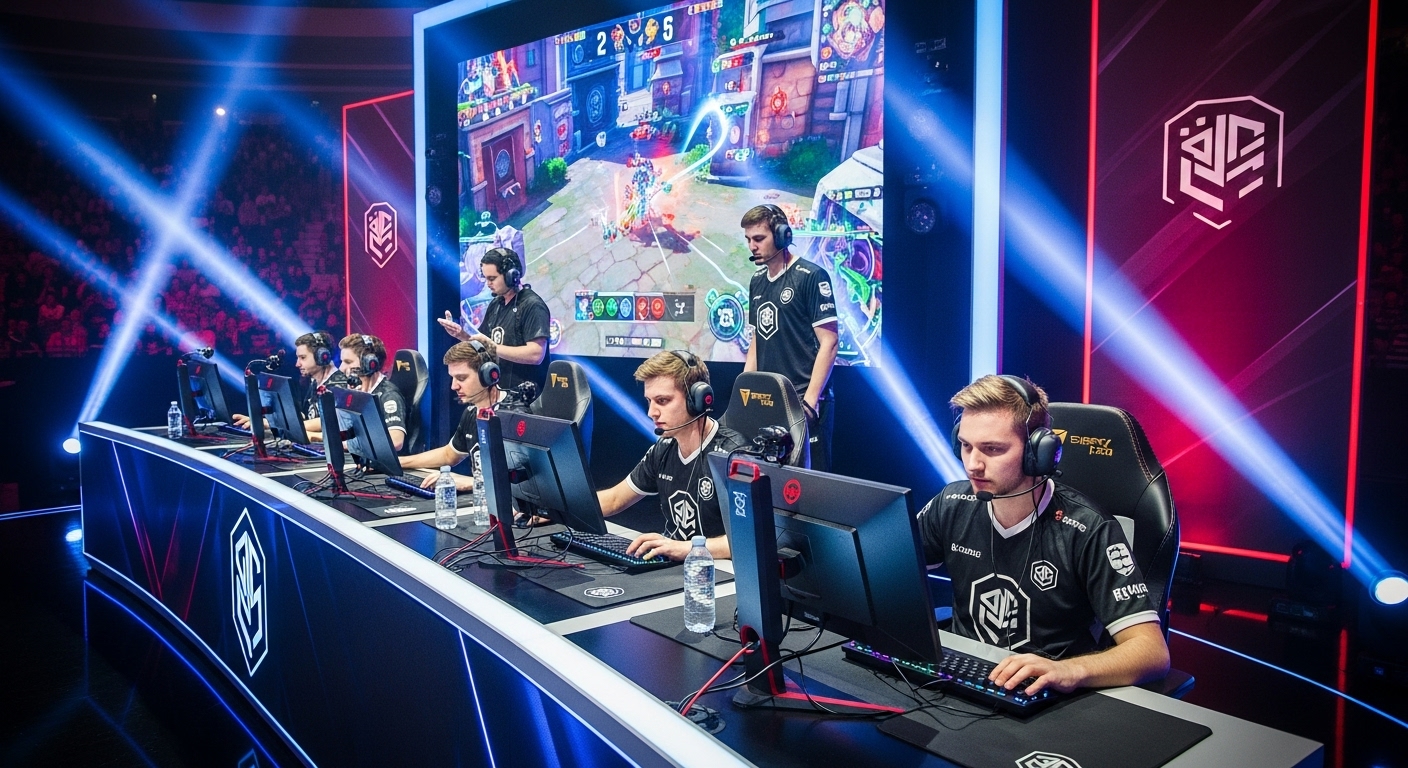
Esports, or competitive gaming, has transformed from a niche hobby into a global phenomenon that captivates millions of fans worldwide. What once began as casual video game competitions among friends has evolved into a multi-billion-dollar industry with professional teams, global tournaments, and dedicated fanbases. Esports is not just about playing video games; it is a serious profession that demands strategy, skill, teamwork, and discipline. Its rise reflects broader trends in technology, entertainment, and sports, merging digital innovation with human competition in ways that were unimaginable two decades ago.
The History of Esports: From Arcade Tournaments to Global Competitions
The origins of esports trace back to the 1970s and 1980s when early video game competitions began in arcades and universities. Classic games like Pong and Space Invaders laid the foundation for organized tournaments. In the 1990s, games like Street Fighter, StarCraft, and Counter-Strike popularized competitive gaming, especially in Asia and North America. The emergence of online gaming in the 2000s allowed players from different countries to compete virtually, leading to larger audiences and more professionalized events. Today, esports tournaments fill stadiums and attract millions of viewers online, rivaling traditional sports in scale and excitement.
Popular Esports Games and Their Impact
Esports covers a wide variety of game genres, each with dedicated communities and professional leagues. Multiplayer online battle arena games like League of Legends and Dota 2 are celebrated for their strategic depth and teamwork. First-person shooters such as Counter-Strike: Global Offensive and Call of Duty emphasize reflexes, precision, and tactical coordination. Sports simulation games like FIFA and NBA 2K replicate real-world athletic competition, appealing to fans of traditional sports. Each game creates its ecosystem of players, coaches, and fans, showing that esports is diverse, inclusive, and capable of attracting a wide demographic of players and viewers.
The Professional Esports Ecosystem
The professional esports ecosystem mirrors traditional sports, with teams, managers, coaches, sponsors, and training programs. Professional players dedicate hours each day to practice, strategy, and physical and mental conditioning. Just like athletes, esports professionals face pressure to perform, maintain consistency, and adapt to new challenges. Organizations invest in talent development, analytics, and coaching to maximize team performance. Sponsorships, merchandise, and media rights generate significant revenue, establishing esports as a legitimate career path for talented individuals. The growth of professional leagues demonstrates that esports is no longer a pastime but a fully-fledged industry with global influence.
Esports Tournaments: The Stage for Global Competition
Esports tournaments are central to the industry, offering players a platform to showcase their skills and fans an opportunity to engage with their favorite teams. Events like The International for Dota 2, the League of Legends World Championship, and the Fortnite World Cup attract millions of viewers worldwide. These tournaments are broadcast live on streaming platforms, with professional commentary, analysis, and interactive fan experiences. Prize pools have grown exponentially, sometimes reaching tens of millions of dollars, reflecting the scale and popularity of competitive gaming. Tournaments also foster international cooperation, as players from different countries compete on a shared stage, strengthening the sense of a global esports community.
Streaming Platforms and Fan Engagement
Streaming platforms like Twitch, YouTube Gaming, and Facebook Gaming have revolutionized how fans consume esports content. Viewers can watch live matches, interact with players, and follow gaming personalities in real-time. Streamers often cultivate loyal communities, offering commentary, tips, and behind-the-scenes insights into the competitive world. This accessibility has allowed esports to grow beyond physical events, reaching audiences who cannot attend tournaments in person. The combination of live action, community interaction, and instant accessibility has created a unique fan culture that sets esports apart from traditional sports.
Training and Mental Preparation in Esports
Esports is as much a mental challenge as it is a test of reflexes. Professional players engage in rigorous training, including strategy sessions, practice matches, and reaction drills. Mental conditioning, focus exercises, and stress management are essential, as high-stakes competitions demand peak performance under pressure. Physical fitness also plays a role, as endurance, posture, and reflexes are critical for prolonged gaming sessions. This holistic approach to training demonstrates that esports requires discipline and dedication, similar to traditional athletic pursuits.
The Business of Esports
The esports industry has grown into a multi-billion-dollar enterprise, attracting investments from sponsors, media companies, and technology firms. Advertising, merchandise sales, tournament ticketing, and media rights contribute to revenue streams. Major brands now see esports as a powerful marketing tool to reach younger, tech-savvy audiences. Companies sponsor teams, organize events, and collaborate with content creators to engage fans. This commercialization has professionalized the industry, providing financial stability for players and organizations while fueling the growth of competitive gaming worldwide.
Esports and Education
Esports has also found its place in education, with universities and colleges offering scholarships and academic programs related to competitive gaming. Schools are incorporating esports into student activities, providing opportunities for teamwork, leadership, and digital literacy. Academic research explores the cognitive, social, and economic impacts of esports, highlighting its potential to develop valuable skills. By bridging entertainment and education, esports offers young people an avenue to pursue both academic and professional aspirations in the gaming industry.
Esports and Social Connectivity
Esports fosters social connectivity, creating communities where players and fans share experiences and knowledge. Online forums, streaming chats, and fan groups allow people to interact across borders, cultivating friendships and collaborations. Esports also promotes inclusivity, offering a platform for individuals from diverse backgrounds to compete and connect. The sense of belonging and shared passion for gaming strengthens bonds between participants, making esports a powerful medium for social interaction and community building.
Challenges Facing the Esports Industry
Despite its rapid growth, esports faces several challenges. The industry struggles with issues such as burnout, mental health pressures, and over-scheduling for professional players. Ensuring fair play and preventing cheating is another ongoing concern, as technological advancements make exploits easier. Additionally, the lack of standardized regulations across countries can complicate tournaments and player contracts. Monetization and sustainability remain critical, as smaller teams and events must navigate funding challenges. Addressing these issues is essential to maintain the credibility, safety, and growth of the esports ecosystem.
Esports and Global Recognition
Esports is gradually gaining recognition as a legitimate sport, with governments and organizations acknowledging its competitive and professional aspects. International bodies are exploring esports inclusion in multi-sport events, while some countries classify esports players as professional athletes. This recognition validates the dedication and skill required for competitive gaming and encourages further investment in infrastructure, training, and tournaments. Global acknowledgment also helps challenge stereotypes, showing that esports is more than casual gaming—it is a serious, skill-driven pursuit with global impact.
The Role of Technology in Esports Growth
Technology drives every aspect of esports, from game development to live streaming and analytics. High-performance gaming hardware, advanced software, and powerful internet connectivity enable professional competition and immersive experiences. Data analytics help teams optimize strategies, track performance, and adapt to opponents. Virtual reality and augmented reality promise new forms of gameplay and spectator engagement. Technology not only supports esports infrastructure but also continuously pushes the boundaries of how players and fans interact with competitive gaming.
Esports as a Cultural Phenomenon
Esports has transcended its roots to become a cultural phenomenon. It influences fashion, music, and entertainment, with gaming references appearing in popular media and mainstream culture. Esports personalities are celebrated like traditional athletes or celebrities, with fan followings that rival movie stars. Competitive gaming events create shared experiences that unite global audiences. The culture of esports emphasizes creativity, strategy, and entertainment, making it a unique form of modern cultural expression.
The Future of Esports
The future of esports looks bright, with continued growth in audiences, technology, and professional opportunities. Virtual and augmented reality, artificial intelligence, and 5G connectivity will enhance gameplay and viewer experiences. Expansion into new regions, inclusion in educational programs, and broader social acceptance will strengthen the industry. Esports will continue to blur the lines between gaming, entertainment, and sports, creating innovative ways for people to engage with digital culture. The possibilities are limitless, driven by technology, creativity, and the global passion for competitive gaming.
Conclusion: Esports as a Game-Changer
Esports has evolved from a hobby to a global industry that entertains, connects, and inspires millions. It combines technology, strategy, skill, and community in ways that redefine competition. Professional players dedicate years to mastery, while fans engage through streaming, tournaments, and online communities. The industry faces challenges, but its growth, recognition, and influence show that esports is here to stay. As technology continues to advance and global interest rises, esports will play an increasingly significant role in entertainment, culture, and professional sports. Competitive gaming is no longer just a game—it is a movement shaping the modern digital world.