
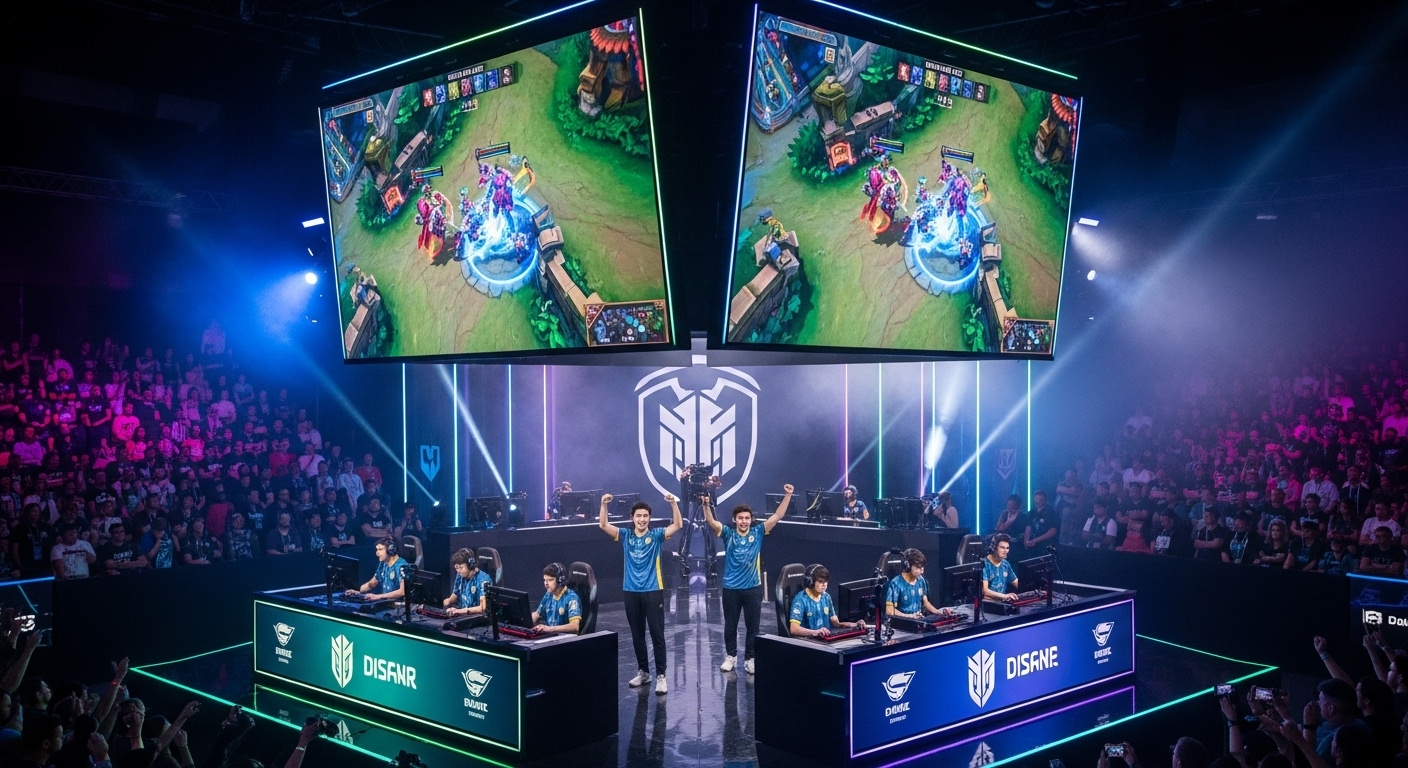
In the past few decades, esports has undergone a remarkable transformation, evolving from niche online competitions to a global entertainment powerhouse. What was once a pastime for hobbyists and gaming enthusiasts has now become a multimillion-dollar industry, captivating millions of players, fans, and sponsors worldwide. Esports has not only redefined the world of gaming but also the way we think about competition, entertainment, and even professional careers. This blog post explores the rise of esports, its impact on global culture, and what the future holds for competitive gaming.
The Early Beginnings: From Local Competitions to Global Phenomenon
Esports didn’t suddenly appear overnight. Its origins can be traced back to the early days of video gaming, particularly in the 1990s, when multiplayer games began to gain traction. The concept of competitive gaming was not new, but the way games like “Doom” and “Quake” brought together players from different locations via local area networks (LAN) helped set the stage for larger tournaments. In the early days, esports was a relatively underground activity. Competitions were often small, community-run events with modest prize pools. However, as the internet grew in accessibility and multiplayer games like “StarCraft” and “Warcraft” entered the mainstream, the foundation for professional esports began to take shape.
As gaming communities and forums online grew, so did the idea of competitive gaming. Early tournaments were often broadcasted on niche channels and were largely enjoyed by a small, dedicated audience. The introduction of platforms like Twitch and YouTube in the late 2000s changed everything, offering real-time streaming capabilities that allowed fans to watch live gameplay and tournaments from anywhere in the world. This marked a significant shift in the esports landscape, allowing it to reach a global audience.
The Explosion of Popular Esports Games
As esports began to gain traction, certain games emerged as the undisputed leaders of the competitive scene. Multiplayer Online Battle Arena (MOBA) games such as “League of Legends” and “Dota 2” became staples of the esports ecosystem, thanks to their deep strategy, team-based gameplay, and high skill ceilings. Similarly, first-person shooters (FPS) like “Counter-Strike” and “Call of Duty” offered fast-paced action that appealed to competitive players and audiences alike.
These games were designed to be competitive by nature, and their developers, such as Riot Games (League of Legends) and Valve (Dota 2, Counter-Strike), nurtured the competitive scene through regular updates, robust online infrastructure, and dedicated esports leagues. The rise of these games also coincided with the growth of streaming platforms like Twitch, where players and fans could interact directly.
What made these games particularly attractive to the esports community was their ability to offer competitive integrity alongside entertainment. While some games had small, local competitions, these titles introduced professional leagues, international tournaments, and sponsorships. The introduction of prize pools worth millions of dollars for tournaments like “The International” (Dota 2) and the “League of Legends World Championship” further cemented esports as a professional industry.
The Birth of Esports Organizations and Teams
With the increasing popularity of competitive gaming, the need for professional esports organizations and teams became apparent. These organizations operated much like traditional sports teams, recruiting skilled players, hiring coaches, analysts, and managers, and establishing sponsorships with major brands. The rise of esports organizations, such as Cloud9, Fnatic, Team Liquid, and T1, mirrored the growth of major sports franchises and showcased the seriousness with which the industry was being taken.
These teams, composed of elite players, not only competed in local tournaments but also represented their respective organizations at international events. The success of these teams was often backed by massive sponsorship deals with companies in the tech, energy drink, and gaming hardware industries. Just as athletes in traditional sports sign multimillion-dollar contracts, esports players began to see financial rewards for their talent and dedication, with some top-tier players earning substantial salaries and tournament winnings.
The role of coaches and analysts also became increasingly important. Just as in any professional sports team, esports organizations realized that success didn’t rely solely on the players’ abilities but also on strategic analysis, preparation, and team dynamics. This professionalization helped esports gain legitimacy as a serious career path.
The Cultural Impact of Esports
One of the most fascinating aspects of esports is its cultural impact. Esports has cultivated a global community, bringing together people from all walks of life who share a passion for gaming and competition. Online platforms, such as Twitch and Discord, have created spaces where fans can interact with their favorite players, watch live streams, and discuss strategies or game-related news.
The social aspect of esports is a huge part of its appeal. It is not just about watching professional tournaments or cheering for favorite teams; it is about being part of a community. Fans engage with each other on social media platforms, create fan art, and participate in discussions surrounding their favorite games. Esports events like the League of Legends World Championship and The International attract millions of viewers globally, making these events some of the most-watched broadcasts worldwide. These events have transformed gaming from a solitary activity into a communal one, with fans gathering online and in-person to watch the action unfold.
Esports has also made its way into the mainstream, with traditional media outlets covering major tournaments, and even television networks broadcasting live events. Celebrity athletes and global brands are now associating themselves with esports, which has further legitimized its cultural significance. Esports has gone from being a niche interest to a worldwide entertainment phenomenon, appealing to a younger, digitally-savvy audience who sees competitive gaming as a legitimate career path.
The Growth of Esports Education and Careers
As esports becomes a more recognized industry, educational institutions have started to integrate it into their curricula. Universities across the globe now offer esports management programs, scholarships, and dedicated teams that compete at collegiate levels. Many institutions view esports as a potential gateway to professional careers for students who are passionate about gaming.
Colleges and universities have begun building esports arenas, hosting local tournaments, and establishing academic programs that teach everything from game development to event management. These programs not only provide a pathway for future esports professionals but also help students build valuable skills in business, marketing, and production.
In terms of career opportunities, esports has generated a wide range of roles beyond the player position. Commentators and analysts play a crucial role in explaining the action and offering insights during live broadcasts, while video editors and content creators help bring esports content to the masses. The marketing, event management, and sponsorship sectors of esports are also thriving, with many companies looking for skilled professionals to help organize tournaments and manage fan engagement.
Challenges Facing the Esports Industry
Despite its rapid growth, esports is not without its challenges. One major issue is the health and well-being of players, particularly the mental and physical toll that long hours of practice and competition can take. Like traditional athletes, esports players face pressure, burnout, and the need for regular breaks to avoid injury or stress.
Another challenge is the issue of regulation and governance. As the industry continues to grow, questions about fair play, cheating, match-fixing, and player contracts must be addressed. Establishing clear guidelines, protecting players’ rights, and ensuring transparency will be key to the long-term sustainability of the esports ecosystem.
Furthermore, as esports has evolved into a multimillion-dollar industry, balancing commercial interests with the integrity of the competition has become increasingly complex. Sponsorship deals, media rights, and merchandise sales play a vital role in funding tournaments and organizations, but they also raise concerns about the influence of money on the sport.
The Future of Esports
The future of esports looks incredibly bright. New technologies, such as virtual reality (VR) and augmented reality (AR), are poised to change the way competitive gaming is experienced, both for players and fans. VR headsets will allow players to engage in even more immersive experiences, while AR could bring esports into new realms of interaction.
The global expansion of esports will continue, with more international tournaments, cross-border collaborations, and increasing access to digital platforms. The industry will also continue to professionalize, with better support systems for players and more opportunities for growth within the esports community.
As esports continues to evolve, it will undoubtedly continue to shape the future of gaming, entertainment, and sports in ways that we can only begin to imagine.
Conclusion: Esports—A New Era of Competitive Entertainment
Esports has become far more than a hobby or niche interest; it is now a global cultural and professional phenomenon that is reshaping entertainment. With millions of fans, vast financial investments, and professional careers at stake, competitive gaming is poised to remain at the forefront of digital culture. As the industry continues to grow and adapt, the potential for esports to influence not only gaming but the world of entertainment as a whole is limitless. Esports is here to stay—and its journey is just beginning.