
The Emergence of Esports
In the last two decades, the world has witnessed the rise of a phenomenon that has transformed entertainment, technology, and even sports culture: esports. Once seen as a niche hobby for teenagers and tech enthusiasts, esports has grown into a global industry that attracts millions of viewers, professional athletes, and major investments. The term esports, short for electronic sports, refers to organized, competitive gaming at a professional level. From first-person shooters to multiplayer online battle arenas, esports has evolved from casual gameplay to a structured, high-stakes form of competition that rivals traditional sports.
The appeal of esports lies not just in the games themselves, but in the immersive experience, the strategic depth, and the shared community it fosters. Today, fans worldwide follow esports leagues and tournaments as passionately as they follow football, basketball, or tennis. The growth of esports reflects broader societal trends, including digital connectivity, the rise of online streaming, and the increasing value of virtual entertainment.
The Early Days of Competitive Gaming
Competitive gaming can trace its roots back to the early 1970s, when the first recorded video game competition was held at Stanford University. Participants competed in a simple space combat game, but this small event foreshadowed the explosive growth that was to come. In the 1980s, arcade games like Pac-Man and Donkey Kong began inspiring local competitions, and high-score competitions became a cultural phenomenon among gamers.
The late 1990s and early 2000s marked the modern era of esports. With the rise of personal computers and internet connectivity, games like StarCraft, Counter-Strike, and Warcraft III became international sensations. South Korea played a pioneering role during this period, establishing professional teams, televised tournaments, and dedicated gaming cafes known as PC bangs. These early structures helped lay the foundation for today’s global esports ecosystem.
The Role of Technology and Streaming
The growth of esports has been fueled by technology, particularly the rise of high-speed internet and live streaming platforms. Services like Twitch and YouTube allowed fans to watch live matches, interact with players, and participate in online communities. Streaming created a direct connection between players and their audiences, something traditional sports could never achieve on the same scale.
Streaming also democratized access to fame. Players could develop personal brands, grow fanbases, and attract sponsorship deals without needing to join established teams immediately. This direct engagement between players and fans created a unique culture, where commentary, memes, and fan-generated content became integral parts of the esports ecosystem.
Esports as a Professional Career
Today, esports is recognized as a legitimate career path. Professional players undergo rigorous training, often dedicating ten to twelve hours a day to practice, strategy analysis, and team coordination. Physical fitness and mental conditioning are equally important, as the pressure of high-stakes tournaments demands sharp focus and resilience.
Esports organizations operate similarly to traditional sports teams. Players are signed under contracts, supported by coaches and analysts, and compete in regional and international leagues. Major tournaments offer prize pools that reach millions of dollars, attracting global attention. Beyond playing, careers in commentary, event management, marketing, and content creation have emerged, providing diverse opportunities within the industry.
The Global Appeal of Esports
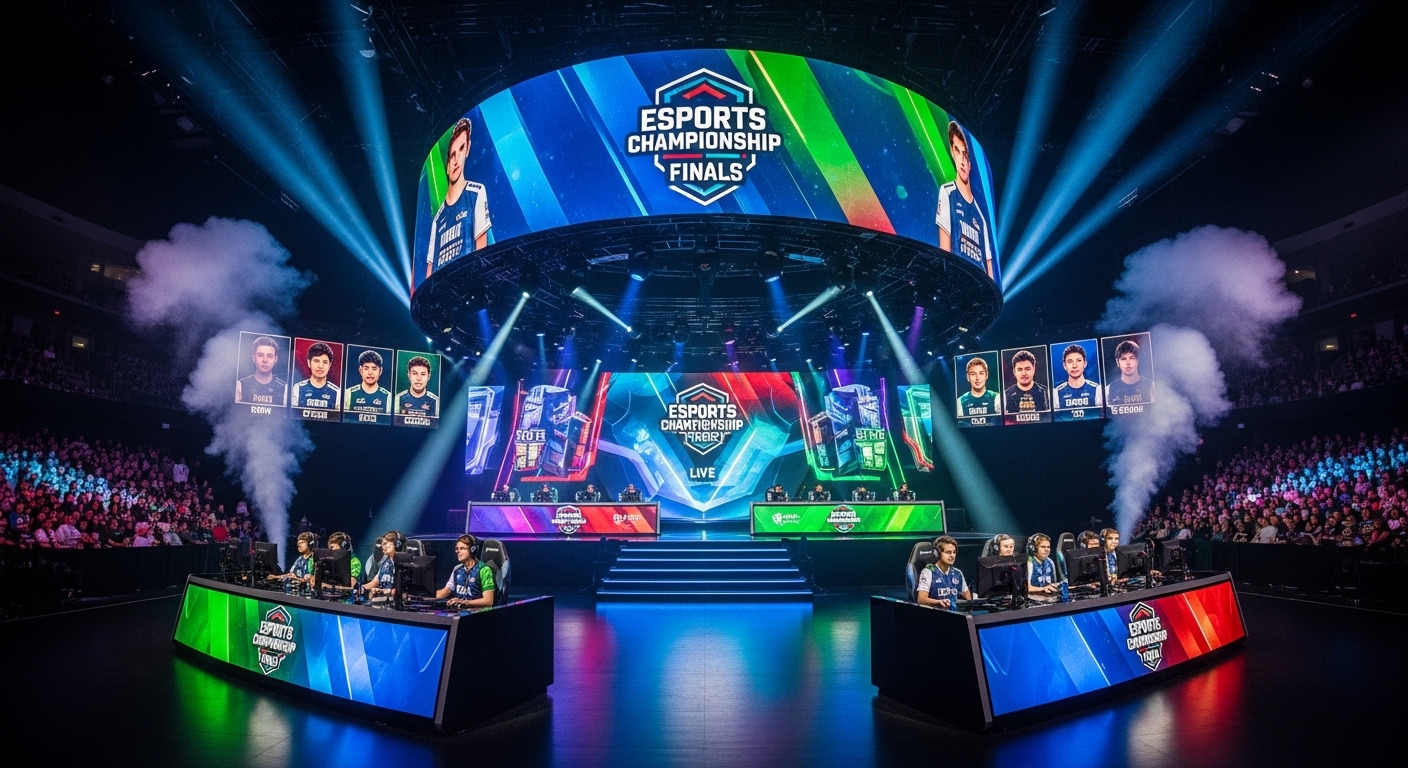
Esports is no longer confined to specific countries or regions; it is a global phenomenon. Tournaments such as the League of Legends World Championship, The International for Dota 2, and the Valorant Champions Tour attract millions of live viewers worldwide. Esports hubs have emerged in cities such as Seoul, Los Angeles, Berlin, and Shanghai, hosting events that rival traditional sports finals in scale and production quality.
The global appeal of esports lies in its ability to transcend cultural and linguistic barriers. Players and fans from diverse backgrounds unite through a shared passion for gaming, fostering communities that value skill, creativity, and strategic thinking. This universal appeal has encouraged recognition from traditional sports organizations, educational institutions, and even government bodies, solidifying esports as a mainstream form of entertainment.
The Influence of Esports on Culture
Esports has extended beyond gaming to influence fashion, music, and lifestyle. Gaming merchandise, themed cafes, and digital concerts highlight how deeply esports has permeated popular culture. Celebrities and traditional athletes invest in esports teams, bridging the gap between old and new forms of entertainment.
The culture surrounding esports emphasizes creativity and engagement. Fans create content, participate in online communities, and interact with their favorite players in ways that go beyond passive viewing. Memes, live commentary, and social media discussions contribute to the dynamic, ever-evolving culture of esports.
Education and Esports
The educational sector has embraced esports as well. Universities and colleges worldwide now offer scholarships to talented players, similar to traditional sports scholarships. Academic programs in game design, management, and broadcasting prepare students for careers in the expanding esports ecosystem.
Esports also serves as a platform for teaching valuable life skills. Teamwork, leadership, communication, and strategic thinking are cultivated through competitive gaming, making esports a valuable educational tool. As schools and institutions recognize the benefits of gaming, esports has begun to gain legitimacy as both an academic and professional pursuit.
Mental and Physical Demands
Esports demands more than digital dexterity; it requires mental resilience and physical discipline. Professional players practice for hours daily, often under intense pressure. Hand-eye coordination, reflexes, and strategic thinking are critical for success.
The industry has increasingly focused on mental health, recognizing that stress, burnout, and online harassment can affect players’ performance and well-being. Many organizations now provide psychological support, fitness training, and wellness programs to help players maintain balance. This holistic approach ensures that esports athletes can sustain long-term careers while prioritizing their health.
Economic Impact
Esports has become a significant economic force. Revenue streams include sponsorships, media rights, advertising, merchandise, and ticket sales. Global brands view esports as an opportunity to connect with young, tech-savvy audiences. In-game purchases, digital collectibles, and branded content offer unique monetization opportunities unavailable in traditional sports.
Esports events also boost local economies. Hosting international tournaments brings tourism, creates jobs, and promotes infrastructure development. Cities that embrace esports gain a reputation as innovation hubs, attracting tech companies and young professionals. The economic impact of esports extends far beyond gaming, influencing technology, media, and entertainment sectors globally.
Challenges Facing Esports
Despite rapid growth, esports faces challenges that must be addressed. Player burnout is a persistent issue, as the competitive calendar leaves little room for rest. Maintaining fair play is another concern, with cheating and match-fixing threatening the credibility of competitions.
Diversity and inclusivity remain challenges. Women and underrepresented groups face barriers in professional gaming. However, initiatives such as women’s leagues, mentorship programs, and community campaigns are gradually reshaping the industry, fostering a more inclusive environment.
The Future of Esports
The future of esports is limitless. Emerging technologies like virtual reality, augmented reality, and artificial intelligence promise to transform how players compete and audiences engage. Esports may soon provide fully immersive experiences, allowing fans to feel part of the game world itself.
As younger generations grow up with gaming as a mainstream pastime, esports will continue to gain recognition alongside traditional sports. National teams, global tournaments, and educational programs will further legitimize esports as a cultural and professional phenomenon. The growth of esports represents not just technological advancement but also a shift in how society values entertainment, creativity, and skill.
Conclusion: Esports as a Cultural Force
Esports has evolved from a niche hobby into a global movement that shapes culture, entertainment, and technology. It bridges continents, connects communities, and creates opportunities for players and fans alike. From humble beginnings in arcades and university labs to multi-million-dollar tournaments and global recognition, esports demonstrates how digital innovation can redefine competition.
As the industry continues to grow, esports will influence more than gaming. It will shape media, education, and cultural trends, reflecting the values of a digitally connected world. Esports is not just a pastime—it is a revolution, a career, and a cultural force that shows the limitless potential of human creativity and competition.