
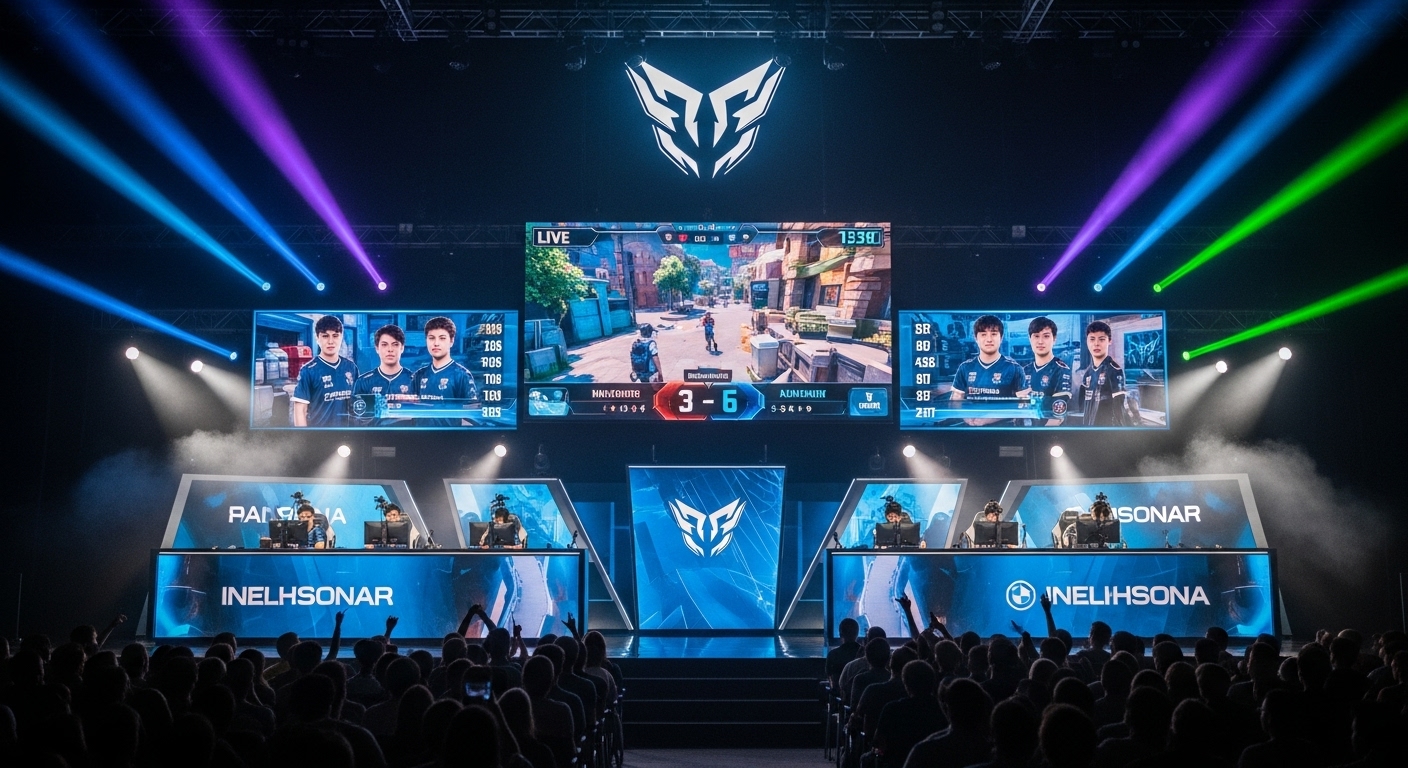
Introduction: The Digital Frontier of Competition
Esports, or electronic sports, has transformed the way people perceive competition, entertainment, and community in the 21st century. Once dismissed as casual gaming, esports has grown into a professional, structured, and highly lucrative industry. Millions of players and fans across the globe participate in or watch competitive gaming, treating it with the same enthusiasm, dedication, and passion as traditional sports. With international tournaments, professional teams, and substantial prize pools, esports has established itself as a legitimate and influential domain.
This blog explores the growth of esports, its impact on players and communities, the role of technology, the professional opportunities it offers, and how it is shaping a new era of digital sports culture.
The History and Evolution of Esports
The origins of esports can be traced back to the 1970s and 1980s when video game arcades hosted competitive events. Early games like Space Invaders, Pac-Man, and Pong laid the groundwork for structured competition. By the 1990s, games like Street Fighter, Quake, and Counter-Strike began cultivating dedicated competitive communities.
The 2000s marked the rise of online multiplayer games and streaming platforms, which allowed global audiences to watch competitions live. Titles such as StarCraft, Dota 2, League of Legends, and Fortnite helped define esports as we know it today. Modern esports involves professional teams, coaching staff, structured tournaments, and international leagues, blending strategy, skill, and entertainment in a highly organized ecosystem.
The Physical and Mental Demands of Esports
While esports may appear primarily digital, it demands significant mental and physical discipline. Professional players train for hours daily to sharpen reflexes, strategic thinking, communication skills, and teamwork. Success often depends on split-second decision-making, anticipation of opponents’ moves, and the ability to perform under high pressure.
Physical health is equally important. Long hours of gameplay require proper posture, hand-eye coordination, and vision care to prevent repetitive strain injuries and fatigue. Many professional players incorporate exercise, stretching, and a balanced diet into their routines to maintain stamina and focus. Esports, therefore, requires a combination of cognitive agility and physical well-being similar to traditional athletic sports.
The Role of Community in Esports
Esports thrives on community engagement. Online platforms connect players, fans, and content creators worldwide, creating spaces where individuals share strategies, experiences, and enthusiasm. Communities organize events, form fan groups, and interact through social media, fostering a sense of belonging.
Esports tournaments are more than competitions—they are social spectacles. Fans participate in live chats, forums, and streaming events, while offline gatherings at arenas bring players and fans together in shared experiences. This community-driven culture is a cornerstone of esports, contributing to its rapid global growth and popularity.
Economic Growth and the Esports Industry
The esports industry has become a multi-billion-dollar enterprise, generating revenue through sponsorships, media rights, merchandise, advertising, and tournament prize pools. Leading tournaments offer millions of dollars in prizes, attracting elite players and professional teams from around the globe.
Sponsorship deals and brand partnerships fuel the industry’s expansion. Companies recognize esports as a platform to reach engaged, tech-savvy audiences. Content creators, commentators, and streamers contribute economically through ad revenue, subscriptions, and donations. The industry not only supports players but also provides jobs in management, production, marketing, and event organization, establishing esports as a viable and sustainable career ecosystem.
Esports as a Career Path
Esports offers professional opportunities beyond just playing competitively. Players are recruited through rankings, tournaments, and scouting programs, receiving salaries, sponsorships, and team support. Beyond athletes, careers exist in coaching, management, marketing, event coordination, commentary, and content creation.
Accessibility is a key feature of esports careers. Unlike many traditional sports, esports allows players from regions lacking infrastructure to compete internationally. Dedication, skill, and strategy are rewarded over physical advantages, making esports a global equalizer in competitive fields.
The Influence of Technology on Esports
Technology underpins the entire esports ecosystem. High-performance gaming hardware, reliable internet, and advanced software ensure competitive fairness. Analytics tools track reaction times, precision, and decision-making, helping players refine strategies. Virtual simulations and AI-driven training programs further enhance skill development.
Streaming platforms allow millions of fans to watch live competitions, turning esports into a spectator phenomenon. Interactive overlays, commentary, and immersive visuals create an entertainment experience comparable to traditional sports broadcasts. Technology is not just a facilitator but a transformative force driving the growth and sophistication of esports.
Mental Skills Developed Through Esports
Esports cultivates a range of cognitive and social skills. Players develop rapid problem-solving abilities, critical thinking, multitasking, and adaptability. Team-based games encourage communication, leadership, and collaboration. Competitive gaming fosters perseverance, emotional resilience, and stress management under high-stakes conditions.
These skills are transferable beyond gaming. Many professional players excel in careers requiring analytical thinking, strategic planning, and teamwork. Esports also encourages discipline, patience, and goal-setting, making it a training ground for life skills and professional development.
Diversity and Inclusion in Esports
Esports provides an inclusive environment that is often more accessible than traditional sports. Individuals of all genders, physical abilities, and backgrounds can compete equally. Online platforms reduce barriers related to geography, socio-economic status, and mobility.
Efforts to promote diversity continue, including women’s leagues, accessibility-focused initiatives, and mentorship programs. This inclusivity fosters participation, talent discovery, and social progress, making esports not just a competitive activity but also a platform for equality and empowerment.
Global Reach and Cultural Impact
Esports has become a global phenomenon with strong followings in Asia, North America, Europe, and beyond. South Korea is renowned for its professional esports culture, with structured leagues and state support. China and Southeast Asia have rapidly growing esports markets, hosting major tournaments and investing in talent development.
International events foster cross-cultural exchange and a sense of global community. Players and fans from diverse backgrounds connect over shared enthusiasm, celebrating strategy, skill, and competition. Esports demonstrates how digital platforms can transcend cultural and geographic boundaries, uniting people worldwide through shared experiences.
The Future of Esports
The future of esports promises continued expansion, innovation, and professionalization. Emerging technologies like virtual reality, augmented reality, and AI-driven coaching will redefine training, competition, and viewing experiences. Audience growth is expected to increase as connectivity improves, reaching regions previously underserved.
Esports is also entering education and professional development. Scholarships, academic programs, and youth leagues integrate competitive gaming into formal institutions, validating its status as a professional and developmental field. Sustainability, inclusivity, and innovation will drive the next phase of esports growth, making it a defining feature of global culture and entertainment.
Challenges in Esports
Despite its success, esports faces significant challenges. Mental health issues, including stress, burnout, and addiction, affect players due to long hours and high-pressure competition. Physical concerns, such as repetitive strain injuries and eye strain, are prevalent. Regulatory frameworks and anti-cheating measures are still developing, and public perception sometimes underestimates the skill and dedication required to succeed.
Addressing these challenges requires collaboration between industry stakeholders, players, and health professionals. Structured support systems, fair play regulations, and responsible engagement are essential to ensure the long-term sustainability of esports.
Conclusion: Esports as a Cultural Revolution
Esports represents more than gaming; it is a cultural movement redefining competition, community, and entertainment. It combines strategy, skill, technology, and engagement to create an inclusive, global ecosystem. For players, it offers personal growth, professional opportunities, and social recognition. For fans, it provides entertainment, connection, and shared passion.
As esports continues to evolve, it challenges traditional notions of sports, proving that competition, teamwork, and dedication are not limited to physical arenas. Beyond the screen, esports is shaping a new era of digital sports culture, connecting people, inspiring talent, and establishing a dynamic industry that reflects the possibilities of the modern world.