
Introduction: The Era of Competitive Gaming
Esports, or electronic sports, has grown from a niche hobby into a global phenomenon, transforming the way we perceive competition, entertainment, and professional careers. Once considered a casual pastime for gamers, esports now commands massive audiences, attracts lucrative sponsorships, and offers professional opportunities akin to traditional sports. With its rapid rise, esports has reshaped the landscape of digital entertainment, bridging technology, strategy, and human skill in ways that were previously unimaginable. Beyond just gaming, esports has become a platform for personal development, community engagement, and cultural influence, reflecting the evolution of digital society.
The History and Evolution of Esports
The roots of esports trace back to the late 20th century, when arcade tournaments and early PC gaming competitions began drawing attention. Games like Space Invaders and Street Fighter pioneered competitive gaming, setting the stage for organized events. The 1990s introduced multiplayer online games such as StarCraft and Quake, which emphasized skill, strategy, and teamwork. As internet connectivity improved, esports expanded globally, allowing players from different countries to compete in real-time. Modern esports encompasses a wide range of games, from first-person shooters and real-time strategy games to battle royales and sports simulations. The evolution of esports highlights not only technological advancement but also the growing cultural acceptance of gaming as a professional pursuit.
The Structure of Esports
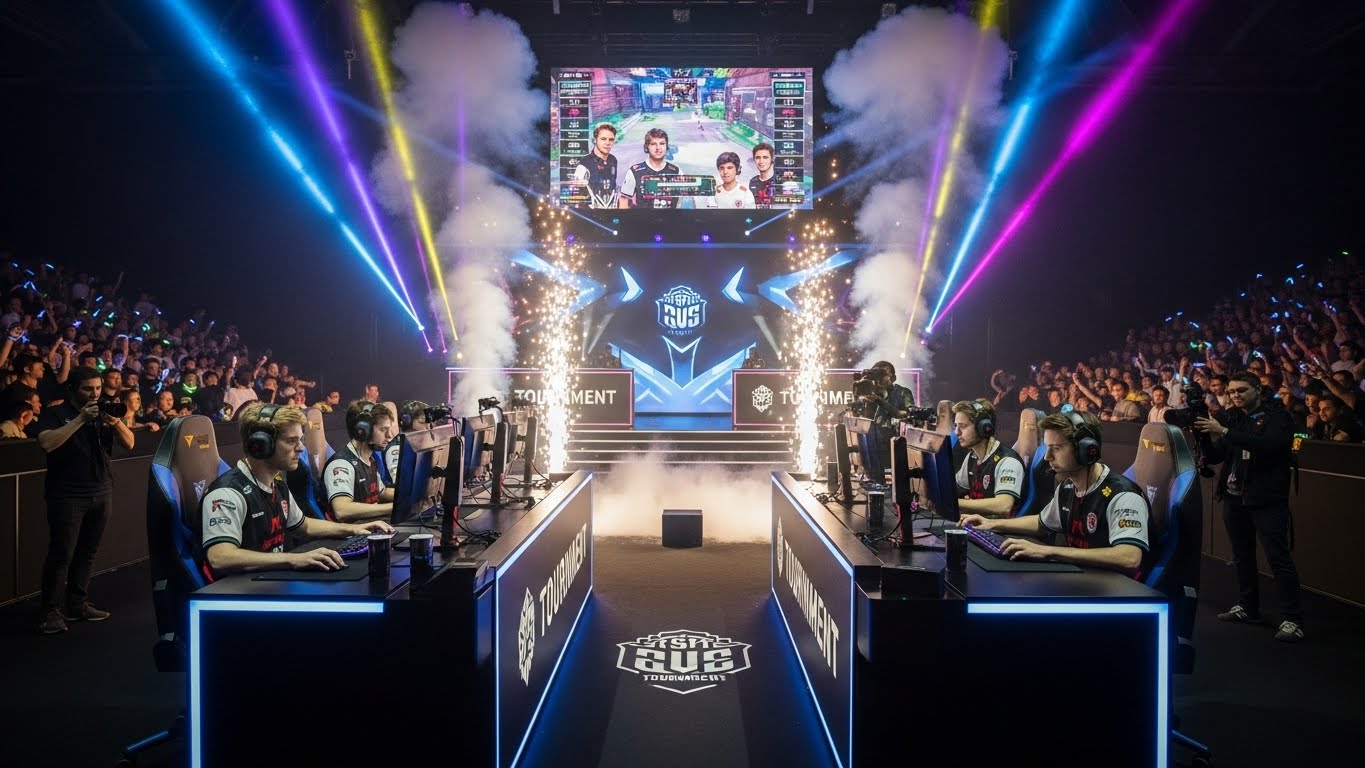
Esports competitions are organized with a level of professionalism comparable to traditional sports. Tournaments are held at local, regional, and international levels, often featuring qualifying rounds, group stages, and playoffs. Professional teams, backed by sponsors, compete in leagues with structured schedules, coaching staff, and analytics teams. Players train extensively, studying game mechanics, strategies, and opponent tendencies to gain a competitive edge. Live broadcasts, streaming platforms, and commentary enhance viewer engagement, creating an experience that mirrors the excitement of live sports. This structured ecosystem has helped esports gain legitimacy, attracting investors, fans, and media attention worldwide.
Cognitive Benefits of Esports
Engaging in esports requires a high level of mental acuity. Competitive gaming enhances critical thinking, problem-solving, decision-making, and strategic planning. Players must anticipate opponents’ moves, adapt to dynamic scenarios, and make split-second decisions under pressure. Games often involve complex mechanics, resource management, and team coordination, stimulating both analytical and creative thinking. The cognitive skills developed through esports are transferable to real-life situations, improving multitasking, memory, and focus. Far from being a passive activity, esports actively engages the mind, challenging players to think, react, and innovate continually.
Emotional and Psychological Aspects
Esports also has a profound impact on emotional and psychological development. Competition teaches resilience, patience, and the ability to manage stress. Players experience triumphs and setbacks, learning to cope with failure and celebrate achievements. Team-based esports foster communication, empathy, and conflict resolution, while individual competitions enhance self-discipline and confidence. The emotional engagement with games allows players to experience a sense of purpose, motivation, and accomplishment. Additionally, esports provides a safe environment to take risks and experiment, which can build emotional intelligence and perseverance.
Social Connectivity Through Esports
One of the defining features of esports is its capacity to create communities. Online platforms and multiplayer games allow players to connect with others who share their interests, forming teams, alliances, and fan followings. Tournaments and conventions foster interaction, collaboration, and friendly rivalry. Fans engage through streaming platforms, social media, and forums, creating a culture of shared experiences and discussion. Esports communities provide social support, mentorship, and networking opportunities, demonstrating that competitive gaming is not an isolated activity but a vibrant social ecosystem.
The Rise of Professional Esports
Esports has become a viable professional career for skilled players. Professional esports athletes undergo rigorous training, often practicing for multiple hours daily while analyzing gameplay and strategies. Sponsorships, prize money, and streaming revenue provide financial stability, while professional recognition elevates status within the gaming community. Coaching, team management, content creation, and event organization have also emerged as career paths within esports. This professionalization mirrors traditional sports, highlighting the dedication, discipline, and skill required to succeed at the highest levels of competitive gaming.
The Role of Technology in Esports
Technology is the backbone of esports, enabling high-level competition and global connectivity. High-performance computers, gaming consoles, and peripherals enhance precision and performance. High-speed internet and online platforms allow real-time competition across continents. Streaming services provide live broadcasts, interactive commentary, and audience engagement. Data analytics and performance tracking tools help players and teams refine strategies and optimize gameplay. Advances in virtual reality and augmented reality are also expanding the possibilities of esports, creating immersive experiences for both players and spectators. Technology continues to drive the growth and sophistication of the esports ecosystem.
Esports and Education
Esports is increasingly recognized as an educational tool. Many schools and universities have established esports programs, offering scholarships, structured training, and team participation. These programs teach strategic thinking, teamwork, leadership, and digital literacy. Students develop time management, communication, and critical thinking skills while engaging in competitive gaming. Esports also promotes inclusivity, offering opportunities for students who may not participate in traditional sports. By integrating esports into educational systems, institutions harness the medium’s potential for skill development and personal growth.
Global Influence and Cultural Impact
Esports has become a global cultural phenomenon, transcending borders and languages. Major tournaments attract audiences in the millions, creating shared experiences and fandoms. Esports influences fashion, music, storytelling, and online content creation. Players become cultural icons, inspiring fans and shaping trends. The competitive nature of esports mirrors the spirit of traditional sports while also embracing the digital culture of modern society. Its global reach and cultural significance demonstrate that esports is not merely entertainment—it is a powerful platform for community, identity, and cultural expression.
Health and Wellness in Esports
While esports is largely sedentary, professional players emphasize physical fitness, mental health, and nutrition to maintain peak performance. Training routines often include cardiovascular exercise, strength training, and flexibility exercises to prevent injuries and enhance focus. Mental health support, including stress management and psychological coaching, is increasingly integrated into esports programs. Maintaining a balanced lifestyle is essential for sustainable performance, highlighting that professional esports requires holistic preparation beyond gaming skills alone.
Challenges in Esports
Despite its rapid growth, esports faces challenges. Issues such as burnout, performance pressure, toxic behavior, and unequal access can hinder player development and community well-being. The competitive nature of esports can lead to stress and mental fatigue if not managed properly. Regulatory frameworks, standardized rules, and ethical practices are still evolving, requiring careful governance. Addressing these challenges is essential to ensure esports remains a positive, inclusive, and sustainable industry.
The Future of Esports
The future of esports is promising, with continued growth in viewership, technology, and professional opportunities. Emerging technologies like virtual reality, artificial intelligence, and cloud gaming are creating new possibilities for competition and engagement. Increased recognition of esports in educational institutions and mainstream media will further legitimize the field. Inclusivity and diversity initiatives will broaden participation, while global tournaments will continue to unite communities and cultures. As esports continues to evolve, it will redefine entertainment, professional competition, and digital culture for generations to come.
Conclusion: Esports as a Transformative Force
Esports is more than just competitive gaming—it is a transformative force that impacts culture, technology, education, and human development. It engages the mind, fosters social connection, and provides professional opportunities for millions of players worldwide. The growth of esports demonstrates the power of digital media to create communities, inspire skill development, and entertain audiences on a global scale. By embracing esports as both a cultural and professional phenomenon, society recognizes its potential to redefine competition, innovation, and human interaction. The rise of digital gladiators is a testament to the enduring appeal of skill, strategy, and passion in the modern age.