
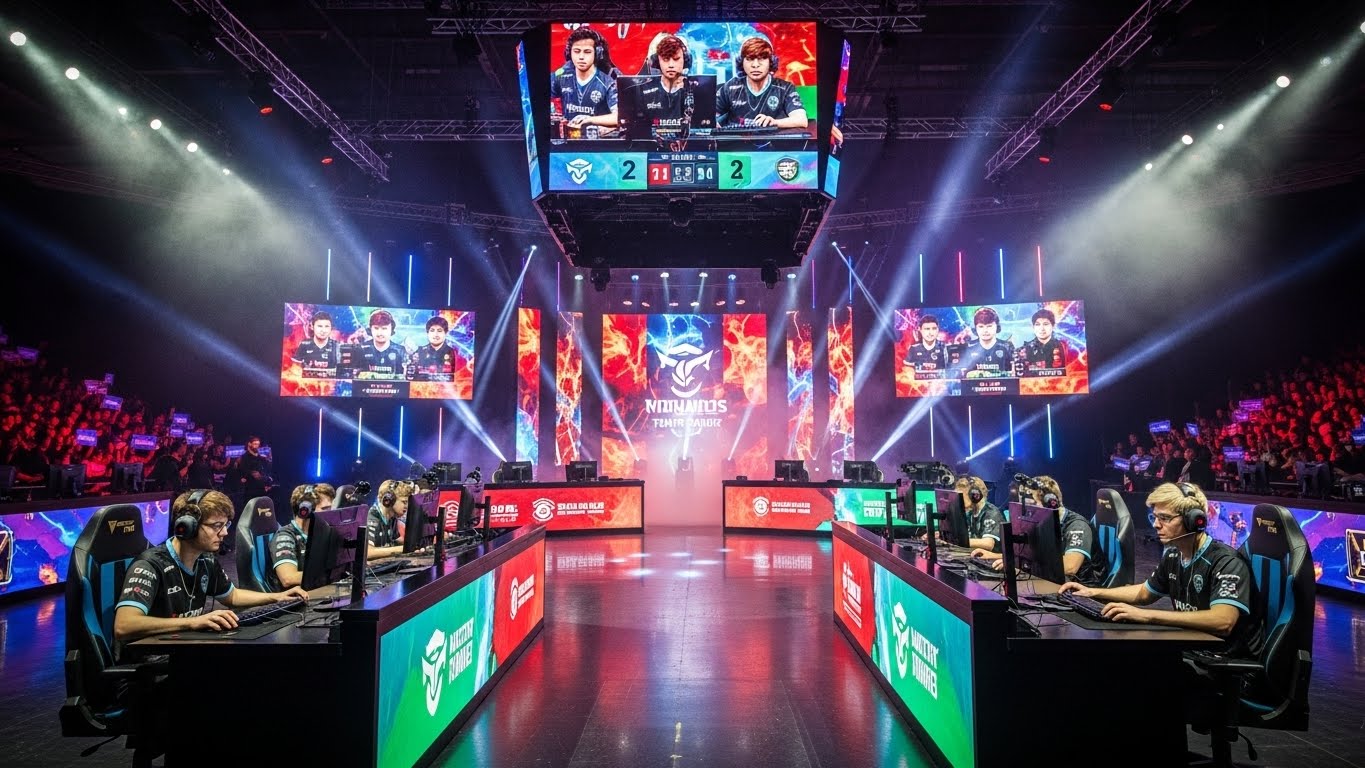
Esports, or electronic sports, has transformed the way we perceive competition, entertainment, and even career opportunities. What started as casual video game competitions has grown into a global phenomenon with millions of fans, professional leagues, and massive tournaments. Esports is no longer just a pastime; it has become a cultural and economic force with the power to influence generations. This blog explores the evolution of esports, its cultural significance, the psychology behind competitive gaming, and its future potential.
The Origins of Esports
Competitive gaming dates back to the early 1970s when players began competing for high scores in arcade games such as Pong and Space Invaders. These early competitions were local events, often informal, yet they highlighted a desire for competition and recognition among players.
The 1980s and 1990s marked the growth of PC gaming and multiplayer experiences. Games like Doom, Quake, and StarCraft allowed players to challenge each other online. Local area network tournaments became popular, and gaming communities began to form, laying the foundation for the esports ecosystem we know today.
The Growth of Competitive Gaming
As technology advanced, esports grew rapidly. The late 1990s and early 2000s saw the creation of dedicated esports leagues and organized competitions. Titles such as Counter-Strike, Warcraft III, and Dota pioneered the idea of professional gaming, requiring teamwork, strategy, and precision.
The rise of online platforms allowed players from different regions to compete against each other, transforming gaming into a global phenomenon. Communities shared strategies, celebrated achievements, and watched competitions, fueling the popularity of esports worldwide.
Popular Esports Genres
Esports encompasses a wide variety of game genres. Multiplayer online battle arenas (MOBAs) like League of Legends and Dota 2 focus on teamwork, strategy, and individual skill. First-person shooters (FPS) such as Counter-Strike: Global Offensive and Call of Duty demand precision, reflexes, and tactical thinking.
Battle royale games like Fortnite and Apex Legends test survival skills and adaptability, while sports simulation games such as FIFA or NBA 2K replicate real-world sports competition. Each genre offers unique challenges, attracting different types of players and audiences.
Esports as a Global Industry
Esports has become a billion-dollar industry with professional teams, sponsorships, merchandise, and streaming platforms. Major tournaments now feature prize pools worth millions of dollars, drawing thousands of spectators in arenas and millions more online.
Global events such as The International (Dota 2) and the League of Legends World Championship attract players and fans from around the world. Sponsorship deals and media rights generate substantial revenue, establishing esports as a serious and influential industry comparable to traditional sports.
The Role of Streaming Platforms
Streaming platforms such as Twitch, YouTube Gaming, and other live broadcasting services have revolutionized esports. Players can broadcast gameplay to audiences worldwide, interact with fans in real-time, and build personal brands.
Streaming creates a sense of community, allowing viewers to learn strategies, follow their favorite teams, and experience the excitement of competitions. It has turned amateur players into celebrities and provided professional gamers with additional income streams, solidifying the connection between players and their audience.
The Psychology Behind Esports
Competitive gaming appeals to human psychology in several ways. Players are motivated by achievement, challenge, and social interaction. Games offer measurable goals, levels, and rewards, satisfying a player’s need for accomplishment.
Esports also fosters skills such as critical thinking, teamwork, and strategic planning. High-pressure tournaments teach resilience, focus, and emotional control. These psychological benefits are comparable to those seen in traditional sports, proving that esports requires mental acuity as well as technical skill.
Professional Teams and Player Careers
Esports has created viable career opportunities for talented players. Professional teams operate like traditional sports franchises, employing coaches, analysts, and psychologists to optimize performance. Players adhere to structured training schedules, emphasizing both physical and mental preparation.
Successful esports athletes earn income through tournament winnings, salaries, sponsorships, and streaming. Career longevity is supported by media presence and brand partnerships. For many young gamers, esports provides a pathway to professional recognition and financial independence.
Health and Wellbeing in Esports
While esports is mentally stimulating, it can present physical and psychological challenges. Long hours of gameplay can cause eye strain, repetitive stress injuries, and posture-related problems. Mental fatigue and pressure to perform can lead to stress and burnout.
Leading esports organizations now prioritize wellness programs, including physical exercise, nutrition, mental health support, and proper rest. Balanced routines help players maintain peak performance while reducing risks associated with intense gaming schedules.
Esports in Education
Educational institutions are embracing esports as a tool for skill development. Schools and universities have started offering esports clubs, tournaments, and scholarships, recognizing the cognitive and strategic benefits of gaming.
Students who participate in esports develop teamwork, communication, problem-solving, and leadership skills. Academic programs also prepare students for careers in game development, digital media, and esports management, merging passion with professional growth opportunities.
Cultural Impact of Esports
Esports is more than a competition—it is a cultural movement. Gaming communities form around shared interests, creating social connections and shared identities. Fans celebrate victories, follow storylines, and engage with the culture surrounding their favorite games.
Esports also influences fashion, music, and digital culture. Players and streamers are cultural icons, inspiring trends and shaping the gaming lifestyle. The phenomenon demonstrates how technology and creativity intersect to create shared cultural experiences.
Challenges Facing Esports
Despite its success, esports faces challenges. Integrity issues such as cheating and match-fixing can damage credibility. The pressure to succeed at a young age can impact mental health, leading to burnout and anxiety.
Additionally, esports still battles perception barriers. Some critics question whether competitive gaming qualifies as a “real sport.” Advocates emphasize that esports requires skill, strategy, and dedication on par with traditional athletics, challenging outdated notions of competition.
The Future of Esports
The future of esports is bright, fueled by technology, inclusivity, and global interest. Virtual reality and augmented reality promise to create immersive experiences for players and spectators. Artificial intelligence may be used to enhance training and provide real-time analysis during competitions.
Esports will continue to become more inclusive, offering opportunities for women, differently-abled players, and diverse communities. As the industry matures, esports is likely to rival traditional sports in viewership, sponsorship, and cultural significance.
Conclusion
Esports has grown from casual gaming competitions into a global industry that entertains, challenges, and inspires millions. It combines skill, strategy, teamwork, and psychological resilience, proving that competitive gaming is a serious endeavor.
Participation in esports develops cognitive, social, and emotional skills, while spectatorship builds community and shared identity. With professional leagues, streaming platforms, and international tournaments, esports continues to redefine what it means to compete in the digital age.
The rise of esports demonstrates the transformative power of technology and creativity. It has become a cultural and economic force, shaping entertainment, education, and career opportunities for generations to come. Esports is not just gaming—it is a revolution in how we play, connect, and compete.