
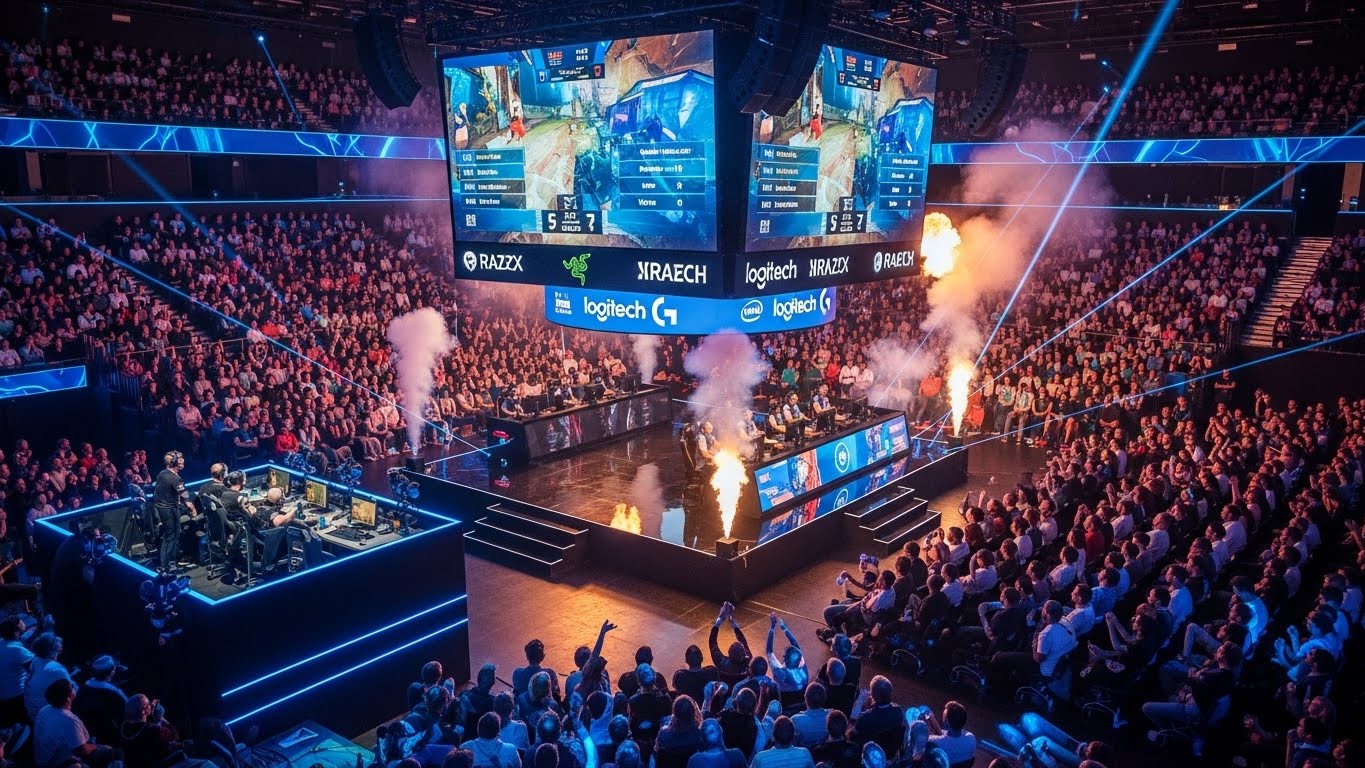
Esports has evolved from a niche pastime into a global phenomenon, reshaping how we think about competition, entertainment, and community. Once dismissed as a hobby for a small group of enthusiasts, esports now boasts professional leagues, international tournaments, and millions of fans worldwide. The rise of esports reflects broader changes in technology, culture, and the way people engage with digital content. This blog explores the history, structure, impact, and future of esports, illustrating why competitive gaming has become a defining aspect of modern entertainment.
The Origins of Esports
Competitive gaming has roots dating back to the late 1970s and early 1980s, when arcade tournaments first emerged. Games like Space Invaders and Pac-Man offered players opportunities to test their skills, with high scores serving as public recognition. These early competitions laid the foundation for organized gaming events and sparked the competitive spirit that drives esports today.
The 1990s and early 2000s marked a turning point as personal computers and online connectivity expanded the possibilities of competitive gaming. Games such as Quake, Counter-Strike, and StarCraft gained popularity in local and online tournaments. South Korea, in particular, played a pivotal role in legitimizing esports as a profession, with televised StarCraft competitions attracting large audiences and creating professional players with celebrity status.
Understanding Esports: More Than a Game
Esports is distinct from casual gaming because it involves structured competition, teamwork, and strategic thinking. Popular esports genres include multiplayer online battle arenas (MOBAs), first-person shooters (FPS), real-time strategy games (RTS), and fighting games. Each genre requires unique skills, from quick reflexes and precision to communication and long-term strategic planning.
Professional esports players dedicate significant time to practice, studying opponents, and refining strategies. The discipline, focus, and analytical skills required demonstrate that esports demands a level of professionalism comparable to traditional sports. Success in esports requires both mental agility and physical coordination, highlighting its complexity and intensity.
Teams, Organizations, and Professional Structures
Esports thrives on teamwork, organization, and structure. Many games are team-based, requiring players to collaborate effectively to achieve objectives. Professional teams consist of individuals with specialized roles, such as attackers, defenders, and strategists, all working together toward a shared goal.
Esports organizations function similarly to sports franchises, providing coaching, analytics, physical and mental support, and brand management. They oversee sponsorships, event participation, and fan engagement, ensuring sustainability for both players and the organization. This professionalization has transformed esports into a serious, career-oriented ecosystem where talent, strategy, and preparation are crucial.
The Role of Streaming and Digital Platforms
A key factor in esports’ explosive growth is digital accessibility. Streaming platforms allow millions of fans worldwide to watch live matches, interact with players, and engage with content in real time. Unlike traditional sports, esports enables fans to participate directly through chat interactions, polls, and community discussions.
Digital platforms have also created new opportunities for content creators and influencers who produce gameplay commentary, tutorials, and entertainment. This interactive ecosystem strengthens fan engagement, fosters global communities, and supports the economic growth of esports, transforming it into both a spectator sport and a social phenomenon.
Economic Impact of Esports
Esports has become a multi-billion-dollar industry, generating revenue through tournaments, sponsorships, merchandise, broadcasting, and digital content. Major tournaments feature prize pools that reach millions of dollars, attracting top talent and elevating the competitive stakes.
Beyond players and teams, esports drives careers in coaching, event management, marketing, and media production. Gaming hardware manufacturers, software developers, and technology companies also benefit from esports’ growth. Its economic influence demonstrates that esports is not just entertainment; it is a major contributor to the global digital economy.
Training and Mental Resilience
Professional esports players adhere to rigorous training schedules similar to those of traditional athletes. Daily practice, strategy sessions, teamwork drills, and analytical review are standard. Physical fitness is also emphasized, as endurance, reflexes, and focus improve through proper exercise and nutrition.
Mental resilience is critical, as players face the pressures of high-stakes competitions, public scrutiny, and intense schedules. Techniques such as visualization, focus exercises, and cognitive training are used to maintain performance under pressure. The dedication required highlights the professional and psychological demands of esports.
Social and Cognitive Benefits of Esports
Esports provides a range of cognitive and social benefits. Competitive gaming improves critical thinking, strategic planning, multitasking, and problem-solving skills. Players learn to adapt quickly, anticipate challenges, and make rapid decisions, enhancing mental agility.
Socially, esports fosters collaboration, communication, and global connection. Online teams and communities allow individuals to interact across borders, forming friendships and professional networks. Esports also encourages leadership, teamwork, and empathy, demonstrating that gaming can be a positive social experience when approached responsibly.
Challenges in the Esports Industry
Despite its rapid growth, esports faces several challenges. Long hours of practice can cause physical strain, including eye fatigue, repetitive stress injuries, and posture-related issues. Mental health challenges such as stress, anxiety, and burnout are also prevalent among players.
Inclusivity and diversity remain areas needing attention. Although progress has been made, women, minority groups, and players from underrepresented regions face barriers in participation and visibility. Addressing these issues is essential for ensuring a sustainable, equitable, and healthy esports environment.
Global Reach and Cultural Significance
Esports has a universal appeal, connecting players and fans worldwide. International tournaments allow diverse teams to compete on a global stage, fostering cultural exchange and collaboration. Fans across continents share experiences, cheer for teams, and discuss strategies, creating a global community united by a shared passion for gaming.
Esports resonates strongly with younger generations, aligning with digital lifestyles and technological fluency. It blends entertainment, competition, and social interaction, establishing itself as a cultural force that influences media, technology, and popular culture.
The Future of Esports
The future of esports is poised for continued growth and innovation. Emerging technologies such as virtual reality, augmented reality, and cloud gaming will enhance immersion and interactivity. Artificial intelligence and analytics will improve training, strategy, and competitive balance, pushing the boundaries of gameplay.
Education and professional pathways in esports are expanding. Universities offer scholarships, degree programs, and esports facilities, legitimizing competitive gaming as a career. As technology advances and the industry matures, esports will continue to influence entertainment, culture, and global economies.
Conclusion: Esports as a Modern Sport
Esports has transformed competitive gaming from a hobby into a professional, global, and culturally significant phenomenon. It combines skill, strategy, technology, and community in ways that rival traditional sports. Professional esports players demonstrate discipline, resilience, and focus, while fans engage with immersive and interactive experiences.
The digital nature of esports allows for global reach, community building, and cultural exchange. As the industry continues to evolve, esports will redefine competition, inspire innovation, and unite people across borders. Esports is more than games—it is a reflection of human ingenuity, teamwork, and the limitless possibilities of the digital age.