
Introduction: The Dawn of Competitive Gaming
Esports, or electronic sports, has evolved from a niche hobby into a global entertainment powerhouse. What once began as casual video game competitions among friends has transformed into a professional industry attracting millions of viewers, high-profile sponsorships, and international tournaments. Esports is now recognized as a legitimate form of competitive sport, combining skill, strategy, and teamwork in a digital arena. Its rise reflects not only advancements in technology but also a cultural shift in how people perceive gaming as a career, entertainment, and social activity.
The History of Esports
Competitive gaming has existed for decades, tracing back to the arcade tournaments of the 1980s. Early competitions focused on games like Pac-Man and Space Invaders, where high scores determined the champions. The 1990s saw the emergence of multiplayer games such as Quake and StarCraft, which introduced organized competitions and early esports leagues. Internet connectivity and online multiplayer gaming in the 2000s further accelerated the growth of competitive gaming. Today, esports has become a sophisticated industry with global tournaments, professional teams, and multi-million-dollar prize pools. Its history reflects the evolution of gaming technology, player communities, and audience engagement.
The Global Esports Industry
The esports industry is now a billion-dollar enterprise encompassing tournaments, sponsorships, merchandise, media rights, and streaming. Major organizations and publishers host annual competitions with prize pools that rival traditional sports championships. Countries around the world recognize esports as a legitimate form of competition, and governments are increasingly supporting esports initiatives through infrastructure, funding, and education. Asia, North America, and Europe are major hubs for esports activity, with South Korea often regarded as the birthplace of professional competitive gaming. The global reach of esports highlights its influence as both an entertainment and economic phenomenon.
Popular Esports Titles
Esports spans a wide variety of genres, each appealing to different player bases and audiences. Multiplayer online battle arena (MOBA) games like League of Legends and Dota 2 feature team-based strategies where coordination and individual skill are critical. First-person shooters such as Counter-Strike: Global Offensive and Call of Duty emphasize precision, reaction time, and tactical awareness. Battle royale games like Fortnite and PUBG combine survival mechanics with competitive strategy, attracting massive audiences. Real-time strategy and sports simulation games, as well as fighting games like Street Fighter and Super Smash Bros., contribute to the diversity of the esports ecosystem. Each game fosters dedicated communities, professional leagues, and specialized tournaments.
Esports as a Professional Career
The growth of esports has created opportunities for players to pursue gaming as a full-time profession. Professional players undergo rigorous training schedules, including hours of practice, strategy development, and physical conditioning. Teams often employ coaches, analysts, and support staff to optimize performance. Beyond playing, careers in esports extend to content creation, streaming, tournament organization, game development, and broadcasting. Players can gain sponsorship deals, endorsements, and prize money, sometimes surpassing the earnings of traditional athletes. The professionalization of esports has elevated gaming to a respected and viable career path.
Esports Tournaments and Events
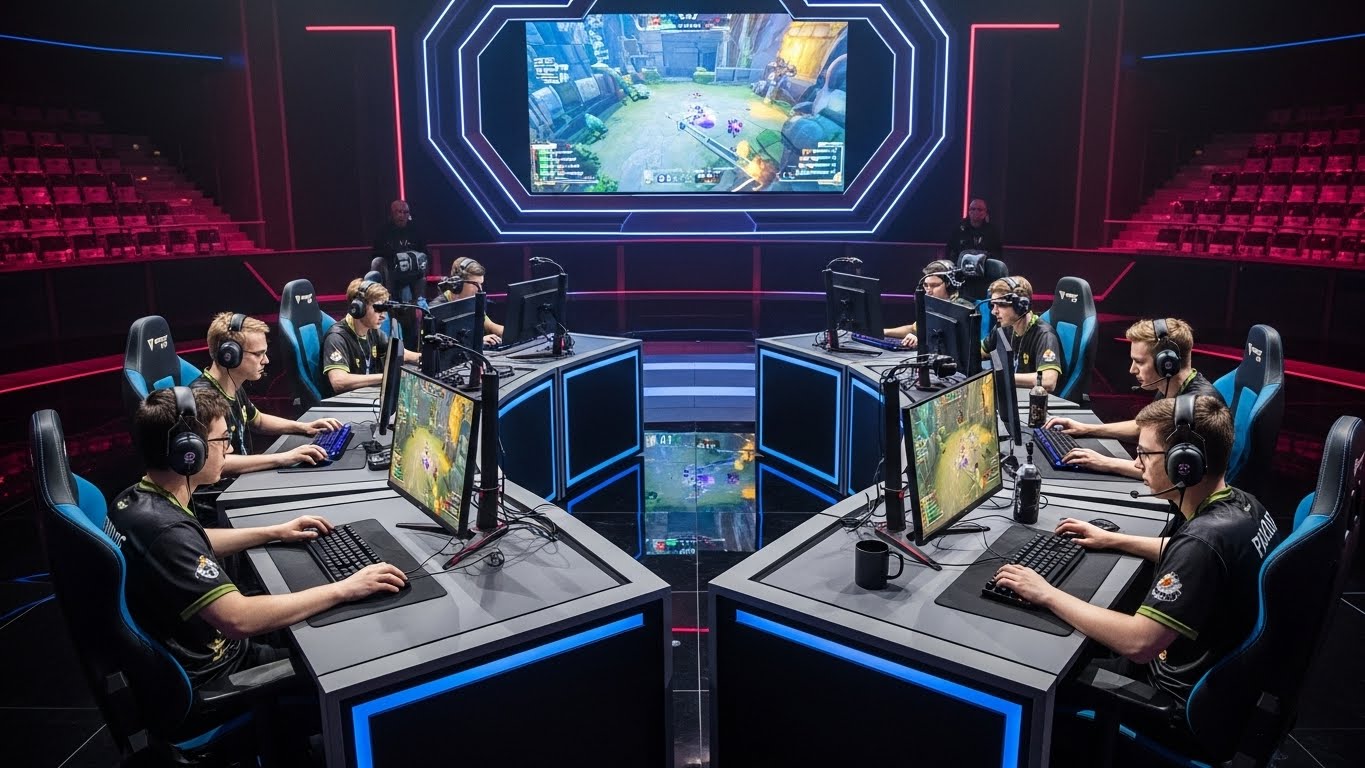
Tournaments are the cornerstone of competitive gaming, showcasing talent and entertaining global audiences. Major esports events such as the League of Legends World Championship, The International for Dota 2, and Fortnite World Cup attract millions of viewers online and thousands of attendees in stadiums. These events are highly produced spectacles with professional commentary, live broadcasts, and elaborate staging. In addition to entertainment, tournaments drive community engagement, sponsorship opportunities, and fan loyalty. They highlight the scale and professionalism of esports, proving that competitive gaming can rival traditional sports in excitement and reach.
The Role of Streaming Platforms
Streaming platforms have played a critical role in the rise of esports. Services like Twitch, YouTube Gaming, and other live-streaming platforms allow players to broadcast matches, interact with fans, and build personal brands. Viewership numbers for top esports events often exceed millions, demonstrating the medium’s massive reach. Streaming has also democratized content creation, enabling amateur players to gain recognition, attract sponsorships, and transition into professional esports. The accessibility of streaming has helped create global esports communities and has turned competitive gaming into a spectator sport on par with traditional athletics.
Esports and Social Connectivity
Esports is not just about competition; it fosters social interaction and community building. Players form teams, guilds, and fan groups, creating bonds over shared interests and experiences. Online forums, social media, and live chats during streams enable fans to discuss strategies, celebrate victories, and connect with like-minded individuals. This social dimension is particularly important for younger audiences, offering a sense of belonging and identity. Esports communities are vibrant, inclusive, and global, reflecting the power of digital platforms to unite people through a shared passion for gaming.
Training, Strategy, and Skill Development
Success in esports requires a combination of technical skill, strategic thinking, and mental resilience. Players spend countless hours perfecting mechanics, analyzing gameplay, and developing tactics to gain an edge over opponents. Team coordination, communication, and adaptability are critical, particularly in games that require split-second decision-making. Professional players often incorporate physical fitness and mental health routines into their schedules, recognizing that endurance, focus, and stress management are key to long-term success. Esports demands dedication comparable to traditional sports, highlighting the professionalism and discipline of competitive gaming.
The Economic Impact of Esports
Esports has generated significant economic impact through revenue streams including ticket sales, advertising, media rights, merchandise, sponsorships, and in-game purchases. Cities and countries invest in esports infrastructure, including arenas, training facilities, and educational programs, recognizing the industry’s potential to drive growth. Sponsorship deals with global brands have elevated esports into mainstream awareness, integrating gaming with fashion, technology, and lifestyle markets. This economic significance demonstrates that esports is not just a form of entertainment but also a major contributor to global commerce and job creation.
Challenges and Criticisms in Esports
Despite its success, esports faces several challenges. Concerns over player burnout, mental health, and excessive screen time are prevalent due to the demanding nature of professional gaming. Issues related to cheating, match-fixing, and toxic behavior in online communities must be addressed to maintain fairness and integrity. Additionally, the industry faces challenges in gender representation and inclusivity, with female players and minorities often underrepresented. Addressing these challenges is critical for ensuring sustainable growth, ethical standards, and a positive culture within esports.
The Future of Esports
The future of esports promises continued growth, innovation, and mainstream integration. Emerging technologies such as virtual reality, augmented reality, and AI-driven game analysis are likely to enhance both gameplay and spectator experiences. Esports may increasingly merge with traditional sports, entertainment, and education, creating hybrid events and interactive experiences. Expansion into new markets, especially in regions with growing internet connectivity, will broaden the global audience. As esports continues to evolve, it will redefine the boundaries of competitive entertainment and inspire a new generation of players, fans, and professionals.
Conclusion: Esports as a Cultural Force
Esports has transcended its origins as a niche hobby to become a cultural, social, and economic force. It combines competition, entertainment, and community in a unique digital arena, attracting millions of players and spectators worldwide. With professionalization, global tournaments, and lucrative opportunities, esports has established itself as a legitimate career path and a mainstream form of entertainment. Beyond the games themselves, esports fosters social connections, teamwork, and skill development, reflecting the broader impact of gaming on society.
The rise of esports illustrates the transformative power of technology and digital media in shaping human experiences. As the industry continues to innovate, it will influence culture, entertainment, and professional opportunities in unprecedented ways. Esports is no longer just a game; it is a dynamic ecosystem where skill, strategy, passion, and community converge. The world of competitive gaming is evolving rapidly, and its future promises even greater excitement, inclusivity, and global influence.