
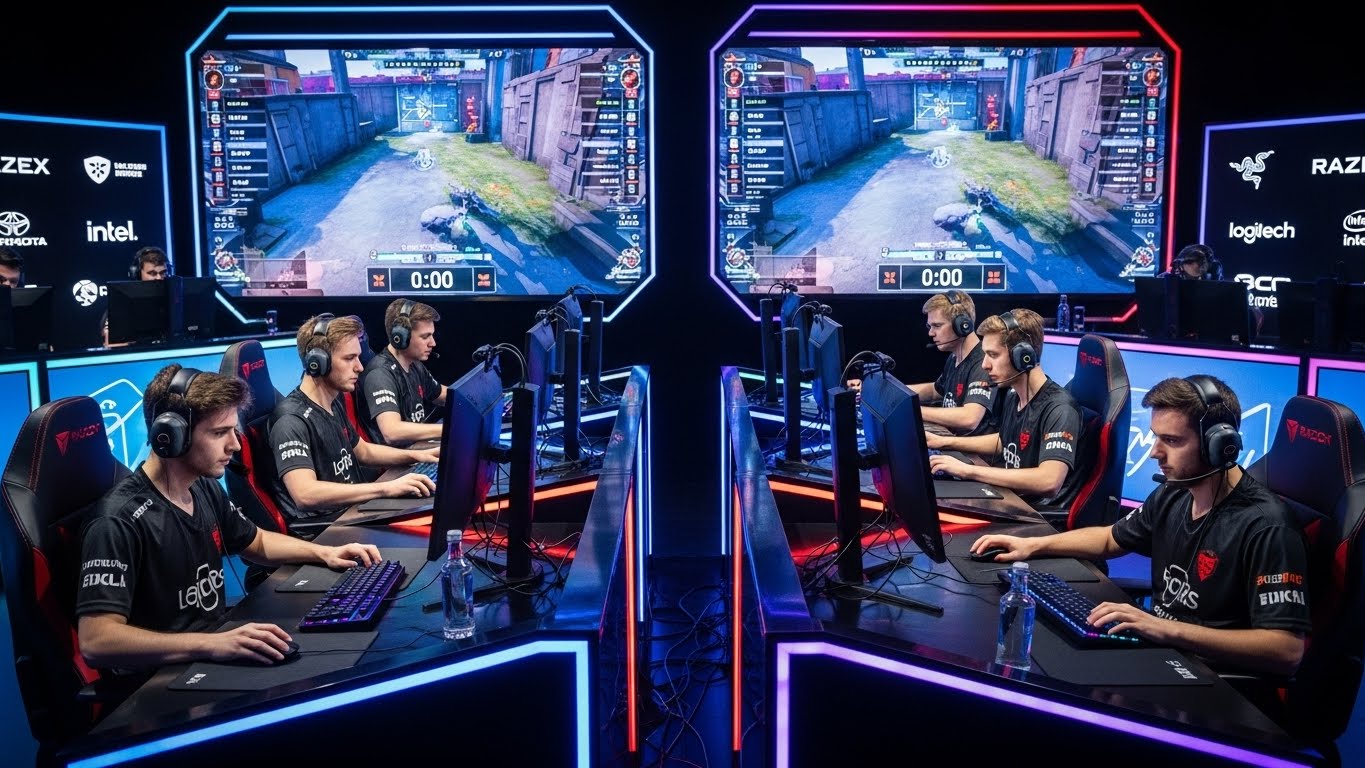
Introduction: The Rise of a Digital Arena
Esports, once dismissed as a niche hobby for a small group of gamers, has evolved into a global phenomenon that rivals traditional sports in scale, influence, and economic impact. What began in internet cafés and living rooms has grown into sold-out arenas, multimillion-dollar prize pools, and a professional ecosystem involving players, teams, sponsors, broadcasters, and millions of fans worldwide. Esports is no longer just about playing video games; it represents a new form of competition, entertainment, and culture shaped by technology and connectivity.
Understanding Esports: More Than Just Gaming
At its core, esports refers to organized, competitive video gaming at a professional or semi-professional level. Unlike casual gaming, esports involves structured leagues, standardized rules, professional teams, coaching staff, and rigorous training schedules. Popular esports titles span multiple genres, including strategy, first-person shooters, sports simulations, and multiplayer online battle arenas. These games are designed to reward skill, strategy, teamwork, and mental resilience, qualities traditionally associated with physical sports.
What truly separates esports from casual play is its competitive integrity. Matches are officiated, tournaments are regulated, and players are held to strict codes of conduct. This structure has allowed esports to gain legitimacy and recognition across the world.
A Brief History of Competitive Gaming
Competitive gaming is not as new as many people believe. Early video game competitions appeared in the 1980s, when arcade tournaments attracted enthusiastic crowds. As home consoles and personal computers became more common, competition shifted online. The late 1990s and early 2000s marked a turning point, with faster internet connections enabling global competition.
The growth of live streaming platforms in the following decade transformed esports into a spectator activity. Fans could now watch matches in real time, interact with players, and follow their favorite teams from anywhere in the world. This accessibility fueled explosive growth and helped esports transition from underground communities into mainstream entertainment.
The Esports Ecosystem: Players, Teams, and Organizations
The modern esports ecosystem is complex and highly professionalized. At the center are the players, many of whom begin training seriously at a young age. Professional esports athletes often practice for several hours a day, focusing on mechanics, strategy, teamwork, and mental preparation. Reaction time, decision-making under pressure, and adaptability are critical skills.
Teams function much like traditional sports franchises. They employ coaches, analysts, managers, psychologists, and content creators. Organizations handle branding, sponsorships, player contracts, and fan engagement. This professional infrastructure has created stable career paths not only for players but also for a wide range of support roles.
Esports as a Spectator Sport
One of the most remarkable aspects of esports is its appeal as a spectator experience. Live events fill stadiums with thousands of fans, complete with dramatic lighting, commentary, and high-energy presentations. Online viewership often reaches millions for major tournaments, with audiences tuning in from different countries and cultures.
Spectators are drawn not only to the gameplay but also to the narratives. Rivalries between teams, underdog stories, and individual player journeys create emotional connections. Commentators and analysts help bridge the gap between complex gameplay and audience understanding, making matches engaging even for newcomers.
The Role of Technology and Innovation
Technology is the backbone of esports. High-performance hardware, advanced software, and stable internet infrastructure are essential for competitive play. Game developers play a unique role by actively shaping the competitive environment through updates, balance changes, and tournament support.
Innovation extends beyond gameplay. Broadcast technology, virtual reality experimentation, and data analytics are enhancing both the player and viewer experience. Artificial intelligence is increasingly used to analyze gameplay patterns, improve training methods, and enhance competitive fairness.
Economic Impact and Career Opportunities
Esports has become a significant economic force. Revenue streams include sponsorships, advertising, merchandise, media rights, ticket sales, and in-game purchases. Major brands from technology, fashion, automotive, and food industries have entered the space, recognizing esports as a powerful way to reach younger audiences.
Career opportunities in esports extend far beyond professional play. Roles in event management, marketing, journalism, production, software development, and community management continue to grow. Educational institutions in many countries now offer programs related to esports management and game design, reflecting the industry’s long-term potential.
Cultural Influence and Global Reach
Esports is inherently global. Players and fans connect across borders, united by shared games and communities. International tournaments showcase cultural diversity, with teams representing different regions and playstyles. This global interaction fosters mutual understanding and collaboration, particularly among younger generations.
Culturally, esports has influenced fashion, music, language, and social media trends. Professional players often become influencers, shaping online culture and inspiring fans. Esports has also contributed to changing perceptions of gaming, demonstrating that it can be a disciplined, social, and meaningful pursuit.
Challenges Facing the Esports Industry
Despite its success, esports faces several challenges. Player burnout is a growing concern due to intense training schedules and early career starts. Maintaining physical and mental health is an ongoing challenge that organizations are beginning to address more seriously.
Regulation and standardization also remain complex. Because esports titles are owned by private companies, governance differs from traditional sports. Issues such as fair contracts, competitive integrity, and long-term sustainability require continued attention. Inclusivity and diversity are additional areas where the industry must continue to improve.
Esports and Education
Esports has found a place in educational settings, from after-school clubs to university scholarships. Educators recognize that esports can develop valuable skills such as teamwork, strategic thinking, communication, and digital literacy. When guided properly, competitive gaming can complement academic learning rather than distract from it.
Collegiate esports programs, in particular, have grown rapidly, providing structured environments where students can balance competition and education. These programs also serve as talent pipelines for the professional scene.
The Future of Esports
Looking ahead, esports shows no signs of slowing down. As technology advances and global connectivity improves, new audiences will continue to emerge. Integration with traditional sports, entertainment, and media is likely to deepen, blurring the lines between digital and physical competition.
The future may also bring greater recognition from institutions and broader societal acceptance. As generations who grew up with esports move into leadership roles, competitive gaming will increasingly be seen as a normal and respected form of sport and entertainment.
Conclusion: A New Era of Competition
Esports represents more than competitive gaming; it symbolizes a shift in how people play, watch, and connect through technology. It has created a space where skill, strategy, and passion converge in a digital arena that transcends borders. While challenges remain, the continued growth and innovation within esports suggest a vibrant future.
As esports continues to evolve, it will not only redefine competition but also reshape culture, careers, and communities around the world. What was once a pastime has become a movement, proving that the spirit of competition can thrive in any arena, even one built entirely of pixels and code.