
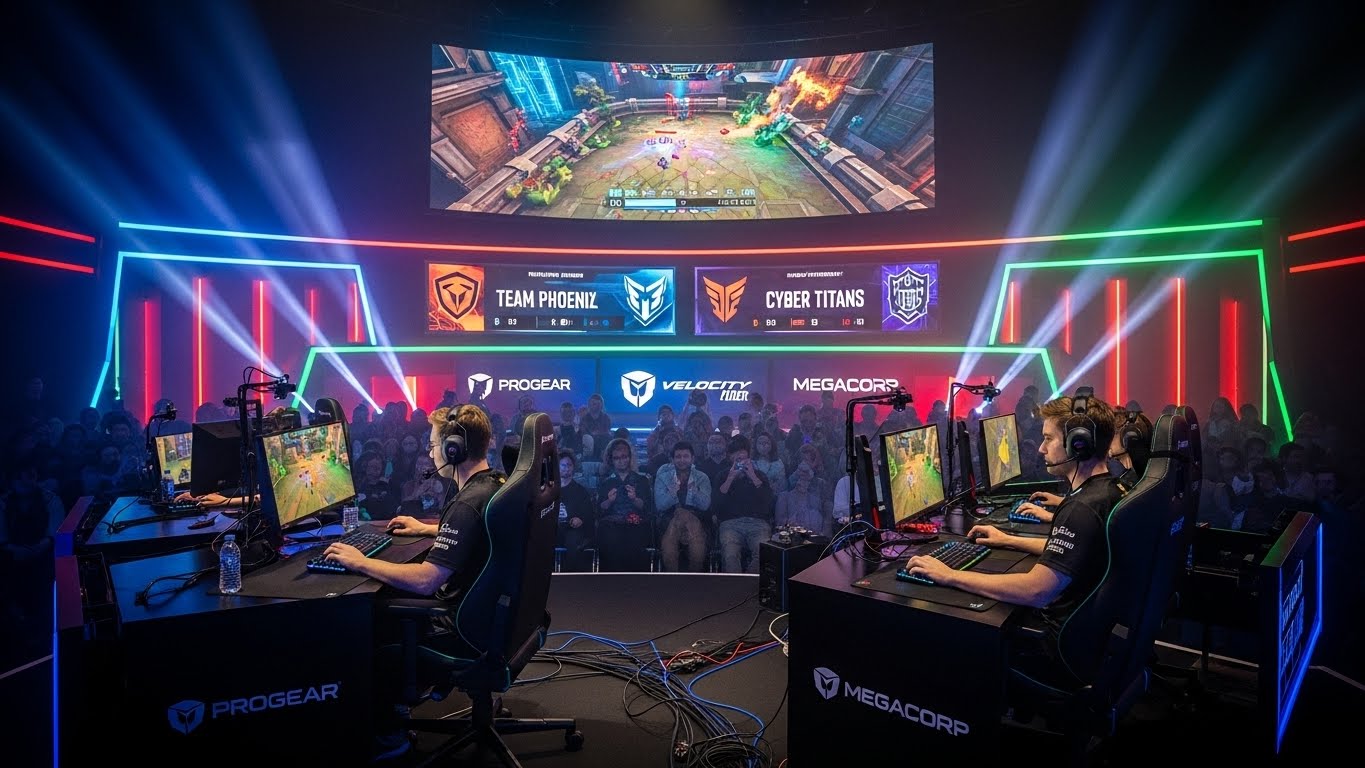
Esports, or competitive video gaming, has evolved from a niche hobby into a global phenomenon. What was once a pastime for enthusiasts has grown into a multi-billion-dollar industry, attracting millions of viewers, sponsors, and professional players worldwide. With tournaments filling stadiums, players earning salaries rivaling traditional athletes, and fan bases as passionate as those of major sports teams, esports is reshaping the landscape of competition and entertainment. This blog explores the rise of esports, its impact on society, the challenges it faces, and the future it promises.
The Rise of Esports
Esports did not emerge overnight. Its roots trace back to the early days of video gaming in the 1970s and 1980s, when arcades hosted competitions for games like Space Invaders and Pac-Man. The 1990s introduced multiplayer games such as Doom and StarCraft, allowing players to compete through local networks and early online connections.
The 2000s saw a surge in esports popularity with the emergence of platforms like Twitch and YouTube, which allowed players to broadcast matches to a global audience. Today, esports tournaments fill arenas and draw millions of online viewers, with games ranging from first-person shooters and strategy games to sports simulations and battle royale titles. The journey of esports reflects both technological advancement and the growing recognition of gaming as a legitimate competitive pursuit.
The Economics of Esports
Esports is now a major economic driver. Revenue streams include sponsorships, advertising, merchandise, ticket sales, and media rights. Major brands, recognizing the engagement of esports audiences, invest heavily in sponsoring teams, tournaments, and streaming events.
Professional esports players can earn substantial incomes through salaries, prize winnings, and brand endorsements. In some cases, top-tier players earn more than athletes in traditional sports. Furthermore, the industry generates jobs beyond players, including commentators, analysts, coaches, event organizers, and marketing professionals, reflecting its broad economic impact.
The Global Esports Community
One of the most remarkable aspects of esports is its global reach. Players and fans from diverse backgrounds and countries come together through gaming. International tournaments foster cultural exchange and create communities united by a shared passion.
The sense of belonging within esports communities is particularly strong. Online platforms allow fans to discuss strategies, share highlights, and support their favorite teams. This global interconnectedness highlights how esports is not just entertainment, but also a social phenomenon connecting people across borders.
Esports as a Career Path
Esports has created legitimate career opportunities for players and professionals alike. Professional players undergo rigorous training schedules, often comparable to traditional athletes, including practice sessions, physical fitness routines, and mental conditioning.
Beyond playing, esports offers careers in coaching, game analysis, broadcasting, event management, and content creation. Colleges and universities have even begun offering scholarships for esports athletes, acknowledging the skill, dedication, and strategic thinking required to excel in competitive gaming.
Mental and Cognitive Benefits of Esports
Contrary to common misconceptions, esports can provide significant mental and cognitive benefits. Competitive gaming requires quick thinking, strategic planning, and multitasking. Players must analyze complex situations, make split-second decisions, and adapt to constantly changing scenarios.
Esports can also improve hand-eye coordination, memory, and problem-solving skills. Furthermore, team-based games foster communication, collaboration, and leadership abilities. While moderation is important, engaging in esports can develop cognitive skills that are valuable in education, professional life, and personal growth.
Esports and Technology
Esports is inherently intertwined with technology. High-performance computers, gaming consoles, advanced graphics cards, and fast internet connections are essential for competitive play. Streaming platforms and broadcasting software allow players to reach global audiences instantly.
Moreover, data analytics and performance tracking are increasingly integrated into professional esports. Players analyze metrics such as reaction times, movement efficiency, and game-specific strategies to optimize performance. The technological foundation of esports demonstrates how innovation and entertainment can coexist, driving both industry growth and player development.
The Role of Esports in Entertainment
Esports has transformed how people consume entertainment. Unlike traditional sports, esports provides interactive experiences, allowing viewers to engage in real-time, switch camera angles, or follow specific players. Tournaments are often broadcast with expert commentary, creating an immersive spectator experience.
Streaming platforms have turned esports into a participatory culture. Fans can interact with players, join communities, and even participate in amateur competitions, blurring the line between consumer and participant. This interactivity enhances the appeal of esports, especially among younger audiences who value engagement and community.
Esports and Education
Esports is increasingly being recognized as a tool for education. Colleges and schools incorporate esports programs to teach teamwork, strategic thinking, and digital literacy. Participating in esports requires discipline, practice, and time management—skills directly transferable to academic and professional environments.
Some educational programs integrate esports with studies in technology, media, and business, providing students with practical experience in areas such as game development, event management, and marketing. In this sense, esports serves as both a recreational activity and a platform for skill-building and career preparation.
Challenges in Esports
Despite its growth, esports faces several challenges. One major concern is player health, as prolonged gaming can lead to physical strain, poor posture, and eye problems. Mental health is also a consideration, with stress, burnout, and pressure from competition affecting players.
Additionally, issues such as cheating, match-fixing, and toxic behavior in online communities can undermine the integrity of esports. The industry must address these challenges through regulation, mental health support, and community guidelines to maintain sustainability and credibility.
The Future of Esports
The future of esports looks promising and dynamic. Emerging technologies like virtual reality, augmented reality, and cloud gaming are set to enhance the gaming experience further. VR esports tournaments could allow players and fans to immerse themselves in the game world like never before.
Global expansion will continue, with emerging markets embracing esports and increasing diversity in players and audiences. Integration with mainstream media and traditional sports organizations is likely to grow, bridging the gap between esports and conventional entertainment sectors.
Esports and Social Impact
Esports has significant social implications. It offers inclusive spaces where people of different ages, genders, and abilities can compete on equal footing. Games that emphasize strategy and teamwork allow individuals with varying skill sets to contribute meaningfully.
Esports also promotes cross-cultural understanding. Players collaborate with teammates and compete against opponents from around the world, fostering respect, communication, and global awareness. Community-driven initiatives, such as charity tournaments and educational programs, further illustrate the positive social impact of esports.
Conclusion: Beyond Gaming
Esports is more than just playing video games—it is a cultural, economic, and social phenomenon that is reshaping how people compete, connect, and consume entertainment. It has created new career paths, developed cognitive and social skills, and built global communities united by passion and strategy.
As technology continues to evolve, esports will expand its reach, offering immersive experiences, educational opportunities, and new avenues for personal and professional growth. While challenges exist, the potential of esports to inspire, entertain, and connect people worldwide is undeniable. Esports represents a future where competition, creativity, and community converge, proving that gaming is not merely a hobby, but a transformative force in the digital age.