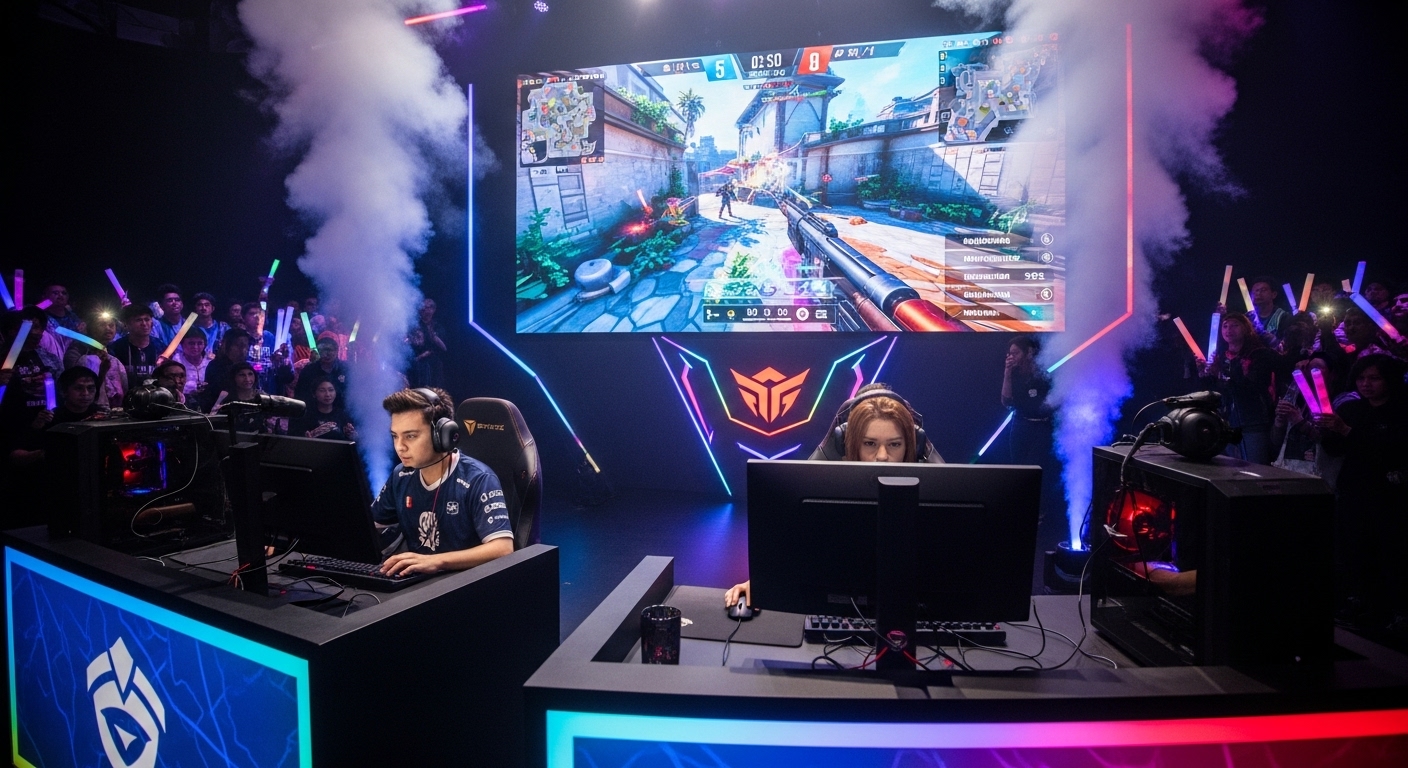
The world of esports has exploded into a massive global industry, with millions of fans tuning in daily to watch their favorite games, players, and teams compete. Behind every exciting match, there are voices that bring the game to life—casters and commentators. They are the narrators who add energy, insight, and emotion to the gameplay, transforming a visual experience into a thrilling story. Becoming a professional caster or commentator in esports is a dream for many passionate gamers and fans, but it takes more than just a love of games to make it in this highly competitive field. It requires skill, dedication, knowledge, communication ability, and a strong understanding of the games being covered.
This comprehensive guide will explore the steps, skills, and mindset needed to become a professional caster or commentator in esports. Whether you are an aspiring broadcaster, a player looking for a career shift, or simply a fan fascinated by the art of commentary, this article will help you understand what it takes to turn that passion into a profession.
Understanding the Role of a Caster or Commentator
Before diving into how to become one, it is crucial to understand what a caster or commentator actually does. In esports, casters are the voices that describe the on-screen action, analyze plays, and keep the audience engaged throughout the match. They can be divided into two main categories: play-by-play casters and color commentators.
Play-by-play casters are responsible for narrating the live action as it happens. They describe what is going on in real-time, ensuring the audience never misses a moment. Their role demands quick thinking, clarity, and energy. They need to maintain excitement and pace during intense gameplay moments.
Color commentators, on the other hand, focus more on analysis and insight. They explain strategies, break down plays, and provide background information about players or teams. This type of caster usually has a deep understanding of the game mechanics and competitive meta.
In professional esports broadcasts, these two roles often complement each other. The play-by-play caster brings energy and emotion, while the color commentator brings knowledge and context. Together, they create a balanced and engaging viewing experience.
Developing Deep Knowledge of the Game
No matter what type of caster you want to become, you must have a strong command of the game you are covering. Knowing every mechanic, map, character, and strategy is crucial for building credibility and delivering insightful commentary.
If you aim to become a professional caster for a specific title such as League of Legends, Dota 2, Counter-Strike, or Valorant, start by immersing yourself fully in the game. Watch professional matches, follow tournaments, and stay updated on meta shifts. Learn the language, terms, and strategies that players and analysts use.
Playing the game regularly is also important. Even if you are not a professional player, experiencing the gameplay firsthand helps you understand what is happening on screen. You can better anticipate player decisions, read situations quickly, and provide more accurate commentary.
Building Communication and Speaking Skills
At its core, casting is about communication. You may have all the game knowledge in the world, but if you cannot express it clearly and passionately, it will be difficult to connect with an audience. A great caster knows how to use their voice effectively, how to pace their speech, and how to build excitement through tone and timing.
One of the best ways to improve your speaking ability is through practice and feedback. Record yourself while casting over gameplay videos, then listen back to identify areas for improvement. Are you speaking too fast or too slow? Is your tone engaging or monotone? Are you using filler words excessively? Continuous self-evaluation and refinement are key.
You can also study professional broadcasters in both esports and traditional sports. Listen to how they manage tempo, emotion, and storytelling. Observe how they handle transitions between action and analysis. Mimic what works, then develop your own unique style over time.
Voice training is another valuable step. Learning how to control your breathing, project your voice, and articulate clearly can make a huge difference. You might even consider taking public speaking or acting classes to build confidence and improve delivery.
Understanding Storytelling in Esports
Every great broadcast tells a story. Esports casting is not just about describing actions—it’s about weaving narratives that keep viewers emotionally invested. A match becomes far more memorable when framed as a clash of styles, rivalries, or redemption arcs.
A skilled caster identifies these narratives and brings them to life. For example, if a team is facing elimination after losing the first two games, you can frame the situation as a potential comeback story. If two star players are facing off, you can emphasize their history and what is at stake.
Understanding how to build these storylines before, during, and after a match adds tremendous value to your commentary. It turns the viewing experience from simple gameplay into an emotional journey that resonates with audiences.
Practicing and Building a Portfolio
Just like any profession, you need to practice consistently and build a portfolio to showcase your talent. The easiest way to start is by casting community tournaments, online matches, or your own gameplay recordings.
Start small. Look for local events, amateur leagues, or online tournaments that need volunteer casters. Many smaller esports communities welcome aspiring commentators who are willing to contribute. These early experiences help you learn how to manage live broadcasts, deal with unexpected technical issues, and improve your overall flow.
Create highlight reels or demo reels featuring your best commentary moments. This becomes a key part of your professional portfolio when applying for casting opportunities. A well-edited demo reel should showcase your range, game knowledge, and on-camera presence.
You can also stream your casting sessions on platforms like YouTube or Twitch. This not only gives you exposure but also allows you to build an audience. Interacting with viewers can help you develop a better sense of pacing and engagement.
Networking and Building a Reputation
In esports, networking is essential. Many casting opportunities come through connections within the community rather than open job postings. Attending esports events, online tournaments, and conventions is a great way to meet other casters, players, and organizers.
Engage with the esports community on social media. Share your casting clips, comment on ongoing events, and participate in discussions. The more active and professional you are online, the more likely you are to be noticed by potential employers or collaborators.
Collaborate with other aspiring casters as well. Doing joint streams, co-commentary sessions, or mock tournaments can improve your chemistry and give you more material for your portfolio.
Remember, professionalism is key. Always treat your interactions with respect and integrity. Building a good reputation early on can open many doors in the industry.
Learning Technical and Production Skills
Casting is not just about speaking into a microphone—it also involves understanding the technical side of broadcasting. You should be familiar with streaming software like OBS, XSplit, or Streamlabs, as well as basic audio and video setup.
Good audio quality is critical. Invest in a decent microphone and learn how to balance your voice levels with game sounds. Poor sound quality can distract viewers and harm your credibility.
Additionally, understanding camera setups, overlays, and production workflows can make you more valuable to small tournaments or startup organizations. Sometimes, you might be expected to handle parts of the production yourself, especially early in your career.
The more versatile you are, the more opportunities you can access.
Gaining Experience Through Volunteer Opportunities
In the beginning, many aspiring casters volunteer their time to gain experience. While it may not be glamorous or financially rewarding right away, this stage is crucial for developing your skills and building your name in the industry.
Community leagues, charity tournaments, and university events often rely on volunteers for commentary. These opportunities give you a platform to experiment with your style, receive feedback, and make valuable connections.
As you gain more experience, you can start applying to semi-professional or professional events. Eventually, you can transition into paid gigs once you have proven your ability and reliability.
Building an Online Presence
In the modern esports landscape, having an online presence is nearly as important as your casting ability. Viewers and organizers often discover new casters through social media platforms and streaming sites.
Create professional profiles on platforms like Twitter, Instagram, and YouTube. Use these to share casting highlights, opinions on tournaments, and insights about the game. Consistent, high-quality content will help you stand out and demonstrate your expertise.
Streaming regularly can also build a personal brand. Even if you are not casting major events, streaming your analysis or commentary on current esports matches can attract followers who appreciate your perspective. Over time, your growing audience can make you more appealing to event organizers.
Understanding the Business Side of Casting
Once you start receiving offers for paid gigs, you need to understand the business side of being a caster. This includes knowing how to negotiate contracts, manage your schedule, and handle finances.
Make sure you understand your rights as a freelancer. Read every contract carefully before signing and ensure that you are fairly compensated for your time and effort.
Some casters work full-time for specific organizations, while others operate as independent freelancers. Each path has its advantages. Working full-time provides stability, while freelancing allows flexibility and creative freedom.
As you grow, you may also consider getting representation or joining an agency that manages esports talent. This can help you secure better deals and expand your reach.
Staying Adaptable and Open to Feedback
The esports industry evolves rapidly. New games rise in popularity, formats change, and audiences shift. As a caster, staying adaptable is vital. You should be willing to learn new games, update your knowledge, and adjust your commentary style based on audience preferences.
Feedback is also an essential part of growth. Listen to advice from fellow casters, producers, and viewers. Constructive criticism helps you identify blind spots and improve your performance.
Even seasoned professionals continue to refine their craft by analyzing their broadcasts and experimenting with new techniques.
The Path from Amateur to Professional
The journey to becoming a professional caster is not a straight line. It often involves years of consistent practice, patience, and perseverance. Many well-known casters today began by commentating on small online tournaments or even recording voiceovers at home.
As your experience and recognition grow, opportunities with larger tournaments and production companies will begin to appear. You might start with minor regional leagues, move on to national competitions, and eventually reach international events.
The key is persistence. Keep improving, keep networking, and keep putting yourself out there. Every event, no matter how small, is a stepping stone toward your goal.
Maintaining Professionalism and Ethics
Being a caster means being the public voice of the game and event. Professionalism and ethics are crucial for maintaining credibility and respect. Always remain neutral, avoid personal biases, and treat all players and teams with fairness.
Avoid controversial statements or behavior that could damage your reputation. Remember, the esports community is tight-knit, and word travels fast. Your reputation as a trustworthy and respectful commentator will help you secure long-term success.
Continuous Learning and Growth
Esports casting is an evolving craft. The best commentators never stop learning. Whether it’s studying new strategies, improving voice control, or mastering emerging broadcast technology, ongoing development is essential.
You can also broaden your knowledge beyond just esports. Learn about traditional sports commentary, media production, or even journalism. These skills can make you more versatile and professional.
Attending workshops, seminars, or networking events can also provide fresh insights and opportunities to learn from industry veterans.
Conclusion
Becoming a professional caster or commentator in esports is an exciting and rewarding career path. It combines the thrill of competition with the art of storytelling, allowing you to share your passion with millions of fans around the world. However, success in this field requires far more than enthusiasm—it demands preparation, communication skills, adaptability, and persistence.
From mastering your chosen game to developing your voice, networking within the community, and building an online brand, every step you take brings you closer to your goal. The journey may be challenging, but for those who love esports and have a talent for communication, there is no better way to be part of the action.