
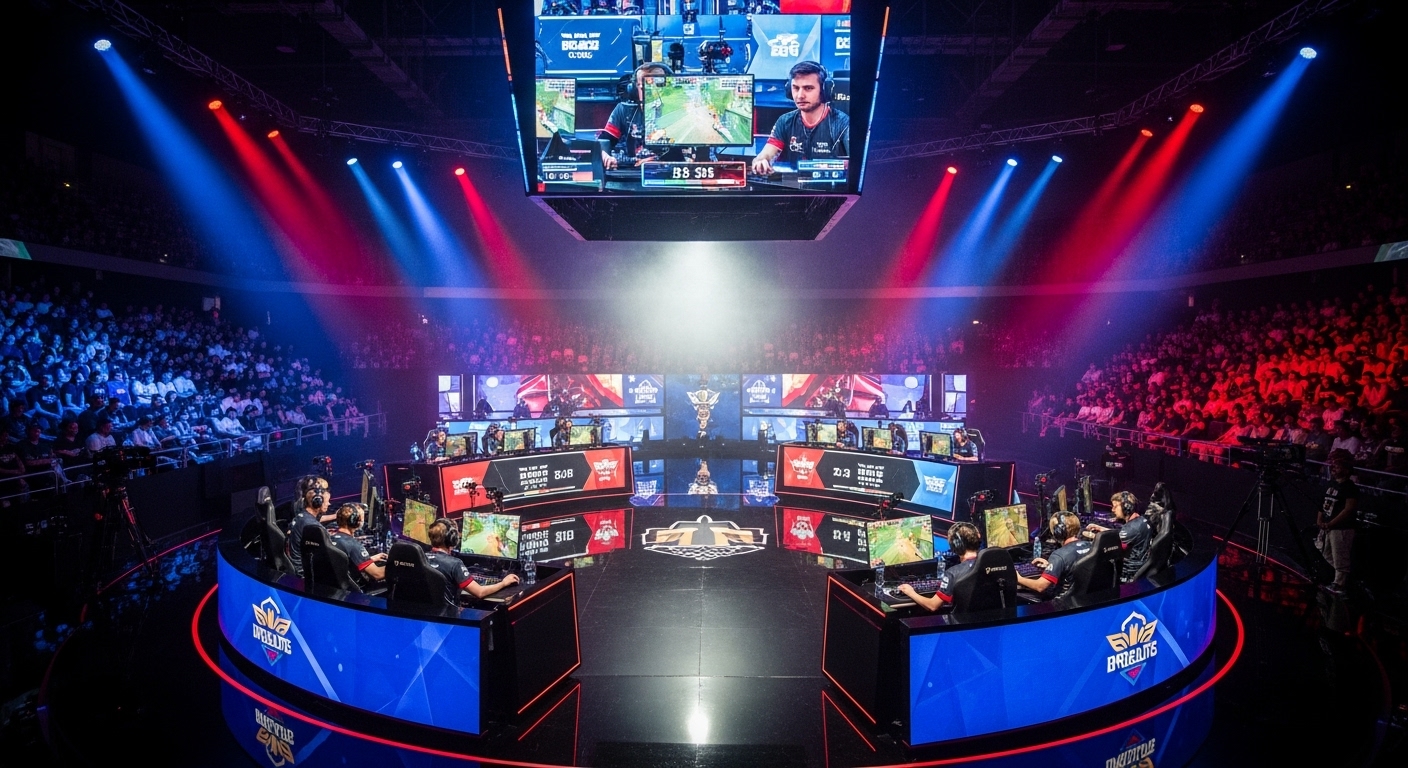
Esports has grown from a niche hobby into a global phenomenon, captivating millions of players and viewers worldwide. It blends strategy, skill, and technology to create competitive experiences that rival traditional sports. With professional leagues, international tournaments, and passionate fan communities, esports is more than gaming—it’s a cultural and economic force shaping the future of entertainment.
The Rise of Esports
Esports began as small gaming competitions among friends and local communities. Over time, improved technology, high-speed internet, and streaming platforms allowed these contests to expand into international events. Today, esports tournaments fill massive arenas, attract millions of online viewers, and generate significant revenue, demonstrating the industry’s enormous growth and influence.
The Skill and Dedication Behind Esports
Professional esports players are not casual gamers—they are athletes in their own right. Competing at the highest level requires intense practice, strategic thinking, quick reflexes, and teamwork. Games such as multiplayer online battle arenas, first-person shooters, and real-time strategy titles demand coordination and precision, challenging players mentally and physically, similar to traditional sports training.
Building a Global Community
One of esports’ most remarkable aspects is its ability to unite people worldwide. Players, fans, and content creators connect through tournaments, streaming platforms, and online communities. This global interaction fosters friendships, cultural exchange, and shared enthusiasm for competitive gaming. Esports has become a platform where people from diverse backgrounds can collaborate, compete, and celebrate together.
Career Opportunities in Esports
The esports industry extends far beyond professional players. Coaches, commentators, analysts, event organizers, and content creators all play essential roles. Additionally, marketing specialists, developers, and designers contribute to building immersive experiences. Educational programs focused on esports management and game development are emerging, reflecting its legitimacy as a professional and sustainable industry.
Technology Driving the Esports Revolution
Esports owes much of its growth to technological advancements. High-performance computers, gaming peripherals, fast internet connections, and advanced streaming software make global competitions possible. Emerging technologies such as virtual reality and artificial intelligence are creating new ways to experience games, increasing immersion and innovation in competitive play.
The Future of Esports
Esports is poised for continued growth and mainstream recognition. As investment, infrastructure, and media coverage increase, the industry will attract even more players and fans. Innovations in game design, virtual reality, and global connectivity will redefine how competitions are experienced. Esports is not just changing gaming—it is shaping a new era of digital entertainment and global collaboration.
Esports is more than playing games—it is a fusion of skill, strategy, technology, and community. It challenges players, connects fans worldwide, and creates career opportunities in ways that were unimaginable a few decades ago. As the industry grows, esports will continue to redefine competitive entertainment for generations to come.