
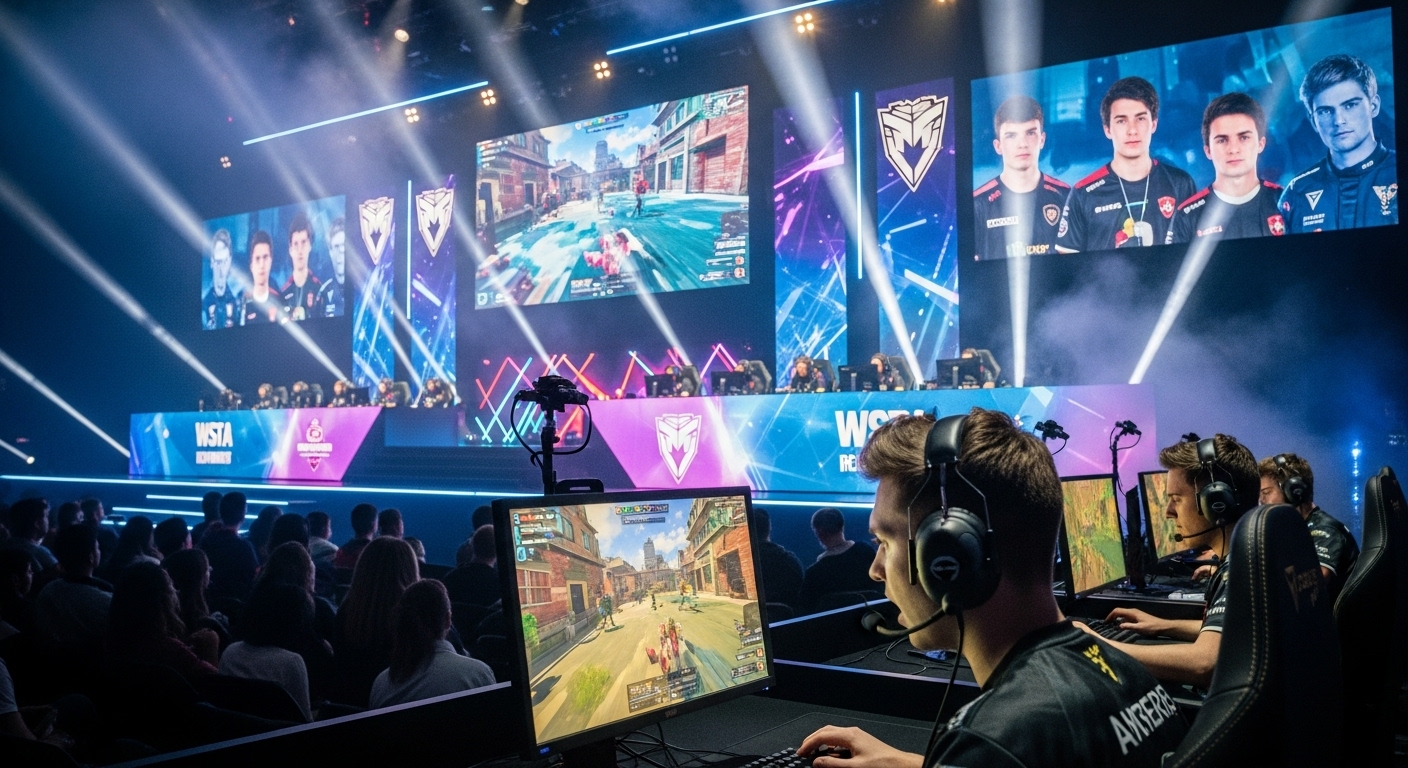
Esports, or electronic sports, have evolved from a niche hobby to a global phenomenon in just a few decades. The competitive gaming scene has grown exponentially, with millions of players and viewers participating in this digital arena. From casual online tournaments to multi-million-dollar global championships, esports has firmly established itself as one of the most influential and rapidly growing industries in the world. In this blog post, we’ll explore the rise of esports, its cultural impact, the future of the industry, and why it is much more than just “playing video games.”
The Early Days of Esports: From Arcade Competitions to Online Tournaments
Esports has its roots in the early days of competitive gaming, when players would gather at arcades or local LAN (Local Area Network) parties to challenge one another. Games like Street Fighter, Doom, and Quake laid the foundation for what would eventually become a global industry. These early competitions were informal and relatively small in scale, but they introduced the idea of competitive gaming to a dedicated community of players.
As the internet became more widespread in the late 1990s and early 2000s, the potential for online multiplayer games blossomed. Games like StarCraft, Warcraft III, and Counter-Strike set the stage for larger, more organized online tournaments. The rise of dedicated esports organizations and streaming platforms like Twitch provided the infrastructure needed for esports to flourish in the digital age.
The Globalization of Esports: How the Industry Took Off
One of the most fascinating aspects of esports is its rapid globalization. While competitive gaming initially found a foothold in North America, Europe, and South Korea, it has now become a global phenomenon, with major tournaments and leagues spanning continents. For instance, the League of Legends World Championship, one of the most-watched esports events in the world, draws viewers from every corner of the globe. Similarly, the Dota 2 International offers one of the largest prize pools in esports history, showcasing the financial potential of the industry.
The rise of streaming platforms like Twitch, YouTube Gaming, and Facebook Gaming also played a critical role in esports’ global growth. These platforms allowed players to not only compete but also share their gameplay experiences with audiences around the world. This shift from traditional broadcast media to digital streaming opened new revenue streams, creating opportunities for sponsorships, advertising, and fan engagement.
The Esports Ecosystem: Teams, Tournaments, and Sponsorships
Esports is not just about players; it is a thriving ecosystem that involves teams, sponsors, tournament organizers, broadcasters, and, of course, fans. Professional esports teams are now structured much like traditional sports teams, with players, coaches, analysts, and support staff working together to achieve success. Teams compete in regional leagues and international tournaments across various games such as Valorant, Fortnite, Overwatch, and Call of Duty.
Tournaments have become major spectacles, often filling arenas and drawing millions of online viewers. Some of the biggest events, such as The International and League of Legends World Championship, have prize pools worth tens of millions of dollars. This growing financial investment has also led to increased sponsorship deals from top brands in tech, sports, and lifestyle industries, further cementing esports as a mainstream entertainment sector.
Esports as a Career Path: From Players to Content Creators
For many gamers, esports has opened the door to professional careers. Top players can sign contracts with esports organizations, participate in tournaments, and earn salaries from prize winnings and sponsorships. However, the esports career path is not limited to just competitive players. Content creation has become a major avenue for gamers to turn their passion into a profession. Streamers and influencers on platforms like Twitch and YouTube can generate significant income through subscriptions, donations, and brand deals.
The rise of esports has also led to the development of other career opportunities within the industry, including roles in event management, broadcasting, marketing, coaching, and analytics. As the industry continues to grow, the demand for skilled professionals in various fields is expected to increase, making esports a viable career path for many.
The Cultural Impact of Esports: Connecting a New Generation
Esports has had a profound impact on popular culture, influencing everything from fashion and music to social media trends. The rise of gaming as a spectator sport has created a new form of entertainment, where fans engage with their favorite teams and players in real-time. This interactive fan experience has helped cultivate a strong sense of community, with esports fans bonding over their shared love for games and players.
Moreover, esports has given rise to a new type of celebrity. Esports athletes like Faker, Ninja, and Shroud have become household names, with millions of followers across social media platforms. These players are not just competitive gamers but also influencers and role models for aspiring gamers around the world. Their success stories have inspired a generation of young people to pursue gaming not just as a hobby, but as a legitimate career.
The Future of Esports: Challenges and Opportunities
While the esports industry has experienced explosive growth, there are still challenges that need to be addressed. Issues such as player burnout, mental health, and the sustainability of tournament formats remain ongoing concerns. Additionally, as the industry becomes more professionalized, there is an increased focus on regulation, fair play, and ensuring that esports remains accessible to all players, regardless of skill level or geographic location.
Looking ahead, the future of esports seems bright. With technological advancements in virtual reality (VR) and augmented reality (AR), the way we experience competitive gaming could change dramatically. The integration of esports into mainstream entertainment venues like television broadcasts and sports networks may also broaden its appeal to a larger audience. Furthermore, the continued rise of mobile gaming and the increasing popularity of esports in emerging markets like China, India, and Latin America will further fuel the industry’s growth.
Conclusion: Esports as the Next Frontier of Entertainment
Esports has come a long way since its humble beginnings. What started as a niche interest has grown into a global phenomenon that rivals traditional sports in terms of viewership, revenue, and cultural impact. As the industry continues to evolve, esports will undoubtedly shape the future of entertainment, creating new opportunities for players, creators, and fans alike.
Whether you’re a seasoned player, a casual viewer, or someone who’s just beginning to explore the world of esports, one thing is clear: competitive gaming is here to stay, and its influence will only continue to grow in the years to come.