
Introduction
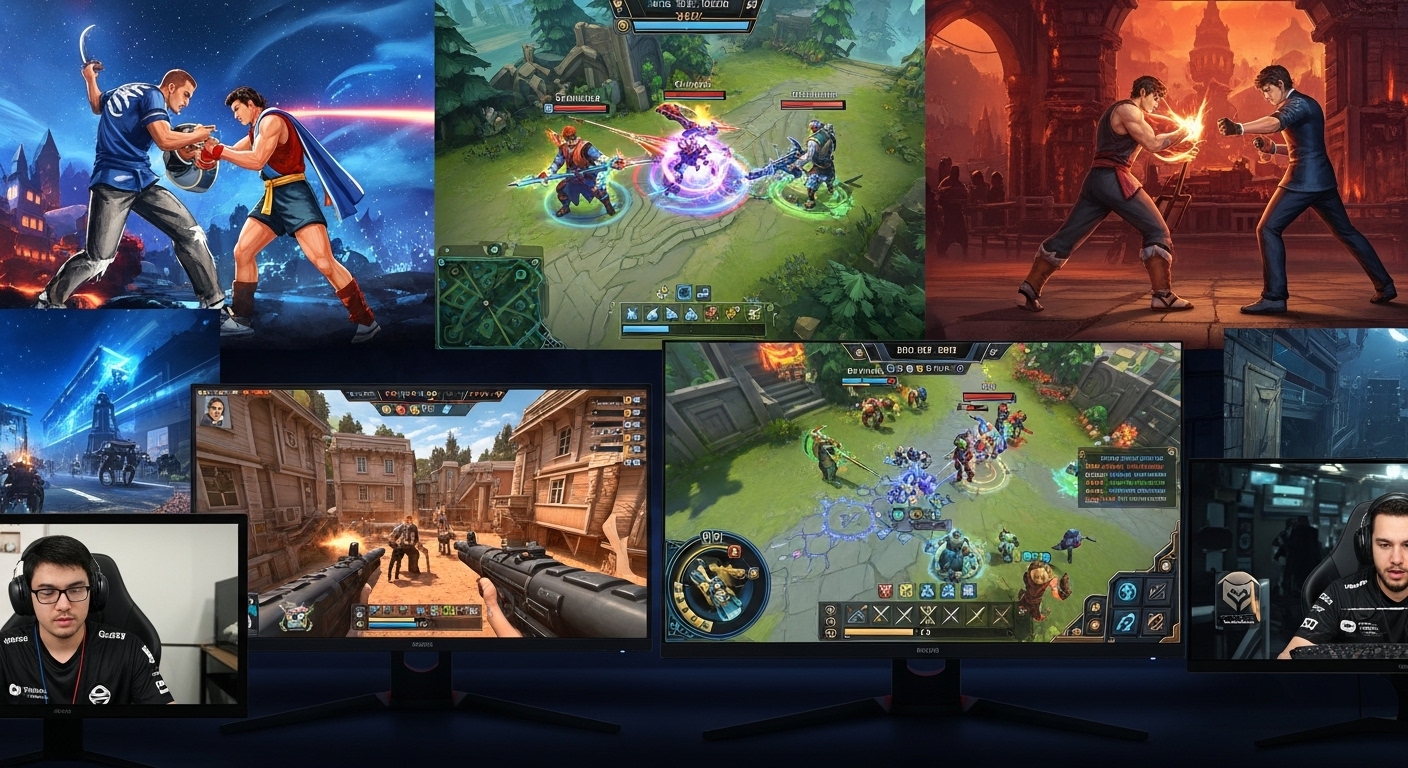
Esports has transformed the way we perceive competition. What was once seen as casual gaming is now a professional arena where players compete for fame, fortune, and global recognition. With millions of fans worldwide and tournaments that rival traditional sports, esports has become a cultural and technological phenomenon that continues to grow.
The Evolution of Esports
Esports started with simple multiplayer games in arcades and local networks. Over time, competitive gaming evolved with advanced graphics, online connectivity, and organized tournaments. Games like strategy, first-person shooters, and battle arenas became staples of competitive play. Today, esports is a multi-billion-dollar industry, attracting professional teams, sponsors, and audiences that fill stadiums and stream online in the millions.
Professional Players and Teams
Professional esports players are not just gamers—they are athletes in every sense. Rigorous training, strategic thinking, and teamwork are essential to succeed. Many players dedicate hours each day to practice, analyzing opponents’ strategies and perfecting their own skills. Teams function with coaches, analysts, and support staff, turning gaming into a serious career path that demands discipline, focus, and resilience.
Global Tournaments and Fan Culture
Esports tournaments are massive events that bring players and fans together. From local competitions to international championships, these events showcase incredible talent and generate worldwide excitement. Fan culture thrives with live streaming, cosplay, fan art, and online communities. Esports fans are highly engaged, creating a passionate ecosystem that rivals traditional sports fandom.
The Impact of Technology
Technology is the backbone of esports. High-speed internet, powerful gaming PCs, and streaming platforms allow competitions to be broadcast worldwide. Innovations like virtual reality and augmented reality are beginning to enhance the viewer experience. Without technological advancements, the global reach and popularity of esports would not be possible.
Career Opportunities Beyond Playing
Esports is not limited to players alone. Coaches, analysts, commentators, event organizers, and content creators contribute to the industry. Marketing, broadcasting, and sponsorship opportunities are also expanding. The growth of esports has created an ecosystem where creativity, strategy, and business intersect, offering multiple career paths.
The Future of Esports
The future of esports is bright and full of potential. With increasing investment, technological innovation, and mainstream recognition, esports is likely to become even more influential. Integration with education, health, and entertainment sectors will further solidify its place in global culture. As esports continues to evolve, it challenges traditional notions of sports and competition.
Conclusion
Esports is more than just playing video games—it is a professional, cultural, and technological movement. It brings people together, creates opportunities, and pushes the boundaries of competition in the digital age. The rise of esports shows that the world of gaming is not just entertainment—it is a new arena where skill, strategy, and passion define champions.