
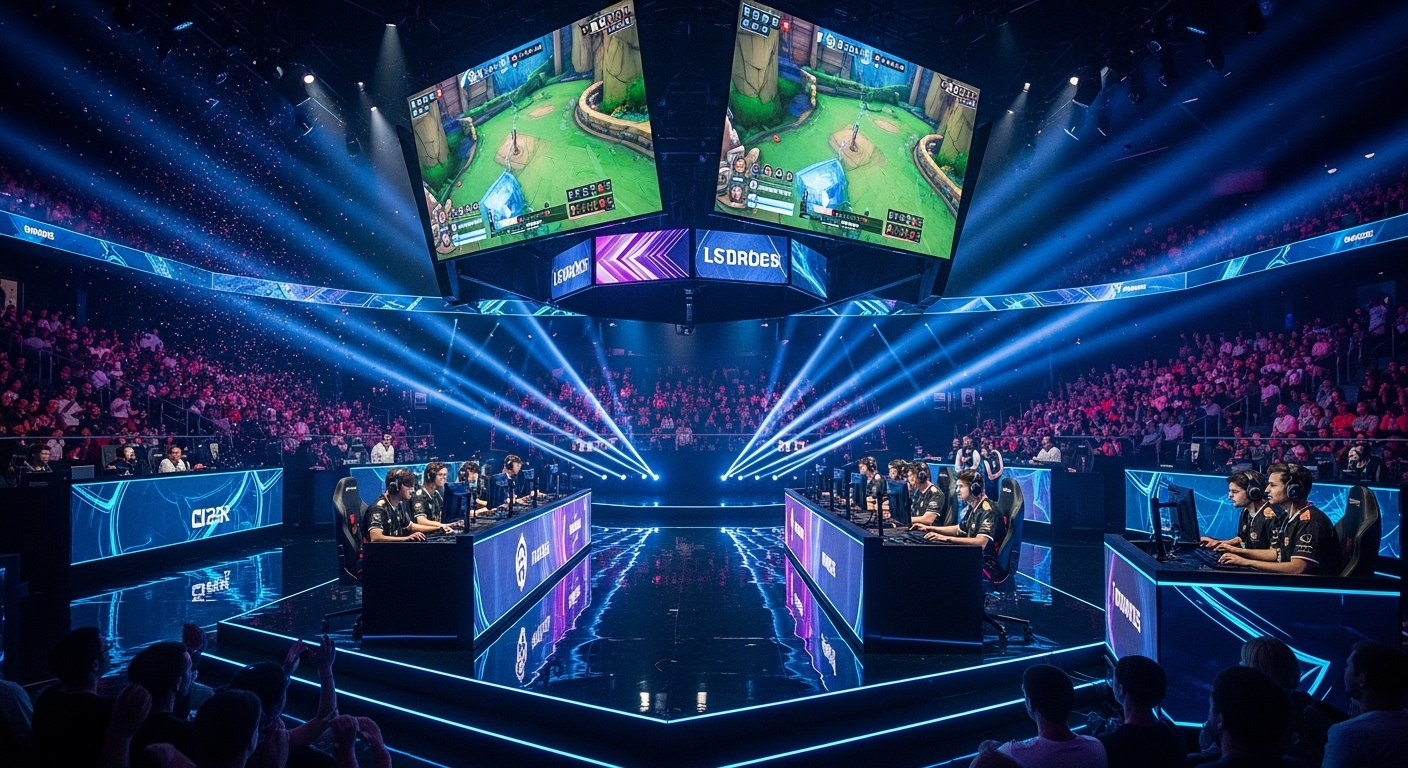
Esports, short for electronic sports, has transformed from a niche hobby into a global phenomenon over the past decade. What started as casual online matches among friends has evolved into a multi-billion-dollar industry attracting millions of viewers worldwide. This rapid growth reflects the shifting landscape of entertainment and sports in the digital age.
Understanding Esports: More Than Just Gaming
At its core, esports involves competitive video gaming where players and teams compete in popular titles such as League of Legends, Dota 2, Fortnite, and Counter-Strike. Unlike traditional sports, esports competitions happen in virtual arenas but share the same intensity, strategy, and passion. Players train rigorously, often dedicating hours daily to sharpen their skills, teamwork, and communication, highlighting the professionalism within the scene.
The Explosion of Esports Audiences
One of the most remarkable aspects of esports is its massive and rapidly expanding fan base. Millions of viewers tune in to watch live-streamed tournaments and leagues on platforms that specialize in gaming content. Unlike traditional sports, esports enjoys a younger demographic, primarily millennials and Gen Z, who connect deeply with the gaming culture and its personalities.
Economic Impact and Industry Growth
Esports is no longer a side gig but a flourishing industry generating substantial revenue through sponsorships, advertising, merchandise, and ticket sales. Major corporations have recognized esports’ potential, investing heavily to align their brands with the passionate and engaged audiences. This influx of money has fueled the development of state-of-the-art arenas, improved production quality, and increased prize pools for players.
The Role of Technology and Streaming Platforms
The growth of esports is closely tied to advancements in technology. High-speed internet, streaming platforms, and social media have allowed fans worldwide to watch live events effortlessly and interact with players and other fans. These platforms have created communities where gamers share tips, celebrate victories, and analyze gameplay, fostering a sense of belonging.
Challenges and Future Prospects
Despite its success, esports faces challenges such as player burnout, regulation issues, and the need for sustainable career paths for athletes. However, the future looks promising as more educational institutions offer esports scholarships, and governing bodies work toward establishing standardized rules and player protections.
Conclusion
Esports represents a remarkable fusion of competition, technology, and culture. Its meteoric rise is a testament to how digital platforms can redefine traditional forms of entertainment. As the industry continues to mature, esports will likely become an even more significant part of the global sporting and entertainment landscape, captivating audiences and inspiring a new generation of gamers.