
Introduction: The New Era of Competition
For decades, competitive sports have been defined by physical ability — the speed of a runner, the accuracy of a quarterback, or the agility of a tennis player. But in the last twenty years, a new kind of athlete has emerged. They don’t sprint across fields or swing bats. Instead, they battle with keyboards, controllers, and lightning-fast reflexes in front of glowing screens. These are the competitors of Esports, a global phenomenon that has redefined what it means to be a professional athlete in the digital age.
Esports, short for “electronic sports,” refers to organized, competitive video gaming. What began as small tournaments between friends has evolved into an industry worth billions, with global audiences, corporate sponsors, and professional players earning six-figure salaries. From humble beginnings in internet cafés to sold-out arenas, Esports has become one of the most influential cultural movements of the 21st century.
The Origins of Competitive Gaming
To understand the present, it helps to rewind to the early days of gaming. Competitive gaming didn’t start with modern titles like League of Legends or Counter-Strike. In fact, its roots go back to the 1970s. One of the first recorded gaming competitions took place at Stanford University in 1972, where players faced off in the space combat game “Spacewar.” The prize? A year’s subscription to Rolling Stone magazine.
During the 1980s, the arcade era gave birth to the first public recognition of top gamers. Titles like Pac-Man, Donkey Kong, and Space Invaders became household names. Arcades were gathering places for high scores and local fame. In 1982, the “Space Invaders Championship” attracted more than ten thousand participants in the United States, marking one of the first large-scale gaming competitions.
But it wasn’t until the late 1990s that Esports began to take the shape we recognize today. The arrival of the internet changed everything. Multiplayer games like Quake, StarCraft, and Counter-Strike allowed players to compete across countries. LAN parties — where players brought their computers to a shared space — became the early hub of competitive gaming culture.
The 2000s: The Foundation of Modern Esports
The 2000s were a transformative decade. Broadband internet became more accessible, online platforms grew, and PC gaming flourished. South Korea emerged as the global leader in competitive gaming. The government invested in high-speed internet infrastructure, and internet cafés, known as PC bangs, became cultural centers for gaming.
Games like StarCraft: Brood War became national obsessions. Players such as Lim “BoxeR” Yo-hwan were treated like celebrities, appearing on TV and commanding massive fanbases. South Korea’s early embrace of professional gaming set the blueprint for the global Esports industry: professional teams, structured leagues, and televised matches.
Meanwhile, in the West, competitive gaming was still finding its footing. Early tournaments like the Cyberathlete Professional League (CPL) and Major League Gaming (MLG) brought legitimacy to the scene. Titles like Counter-Strike, Halo, and Warcraft III cultivated dedicated player communities. Though smaller than their Asian counterparts, these events laid the groundwork for Esports as a spectator sport.
The 2010s: The Explosion of Esports
If the 2000s were the foundation, the 2010s were the explosion. This was the decade when Esports went mainstream. Streaming platforms like Twitch and YouTube Gaming changed everything. For the first time, fans could watch live matches from anywhere in the world, interact with players, and become part of online communities in real time.
Titles like League of Legends, Dota 2, and Counter-Strike: Global Offensive dominated the Esports landscape. Riot Games’ League of Legends built an entire competitive ecosystem, featuring regional leagues and an annual World Championship that attracted millions of viewers. Valve’s Dota 2 introduced The International, an annual tournament funded through community contributions. Its prize pools surpassed tens of millions of dollars, a testament to how invested fans had become.
First-person shooters like Overwatch and Call of Duty created their own professional leagues, backed by major organizations and city-based franchises. By the late 2010s, Esports was filling arenas once reserved for concerts or basketball games. Events like the Intel Extreme Masters in Katowice and The International in Vancouver proved that Esports wasn’t just an internet trend — it was a legitimate global entertainment industry.
The Culture of Esports
Beyond competition, Esports developed a vibrant and unique culture. Players became influencers, streamers became entertainers, and gaming houses replaced traditional training centers. Esports fans are some of the most engaged communities online. They don’t just watch games — they analyze strategies, discuss patches, create fan art, and follow their favorite players like sports fans follow footballers.
The personalities within Esports also helped define its identity. Some players became symbols of excellence and discipline, like Faker from League of Legends — often called the “Michael Jordan of Esports.” Others were known for their charisma, streaming presence, or controversial moments.
Esports also became a gateway for youth culture. For many young people, being part of an Esports community meant finding belonging and shared passion. The line between professional player, fan, and content creator blurred. Unlike traditional sports, Esports offered direct access to its heroes through chat, social media, and streaming.
The Business of Esports
Behind the flashy tournaments and highlight reels lies a complex business ecosystem. Esports isn’t just about competition; it’s a full-fledged industry involving media rights, sponsorships, merchandising, and more.
Teams function much like traditional sports franchises. They sign players, negotiate sponsorships, and manage content production. Top-tier organizations such as T1, Fnatic, Cloud9, and Team Liquid are now global brands with millions of followers.
Sponsorship remains the lifeblood of Esports revenue. Technology companies, beverage brands, and even car manufacturers have poured millions into the space to reach younger audiences. Broadcasting rights are another major stream, as networks and online platforms pay to air tournaments.
Prize pools, while headline-grabbing, are just one piece of the puzzle. The larger goal for most organizations is building sustainable ecosystems through long-term partnerships, fan engagement, and media presence. Esports is no longer a hobby; it’s a business with structure, strategy, and professional management.
The Global Reach of Esports
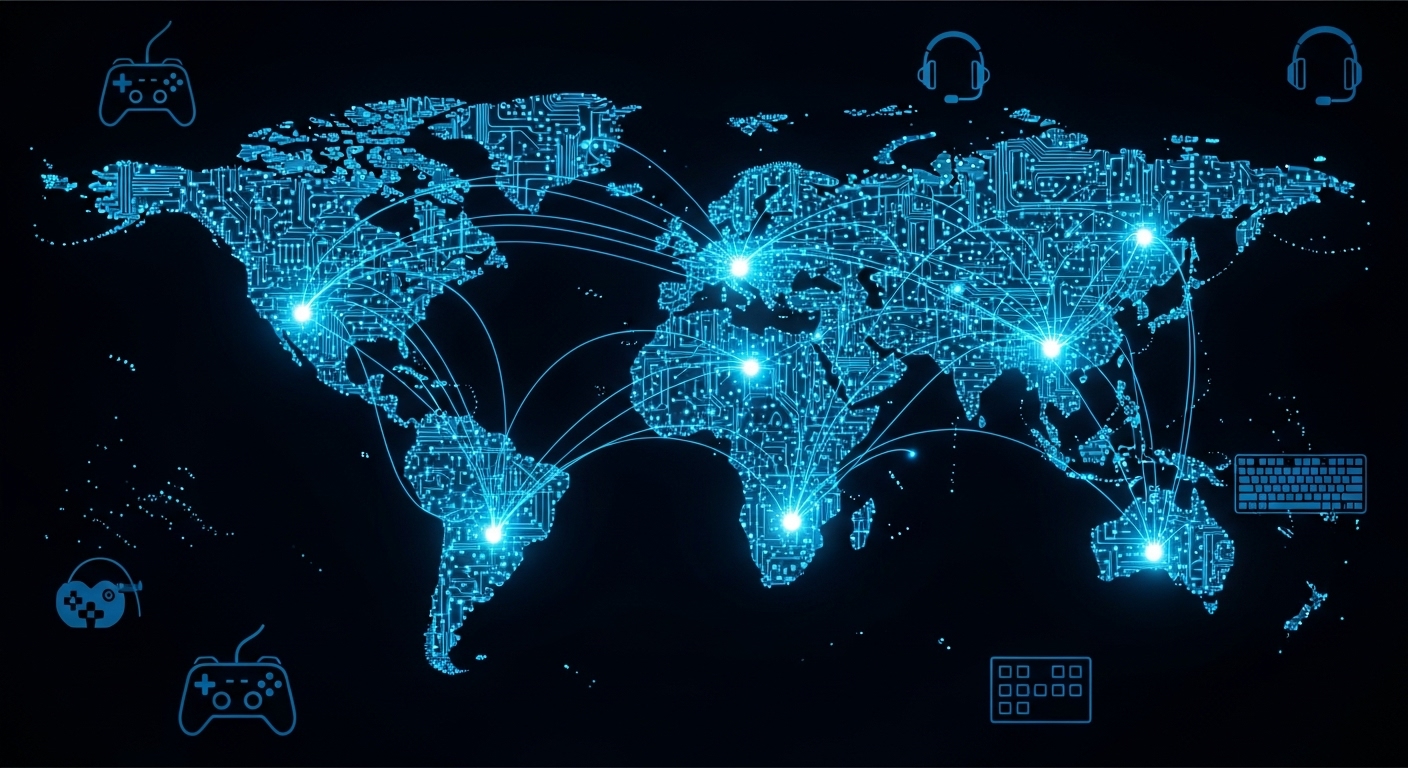
Esports is one of the few industries that truly transcends borders. Whether you’re in Seoul, Los Angeles, Berlin, or São Paulo, the passion for gaming connects people across cultures.
Asia remains a dominant force, especially countries like South Korea and China, which host massive tournaments and produce top-tier talent. North America has built strong franchise-based leagues, while Europe has cultivated powerhouse teams and innovation in game development. Meanwhile, regions like Latin America, the Middle East, and Africa are emerging as new frontiers, driven by growing internet access and youth populations.
In 2018, Esports reached a milestone when it was featured as a demonstration event at the Asian Games. Discussions continue about whether it should be included as a full Olympic sport — a topic that divides traditionalists and digital enthusiasts alike.
The Training and Discipline of Esports Athletes
One common misconception about Esports players is that they simply “play games all day.” In reality, professional gamers follow strict routines that rival those of physical athletes.
A typical training day might include several hours of scrimmages, mechanical practice, and team strategy meetings. Players study opponents, review match footage, and work with coaches who specialize in strategy, psychology, and communication. Nutritionists and physical trainers are also becoming part of Esports organizations, helping players manage the toll of long hours in front of screens.
Reaction time, decision-making under pressure, and hand-eye coordination are all crucial skills. Studies have shown that professional gamers can have reaction times comparable to fighter pilots. The mental endurance required to perform at the highest level is immense — every click and movement can mean the difference between victory and defeat.
The Technology Behind the Scene
The success of Esports is deeply tied to technology. High-speed internet, powerful gaming hardware, and advanced broadcasting tools have made global tournaments possible. Game developers now design titles with competitive balance and spectator experience in mind.
Production quality in major tournaments rivals that of Hollywood broadcasts. From real-time replays to augmented reality stage effects, Esports events are multimedia spectacles. Behind the scenes, massive server infrastructures ensure low latency and smooth gameplay across continents.
The rise of streaming platforms has also transformed how content is consumed. Players can go live to millions of fans instantly, and viewers can interact, donate, and even influence gameplay. This level of interactivity is something traditional sports can rarely match.
The Educational and Social Impact of Esports
As Esports has grown, its influence has extended beyond entertainment. Universities around the world now offer Esports scholarships, recognizing it as both a competitive pursuit and a legitimate career path. Programs in Esports management, game design, and broadcasting are helping students turn passion into profession.
Esports has also created opportunities for social connection. For many, gaming communities are safe spaces where friendships form across countries and cultures. During times like the global pandemic, Esports provided not only entertainment but also a sense of continuity and togetherness when traditional sports were halted.
Challenges and Criticisms
Despite its success, Esports faces its share of challenges. Player burnout is a major concern, with long hours and constant competition leading to mental fatigue. The average career span of a professional gamer is often short, pushing players to transition into coaching or content creation early.
There are also ongoing discussions around inclusivity. Women and underrepresented groups often face harassment or lack of visibility within competitive gaming scenes. However, progress is being made through dedicated tournaments and inclusive community efforts.
Another issue is sustainability. Not every Esports league or title survives the test of time. Some games fade as audiences shift, forcing teams and organizations to adapt constantly. Balancing player welfare, profitability, and community integrity remains a delicate task.
The Future of Esports
Looking ahead, Esports shows no signs of slowing down. Advances in technology — such as virtual reality, augmented reality, and cloud gaming — will further blur the line between physical and digital sports. Mobile Esports, particularly in regions like India and Southeast Asia, is already redefining accessibility.
Esports may soon be as culturally significant as soccer or basketball. With younger generations growing up watching competitive gaming the way their parents watched traditional sports, the shift in entertainment habits is already underway.
The integration of Esports into mainstream media, education, and even corporate culture will continue. Large-scale collaborations between game developers, broadcasters, and sponsors are shaping an ecosystem that supports players and fans alike.
Conclusion: A Revolution That Redefined Competition
Esports isn’t just about gaming — it’s about passion, technology, and global connection. It represents how human competition evolves when creativity meets innovation. What started as a niche pastime has turned into a worldwide movement that challenges our traditional ideas of sportsmanship and achievement.
Today, millions of people tune in to watch battles fought not on fields or courts, but within digital worlds. And for the new generation, those worlds are just as real, thrilling, and meaningful as any stadium could ever be.
Esports is no longer the future — it’s the present. And as technology continues to advance, the boundaries of what’s possible will keep expanding. The players are ready, the fans are watching, and the game has only just begun.