
Introduction to a New Competitive Era
Esports has rapidly transformed from a casual pastime enjoyed by small groups of gaming enthusiasts into a worldwide sensation commanding massive audiences, major sponsorships, and professional athletes. What was once dismissed as a hobby has become a full-fledged industry, reshaping entertainment, redefining competition, and creating new career paths for millions. The rise of esports is a remarkable story of innovation, community, and cultural evolution. This blog explores how esports began, what drives its explosive growth, and why it has become one of the most influential forces in modern entertainment.
The Evolution from Arcade Battles to Global Stages
The roots of esports took shape decades ago in arcades where players gathered to challenge each other on classic titles. These early competitive sparks grew brighter as home consoles and personal computers entered the scene. In the 1990s, local tournaments and online multiplayer games began creating vibrant competitive communities. Titles like Quake, StarCraft, and Counter-Strike laid the foundation for organized competitive play and introduced the idea that gaming could be more than recreational.
As technology advanced, the possibilities expanded. Faster internet, better graphics, and more sophisticated game design paved the way for larger competitions. What started as grassroots gatherings evolved into professional leagues and major global events. This evolution reflects how deeply gaming has become woven into the fabric of modern culture.
The Rise of Professional Esports Leagues
Esports today features leagues and tournaments that rival traditional sports in size and structure. Professional players train for hours each day, mastering complex strategies and developing teamwork. They compete under team organizations that provide coaching, analysis, physical training, and sponsorship deals.
Games such as League of Legends, Dota 2, Counter-Strike, Valorant, and Overwatch have built massive competitive ecosystems. Seasonal leagues draw millions of viewers, and championship matches fill stadiums with cheering fans. These events create an atmosphere of excitement and competition that mirrors traditional sports events, complete with commentators, analysts, and engaging storylines.
The Power of Streaming and Online Communities
One of the greatest accelerators of esports growth has been live streaming. Streaming platforms have given gamers the ability to share their gameplay live with a global audience. This created not just a way to watch competitions but a vibrant community centered around shared passion.
Players and streamers can connect directly with fans, providing behind-the-scenes insight into training, strategy, and daily life. This transparency has helped build loyal fanbases and elevate the status of esports athletes. Streaming also democratized the competitive space, enabling newcomers with skill and personality to gain recognition and rise through the ranks.
Community engagement goes beyond watching. Fans interact through chat, create memes, discuss strategies, and support their favorite teams. This level of involvement makes esports more than a spectator sport; it turns it into a shared cultural experience.
The Thrill of Major Esports Events
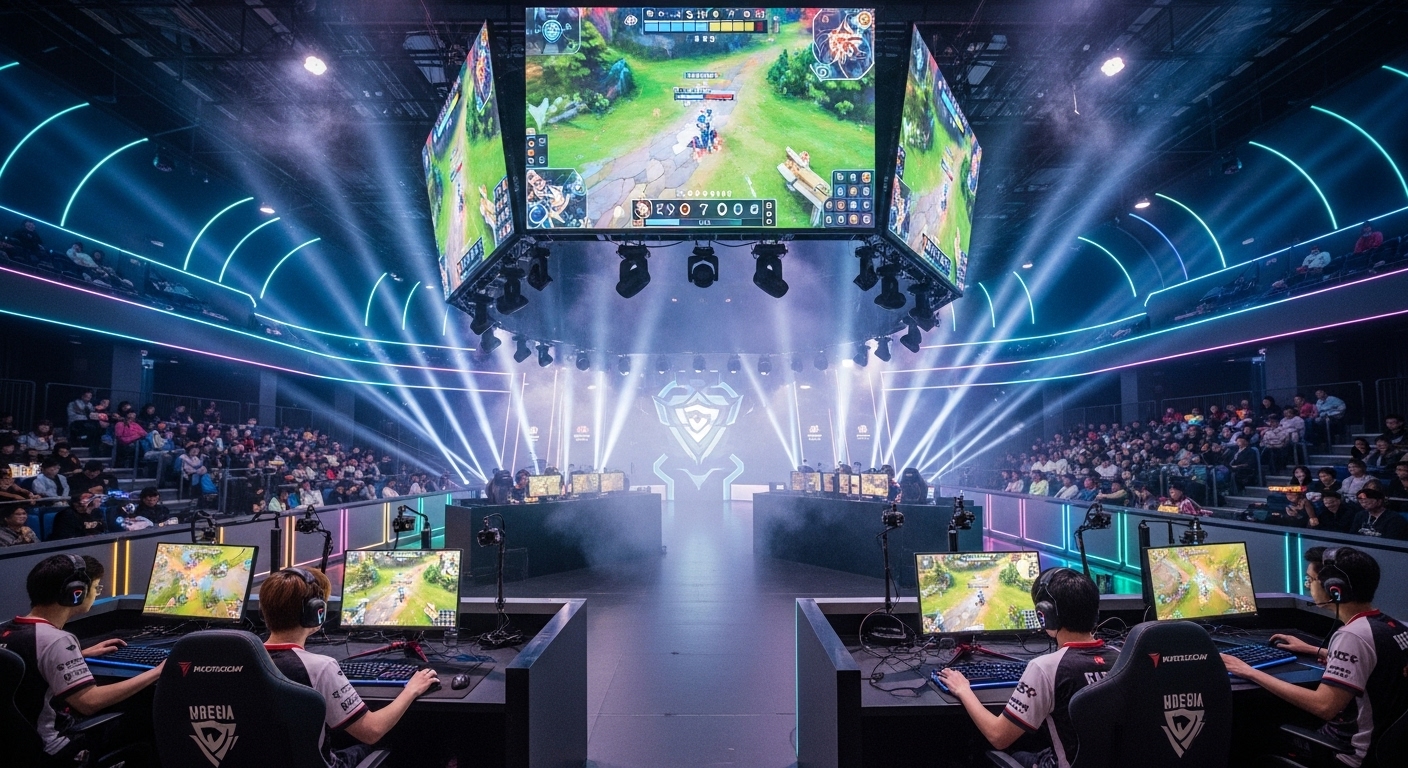
Esports tournaments today showcase world-class production quality. Stage designs, spotlight effects, player entrances, and cinematic storytelling amplify the excitement. These events generate the same adrenaline found in major traditional sporting tournaments, sometimes even surpassing them with dramatic comebacks, breathtaking plays, and intense rivalries.
The prize pools for these tournaments often reach millions of dollars, rewarding not only the players but also contributing to the careers of coaches, analysts, casters, production crews, and event organizers. The grand scale of these events highlights esports as an industry capable of competing with long-established sports in spectacle and impact.
Inside the Training Regimen of Esports Athletes
Professional esports players undergo rigorous training. Their schedule includes practice matches, team strategy discussions, individual skill refinement, and mental conditioning. Many teams employ nutritionists, psychologists, and fitness trainers to enhance player performance and maintain long-term health.
Because esports requires quick reflexes, precision, and strategic thinking, players must remain physically and mentally sharp. Reaction times are often measured in milliseconds, and one mistake can shift the outcome of an entire match. The dedication required mirrors that of any traditional athlete, proving that esports demands discipline and resilience at the highest levels.
The Esports Industry and Its Economic Influence
Esports is not just a form of competition—it is a thriving business ecosystem. It includes professional teams, sponsorships, advertising, merchandise, content creation, game development, event management, and media rights. Brands from various industries invest in esports due to its global reach and youthful demographic.
This investment helps teams grow, tournaments expand, and players pursue careers with financial stability. Cities hosting major tournaments benefit from tourism and global exposure. Universities have even begun offering scholarships for esports athletes, recognizing the industry’s legitimacy and its potential for academic and professional advancement.
The Global Diversity of Esports Culture
Esports transcends borders, languages, and backgrounds. Players from every corner of the world compete and collaborate, creating a unified global community. Regional differences in play styles, strategies, and fan culture enrich the global esports landscape.
In many countries, esports has become a cultural phenomenon. It inspires young people to dream big, participate in local competitions, or pursue careers in fields related to gaming. Cosplay, fan art, music videos, and community gatherings further amplify the cultural impact, turning esports into more than just competitive gaming—it becomes a vibrant part of modern lifestyle.
Challenges Faced by the Esports Industry
Despite its success, esports faces several challenges. One of the biggest concerns is maintaining player health. The pressure to perform and long training hours can lead to burnout. Organizations are increasingly focusing on wellness programs to ensure players can sustain long and healthy careers.
Another challenge lies in establishing consistent rules and regulations across different games and regions. Issues such as cheating, unfair gameplay, and contract disputes require strong governance to protect the integrity of the sport. Ensuring inclusivity is another key focus, as the industry continues to work toward better representation of women and underrepresented groups.
The Impact of Technology on Esports Innovation
Advancements in technology continue to shape the future of esports. Virtual reality and augmented reality promise to introduce new dimensions to competitive play. Improved graphics, faster processors, and evolving game design push the boundaries of what competitive gaming can offer.
Artificial intelligence is also influencing training methods, helping players analyze gameplay and develop more effective strategies. The continued convergence of gaming and technology ensures that esports will keep evolving, offering new ways to compete and experience entertainment.
The Future of Esports as a Mainstream Sport
As esports continues to grow, its future looks bright. The industry is gaining recognition from educational institutions, governments, and traditional sports organizations. Major sports franchises are investing in esports teams, and cross-industry collaborations are opening new opportunities for innovation.
Esports is also becoming a powerful cultural bridge, connecting people worldwide through shared digital experiences. The next generation, raised in a digital-first world, sees esports not as an alternative to traditional sports but as a natural extension of competition and entertainment.
Conclusion: A New Era of Digital Competition
Esports has rewritten the definition of modern competition. It blends technology, skill, strategy, and entertainment into an experience that captivates millions. The industry’s rise is a testament to human creativity, resilience, and adaptability. It has created new careers, inspired a new generation of competitors, and connected global communities like never before.
As the digital age continues to evolve, esports stands at the forefront of innovation. It is not just a trend but a lasting cultural force shaping the future of entertainment, competition, and community. In the world of esports, digital titans rise, legends are born, and the boundaries of human achievement are continually redefined.