
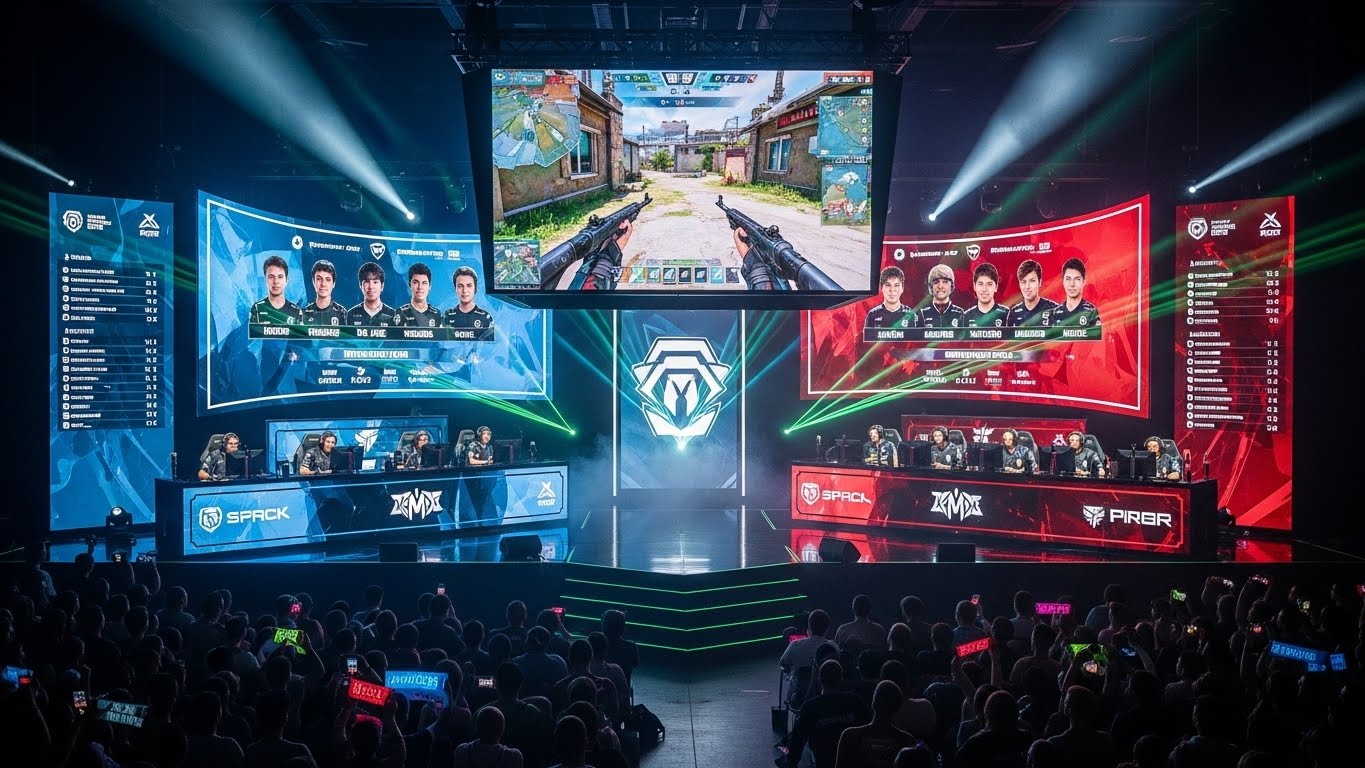
Esports, once a niche hobby for dedicated gamers, has grown into a global phenomenon that rivals traditional sports in popularity, revenue, and cultural influence. With professional leagues, massive tournaments, and international fanbases, esports has redefined what it means to compete and spectate in the digital age. Beyond the screen, esports represents innovation, skill, and community, attracting millions of players and fans worldwide. In this blog, we explore the rise of esports, its impact on society, and why it is much more than just playing video games.
The Birth and Evolution of Esports
Competitive gaming has existed since the early days of video games, but esports as we know it began to take shape in the late 1990s and early 2000s. Early tournaments featured games like StarCraft, Counter-Strike, and Quake, where players competed in local and regional events. The growth of the internet allowed for online competitions, connecting players and fans across the world.
By the 2010s, esports had entered a new era with the rise of professional leagues, streaming platforms, and sponsorship deals. Games like League of Legends, Dota 2, and Fortnite brought esports to mainstream audiences, while platforms such as Twitch and YouTube allowed fans to watch live competitions in real time. Today, esports is recognized not just as a form of entertainment, but as a legitimate career path and cultural movement.
The Anatomy of Competitive Gaming
Esports is diverse, encompassing a variety of game genres, each with its own unique challenges and skill requirements. Multiplayer online battle arena games, first-person shooters, real-time strategy games, and fighting games are among the most popular competitive formats. Each requires a combination of reflexes, strategy, teamwork, and mental endurance.
Unlike casual gaming, esports demands rigorous practice schedules, strategic planning, and an understanding of game mechanics at an advanced level. Professional players spend hours analyzing opponents, reviewing gameplay, and refining their techniques. This level of dedication mirrors traditional athletes, highlighting that esports is as much about mental agility and preparation as it is about hand-eye coordination.
The Role of Teams and Organizations
Esports thrives on teamwork, similar to traditional sports. Many games require coordinated strategies among players, emphasizing communication, synergy, and trust. Professional teams are often managed like sports franchises, complete with coaches, analysts, nutritionists, and psychologists.
Esports organizations not only recruit and train players but also provide sponsorships, branding, and opportunities for fan engagement. Major organizations operate internationally, creating competitive ecosystems where players can compete at local, regional, and global levels. The success of a team is measured not just in wins, but in consistency, adaptability, and ability to perform under pressure.
Streaming and the Spectator Experience
One of the key factors driving esports’ growth is its spectator culture. Unlike traditional sports that rely on physical stadiums, esports is inherently digital, making it accessible to a global audience. Streaming platforms allow fans to watch live matches, interact with players, and participate in online communities.
Esports spectatorship is interactive and immersive. Viewers can follow multiple camera angles, analyze real-time statistics, and even join chat discussions during live events. Major tournaments attract millions of viewers simultaneously, with stadium-style events for finals creating a shared experience that rivals conventional sporting events. This connectivity fosters a sense of community, uniting fans across cultures and time zones.
The Economic Impact of Esports
Esports has become a multi-billion-dollar industry, generating revenue through sponsorships, merchandise, ticket sales, and broadcasting rights. Major tournaments offer prize pools that rival traditional sports competitions, attracting top talent from around the world. Corporate sponsorships, from tech companies to global brands, further fuel the industry’s growth.
Additionally, esports has created employment opportunities beyond playing. Coaches, analysts, commentators, event organizers, and content creators contribute to the ecosystem, turning competitive gaming into a viable career path for many. The economic impact of esports extends to technology development, streaming platforms, and digital marketing, making it a significant player in the global entertainment landscape.
Training, Discipline, and Professionalism
Professional esports players often maintain training routines comparable to traditional athletes. This includes daily practice sessions, strategic planning, team coordination drills, and mental conditioning. Players must also manage nutrition, physical fitness, and sleep schedules to optimize performance.
Mental resilience is particularly critical in esports. Players face high-pressure situations, public scrutiny, and the constant challenge of adapting to game updates or meta changes. Maintaining focus, managing stress, and recovering from losses are essential skills, underscoring that esports is as much about mental toughness as it is about technical ability.
The Psychological and Social Benefits of Esports
While some may perceive gaming as purely recreational, esports offers numerous psychological and social benefits. Engaging in competitive play improves problem-solving skills, strategic thinking, and multitasking abilities. Players develop patience, perseverance, and adaptability as they navigate complex game scenarios.
Socially, esports fosters a sense of belonging. Online communities provide opportunities for interaction, collaboration, and friendship, often bridging geographical and cultural divides. For many, esports is a platform for self-expression, creativity, and identity formation, allowing players to connect over shared interests and experiences.
Challenges and Criticisms
Despite its success, esports faces challenges and criticisms. Concerns about excessive screen time, physical health, and mental burnout are prevalent. Players may experience repetitive strain injuries, eye strain, and posture-related issues due to long hours of practice. Mental health concerns, including stress, anxiety, and performance pressure, also demand attention.
Additionally, esports faces issues related to inclusivity and representation. While the industry has made progress in gender diversity and accessibility, barriers remain for underrepresented groups. Addressing these challenges is critical to ensuring that esports remains a healthy, inclusive, and sustainable competitive environment.
The Global Appeal of Esports
One of esports’ most remarkable features is its universal appeal. Unlike many traditional sports that are region-specific, esports transcends borders, languages, and cultures. A player in South Korea can compete against one in Brazil, while fans from around the world can watch simultaneously.
Esports also resonates with younger generations who have grown up in digital environments. It merges entertainment, technology, and competition in ways that align with modern lifestyles. The global nature of esports fosters cultural exchange, collaboration, and innovation, creating a truly international sporting phenomenon.
Esports and the Future
The future of esports is bright, with advancements in technology and expanding audience interest driving growth. Virtual reality, augmented reality, and cloud gaming are likely to redefine the esports experience, creating more immersive and interactive competitions. Artificial intelligence may also influence training, analytics, and game design, enhancing strategic depth and player development.
Moreover, esports’ integration with education and professional development is increasing. Universities now offer esports scholarships, degree programs, and training facilities, legitimizing the field as a serious career path. As esports continues to evolve, it will shape not only the entertainment industry but also broader cultural, social, and economic landscapes.
Conclusion: Esports as a Cultural and Competitive Force
Esports has transformed from a niche hobby into a global cultural and competitive force. It embodies innovation, skill, strategy, and community, offering opportunities for players, fans, and businesses alike. Through teamwork, discipline, and mental resilience, esports athletes demonstrate the same dedication and passion as traditional sports professionals.
More than just a form of entertainment, esports represents a new era of competition that is digital, global, and inclusive. It challenges traditional notions of sports, offering a platform where talent, strategy, and technology converge. As esports continues to grow and innovate, it will remain a powerful cultural phenomenon, inspiring the next generation of players and fans around the world.