
Introduction: The New Era of Competition
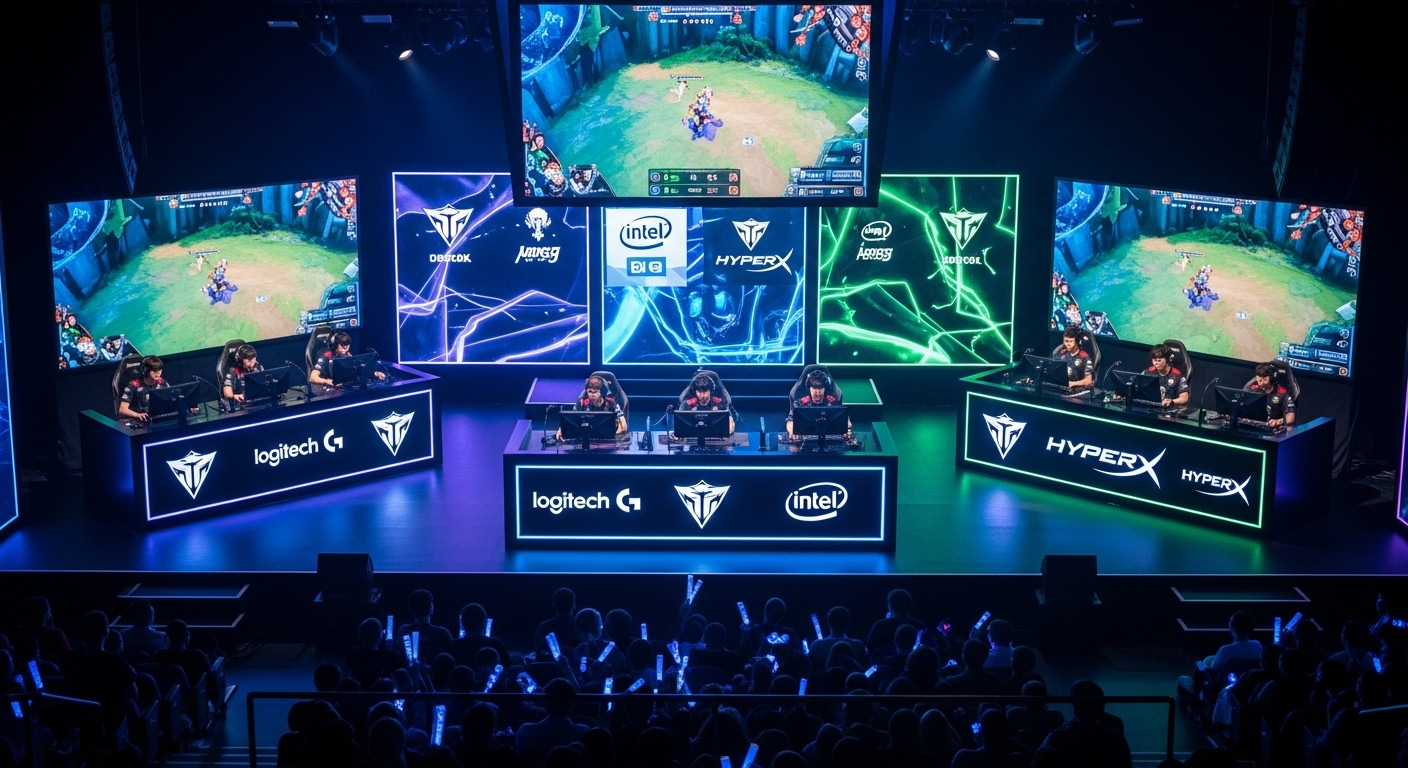
Esports has emerged as one of the most exciting and influential forms of modern entertainment. Once dismissed as a niche hobby, competitive gaming now commands global audiences, professional players, and massive tournaments with prize pools rivaling traditional sports. Esports combines skill, strategy, and spectacle in a way that transcends traditional gaming, offering both participants and spectators a unique experience. This blog explores the evolution of esports, its cultural impact, and why it has become a powerhouse in the entertainment industry.
The Origins of Esports: From LAN Parties to Global Competitions
The roots of esports trace back to the 1980s and 1990s, when competitive video gaming was primarily a local affair. Players would gather for LAN parties or small tournaments to showcase their skills in games like Street Fighter, Doom, and StarCraft. These early competitions laid the foundation for what would become an organized, professionalized industry.
The sense of community and rivalry during these events made competitive gaming more than just playing—it became a sport in its own right. Players began forming teams, developing strategies, and building reputations that would later propel esports into the mainstream.
The Rise of Multiplayer Online Games
The growth of the internet in the early 2000s revolutionized esports. Online multiplayer games allowed players to compete globally, breaking geographical barriers and connecting communities worldwide. Titles like Counter-Strike, League of Legends, and Dota 2 became staples of competitive gaming, each with its own unique challenges and strategies.
Online gaming enabled players to refine their skills against a wider audience, while spectators could watch live matches from anywhere in the world. This connectivity was a crucial turning point, transforming competitive gaming from a local hobby into a global phenomenon.
Professionalization of Esports
Esports transitioned from casual competition to professional sport as teams, leagues, and tournaments became formalized. Organizations began recruiting skilled players, providing salaries, training facilities, and sponsorships. Professional players were now athletes in their own right, dedicating hours of practice each day to perfecting their craft.
Major esports leagues began to resemble traditional sports in structure, with regular seasons, playoffs, and championships. High-profile tournaments attracted media coverage, corporate sponsorship, and millions of viewers worldwide. The rise of professional esports demonstrated that competitive gaming was a legitimate career and a serious form of entertainment.
Esports as a Spectator Experience
One of the most compelling aspects of esports is its appeal to spectators. Unlike traditional sports, esports offers unique ways to engage audiences, including live streams, interactive commentary, and instant replay features. Platforms dedicated to broadcasting esports events have allowed fans to follow their favorite teams, analyze strategies, and celebrate victories in real time.
The spectacle of esports lies in its combination of speed, skill, and unpredictability. Fast-paced games, dramatic comebacks, and high-level strategy create tension and excitement that keeps viewers on the edge of their seats. This spectator-driven model has been instrumental in transforming esports into a mainstream entertainment industry.
Major Esports Games and Genres
Esports encompasses a wide range of games and genres, each offering distinct challenges and appeal. Multiplayer online battle arena games, such as League of Legends and Dota 2, focus on teamwork, strategy, and objective control. First-person shooters like Counter-Strike and Call of Duty emphasize precision, reflexes, and coordination.
Battle royale games, including Fortnite and Apex Legends, combine survival tactics with rapid action, providing high-stakes competition for both players and spectators. Sports simulations like FIFA and NBA 2K replicate real-world sports, allowing players to compete virtually in familiar athletic environments. This diversity ensures that esports has something for every type of player and fan.
The Role of Teams and Organizations
Professional esports teams operate much like traditional sports franchises. They recruit talented players, provide coaching, and develop strategies tailored to specific games and opponents. Team dynamics, communication, and synergy are critical to success, as coordinated play often determines the outcome of high-level matches.
Organizations also play a significant role in branding, sponsorship, and fan engagement. Teams cultivate loyal fanbases through social media, content creation, and community events. The combination of competitive excellence and effective promotion has propelled esports into the mainstream and contributed to its rapid growth worldwide.
The Economics of Esports
The esports industry has grown into a multibillion-dollar ecosystem. Revenue streams include tournament prize pools, sponsorships, advertising, merchandise, and media rights. Major tournaments now offer prizes that surpass millions of dollars, attracting top talent and intensifying competition.
Sponsorships from tech companies, energy drink brands, and global corporations highlight the commercial appeal of esports. Brands recognize the opportunity to engage younger, tech-savvy audiences through competitive gaming. The economic impact of esports extends beyond players and teams, influencing advertisers, event organizers, and content creators alike.
Esports Training and Professionalism
Top-level esports players approach gaming with the same rigor and discipline as traditional athletes. Training routines include hours of practice, strategy analysis, and teamwork exercises. Physical fitness, mental resilience, and communication skills are increasingly recognized as essential components of professional gaming.
Coaching and performance analytics have become integral to esports, helping players optimize their gameplay, identify weaknesses, and adapt strategies. This level of professionalism underscores esports as a serious competitive endeavor, demanding dedication, skill, and strategic thinking.
Esports and Cultural Impact
Esports has a profound cultural influence, shaping trends, language, and entertainment globally. It has created communities where people from diverse backgrounds connect over shared interests, fostering inclusivity and collaboration. Esports also provides a platform for storytelling, creativity, and innovation, as games often reflect cultural themes and narratives.
In addition, esports has inspired a new generation of content creators, streamers, and influencers. Players and fans alike engage with esports beyond competition, contributing to discussions, producing videos, and participating in online communities. This cultural footprint has made esports a central aspect of modern digital life.
The Global Expansion of Esports
Esports is no longer confined to a few regions—it is a truly global phenomenon. Countries in Asia, Europe, and North America have developed robust competitive scenes, each with unique styles and strategies. South Korea, for example, is renowned for its professional infrastructure and esports culture, while Western countries have embraced streaming and content creation to grow their audiences.
International tournaments bring together players from different continents, promoting cross-cultural exchange and global competition. The worldwide popularity of esports demonstrates its universal appeal and potential as a unifying form of entertainment.
Challenges Facing Esports
Despite its growth, esports faces challenges that must be addressed to sustain its success. Player burnout, mental health, and career longevity are major concerns, as intense training schedules and high-pressure environments can take a toll. Regulatory issues, fair play, and cheating also require continuous monitoring to maintain credibility.
Additionally, esports must balance commercialization with community engagement. While sponsorships and media deals drive growth, maintaining authenticity and accessibility is essential to keep players and fans invested. Addressing these challenges will be critical to ensuring esports remains a sustainable and respected industry.
The Future of Esports
The future of esports looks bright, with technological innovation driving new opportunities. Virtual reality and augmented reality may redefine competitive gameplay, while artificial intelligence could enhance training and strategy development. Cloud gaming will expand accessibility, allowing players from around the world to participate without high-end hardware.
Esports is likely to continue integrating with mainstream media, sports, and entertainment, further solidifying its position as a major cultural and economic force. The industry’s adaptability, combined with a passionate global audience, ensures that esports will remain a dynamic and evolving phenomenon for years to come.
Conclusion: Esports as a Defining Entertainment Medium
Esports has grown from humble beginnings into a global powerhouse, combining skill, strategy, and spectacle in ways that captivate millions. It has created professional careers, inspired communities, and transformed the way people engage with gaming and entertainment.
More than just a form of recreation, esports represents a cultural revolution—an arena where technology, talent, and passion converge. As the industry continues to evolve, it will redefine what it means to compete, watch, and participate in entertainment, proving that competitive gaming is here to stay as one of the most influential mediums of our time.