
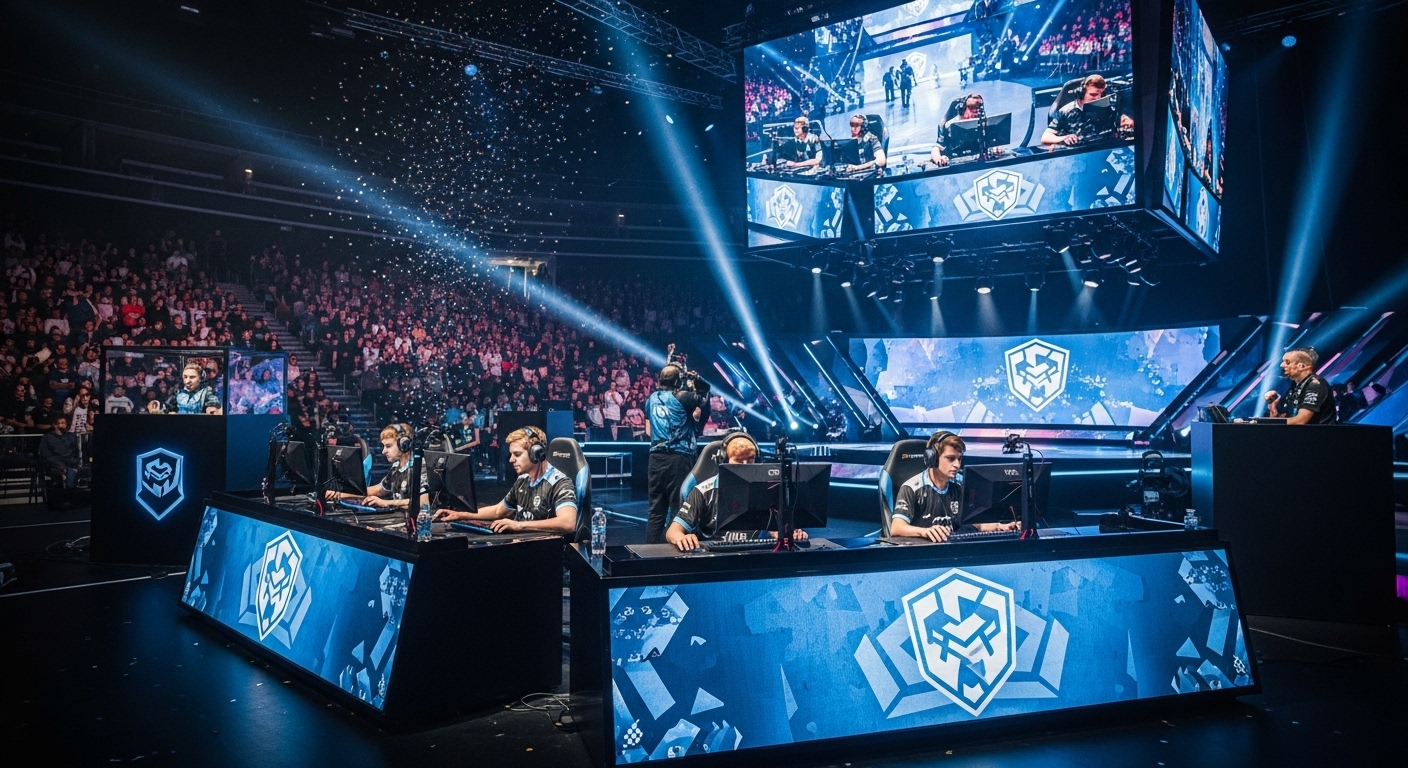
Introduction: Esports – Beyond Entertainment
In recent years, esports has emerged as a global phenomenon, transforming competitive gaming into a professional, widely celebrated industry. What once began as casual online gaming has evolved into a structured ecosystem of professional leagues, international tournaments, and millions of devoted fans. Esports now rivals traditional sports in terms of viewership, fan engagement, and revenue. More than just a pastime, esports has created a culture that emphasizes skill, strategy, and community. It has also opened doors for players to pursue careers as professionals, coaches, commentators, and content creators. This blog explores the rise of esports, its influence on culture and technology, and the unique opportunities and challenges it presents.
The Origins of Competitive Gaming
The roots of esports can be traced back to the 1970s and 1980s, when video games began gaining popularity. Early arcade competitions, such as the famous Space Invaders tournaments, allowed players to compete for high scores. The 1990s brought the rise of networked multiplayer games like Doom, Warcraft, and Quake, which enabled players to challenge opponents across cities and countries. One notable early milestone was the Red Annihilation tournament for Quake in 1997, which drew attention to professional gaming as a viable competitive pursuit. These foundational events laid the groundwork for a global industry built on competition, skill, and audience engagement.
The Evolution of Esports in the 21st Century
By the early 2000s, esports had become more organized and commercialized. Games like StarCraft in South Korea elevated esports to national attention, with professional players gaining fame comparable to athletes in traditional sports. Major tournaments, live broadcasts, and sponsorship deals began to establish esports as a legitimate industry. With the advent of online streaming platforms in the 2010s, such as Twitch and YouTube Gaming, esports achieved global visibility. Games like League of Legends, Dota 2, and Counter-Strike: Global Offensive attracted millions of viewers worldwide. This era marked a turning point, transforming esports from a niche hobby into a global cultural and economic force.
The Structure of Professional Esports
Esports operates in a structure that mirrors traditional sports leagues. Professional teams compete in organized leagues, and players sign contracts with organizations, much like athletes in football or basketball. For example, the League of Legends Championship Series (LCS) organizes seasonal competitions leading to the World Championship, while Dota 2 hosts The International, featuring multi-million dollar prize pools. Teams employ coaches, analysts, and support staff to optimize performance, demonstrating the professionalization of the industry. The structure ensures stability, career growth, and a clear competitive pathway for aspiring players, solidifying esports as a serious professional pursuit.
The Global Impact of Esports
Esports has become a cultural bridge, connecting individuals worldwide through a shared passion for gaming. Tournaments are broadcast internationally, attracting audiences in the hundreds of millions. Unlike traditional sports, esports transcends physical limitations; players and fans can participate from anywhere with an internet connection. This accessibility has helped create diverse and inclusive communities. Additionally, esports fosters cultural exchange as players from different countries compete on the same platform, learning strategies, customs, and perspectives from each other. In this way, esports has grown into a global social phenomenon with a unique cultural footprint.
Esports and Youth Engagement
One of the most significant aspects of esports is its ability to engage youth. Competitive gaming provides a sense of achievement and belonging, particularly for young individuals who may not have access to traditional sports. Esports encourages the development of critical skills such as strategic thinking, teamwork, quick decision-making, and time management. Schools and universities have recognized this potential, incorporating esports programs and offering scholarships to talented players. By blending education with competitive gaming, young individuals can cultivate both personal and professional growth while pursuing their passion for gaming.
The Role of Streaming and Content Creation
Streaming platforms play a crucial role in the esports ecosystem. Platforms like Twitch, YouTube, and Facebook Gaming allow players to broadcast gameplay, engage with audiences, and build personal brands. Streamers can interact with fans in real-time, providing commentary, tips, and entertainment. Beyond gameplay, content creation offers opportunities for revenue generation through subscriptions, sponsorships, and advertising. This ecosystem has blurred the lines between professional player and influencer, enabling gamers to achieve global recognition and financial success. The symbiotic relationship between competitive gaming and streaming has been pivotal in expanding esports’ popularity.
Esports as a Career Path
Esports offers a variety of career opportunities beyond playing professionally. Analysts, commentators, team managers, event organizers, and coaches all contribute to the industry. Sponsorship deals and endorsements further enhance earning potential for top-tier players. Universities have begun offering programs in esports management, broadcasting, and game design, providing structured career pathways. With proper training and dedication, individuals can build long-term careers in an industry that continues to expand globally. Esports is no longer merely entertainment; it has become a viable professional and academic pursuit.
Technological Innovations Shaping Esports
The growth of esports has been fueled by technological innovation. High-speed internet, streaming software, performance analytics, and AI-driven coaching tools have all enhanced the competitive experience. Virtual reality and augmented reality are beginning to offer immersive experiences, allowing both players and fans to engage with games in unprecedented ways. Esports tournaments are now incorporating advanced graphics, interactive features, and real-time audience engagement tools, bridging the gap between digital competition and live entertainment. Technology has not only enhanced gameplay but also transformed esports into a spectator-friendly experience.
Esports vs. Traditional Sports
While esports differs from traditional sports in terms of physical exertion, the parallels are notable. Both involve strategy, practice, teamwork, and competition. Professional esports players follow rigorous training schedules, including hours of practice, physical conditioning, and mental preparation. Team coordination, leadership, and decision-making are essential for success, much like in traditional team sports. The main difference lies in the medium: esports exists in a digital realm, making it accessible to anyone with a computer or gaming console, while traditional sports require physical infrastructure and training facilities. Despite this difference, esports has gained recognition as a legitimate competitive field alongside traditional sports.
The Economic Influence of Esports
Esports has evolved into a multi-billion-dollar industry, impacting global economies through sponsorships, merchandise, event organization, and media rights. Major tournaments attract international sponsors, increasing investment in gaming hardware, streaming platforms, and broadcasting. Cities hosting esports events experience boosts in tourism and infrastructure development. The industry has created jobs across various sectors, including game development, event management, content production, and marketing. Esports is not just an entertainment industry; it is a significant economic driver with the potential to influence regional and global markets.
Challenges and Criticisms of Esports
Despite its rapid growth, esports faces challenges. Public perception still questions whether gaming can be considered a legitimate sport. Concerns around screen time, mental health, and physical inactivity persist. Moreover, the industry grapples with issues such as cheating, match-fixing, and lack of regulatory oversight. Ensuring fair competition, addressing toxicity in gaming communities, and promoting health-conscious practices remain essential for the long-term sustainability of esports. Industry stakeholders continue to work toward solutions that balance competitiveness with ethical practices and player well-being.
The Future of Esports
The future of esports is promising, with continued growth expected in both audience and revenue. Emerging technologies like VR, AR, and cloud gaming will expand accessibility and enhance immersion. Mobile esports is also gaining traction, bringing competitive gaming to billions of users worldwide. As professional leagues and university programs expand, esports will continue to gain recognition as a legitimate career path. With increasing sponsorship, media investment, and mainstream acceptance, esports is poised to redefine the landscape of entertainment and professional competition.
Esports and Global Community Building
One of the unique aspects of esports is its ability to create global communities. Fans and players connect across cultures and continents, fostering collaboration, friendship, and mutual respect. Online tournaments, live streams, and social media communities allow people to share strategies, celebrate victories, and support one another. This sense of belonging enhances the social impact of esports, transforming competitive gaming into a platform for cultural exchange, personal development, and community building.
Conclusion: Esports as a Cultural and Professional Revolution
Esports has grown from a niche hobby to a global cultural and professional phenomenon. It has redefined entertainment, created new career paths, and connected millions of people worldwide. With technological innovation, professionalization, and mainstream recognition, esports continues to reshape how people play, watch, and interact with games. Beyond the screens, esports fosters community, strategic thinking, and global engagement. The rise of esports is a testament to the evolving nature of competition, creativity, and human connection. It represents a revolution that goes beyond gaming—it is a cultural and professional force shaping the future of entertainment.