
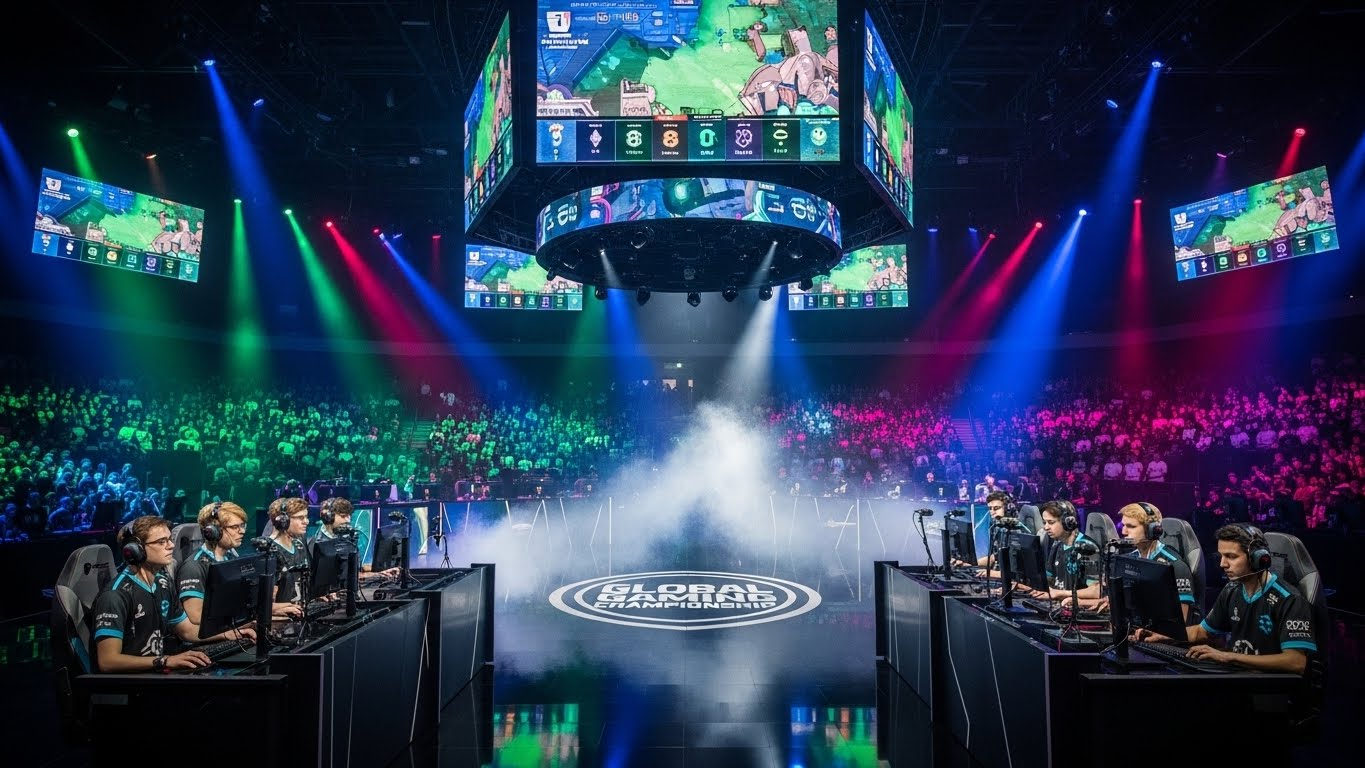
Esports has transformed from small local gaming competitions into a global entertainment powerhouse capturing millions of passionate fans. What was once viewed as a casual pastime has now matured into a dynamic professional industry, complete with teams, coaches, analysts, and even stadiums filled with roaring audiences. In this blog, we explore the evolution, culture, economics, and future of esports—an industry that is redefining what it means to compete and entertain in the digital age.
The Evolution of Esports: From Arcade Corners to Arenas
In the early days of video gaming, esports barely resembled the massive industry it is today. Back in the 1980s and 1990s, gaming competitions took place in arcades, college dorm rooms, and small community gatherings. The focus was mostly on beating high scores and achieving bragging rights among local players.
The turning point came with the rise of internet connectivity and multiplayer gaming. Titles like StarCraft, Counter-Strike, and Quake allowed players from around the world to challenge one another in real time. Suddenly, competitions were no longer limited to physical spaces. They could grow globally, connecting players across continents. What began as friendly rivalry soon became a structured competition, laying the groundwork for professional leagues, sponsorships, and international tournaments.
The Rise of Competitive Gaming: A Digital Sport Emerges
As gaming technology advanced, competitive gaming found its identity. Developers started building games with competitive play in mind. Titles such as Dota, League of Legends, and later Fortnite and Valorant introduced structured ranking systems, balanced gameplay mechanics, and spectator modes. These features allowed tournaments to grow more refined and entertaining.
This shift pushed esports into the mainstream. Professional players started training like traditional athletes. Coaches analyzed gameplay strategies. Teams formed training facilities. Suddenly, gaming wasn’t just fun—it was a profession. The world began to see esports as more than entertainment. It became a legitimate sport with discipline, teamwork, and a thriving fan culture.
The Esports Ecosystem: Teams, Players, and Organizations
Esports today mirrors traditional sports in many ways. Professional players sign contracts, join carefully structured teams, and undergo intense training routines. Organizations invest heavily in talent scouting, coaching, nutrition, physical fitness, and mental wellness. Many gamers train up to 10 hours a day, mastering game mechanics and studying opponent strategies.
Major esports organizations, such as those competing in popular leagues, often operate similarly to football or basketball clubs. They recruit players, hire marketing teams, partner with sponsors, and create merchandise lines. The growth of this ecosystem has created new career paths far beyond playing the game—shoutcasters, analysts, event organizers, content creators, and performance coaches all contribute to the industry’s success.
The Spectator Explosion: Why Watching Games Became Mainstream
One of the most fascinating aspects of esports is its global audience. Tens of millions of fans tune in to watch major tournaments, cheering for their favorite teams just as football fans cheer for their clubs. What makes esports so captivating?
Firstly, the games themselves are visually thrilling. Explosive action, fast-paced strategies, and unpredictable outcomes create high levels of excitement. Secondly, the fan interactions are more direct. Viewers often chat in real time, sending reactions and supporting players instantly.
Furthermore, esports is incredibly accessible. Anyone with a phone or computer can tune in. Unlike traditional sports that require expensive broadcasting, esports thrives on free digital platforms. This has allowed it to reach younger audiences who prefer interactive and digital entertainment.
Financial Power: The Business Behind Esports
Esports is not only culturally influential; it is economically powerful. Tournament prize pools have reached millions. Sponsorship deals with major brands fuel team budgets. Streaming platforms generate revenue through advertisements and viewer subscriptions. Merchandise, digital goods, and licensing all contribute to a thriving financial ecosystem.
Game developers play a major role in shaping this economy. They design competitive environments, support leagues, and sometimes directly fund tournaments. By fostering healthy competitive scenes, developers keep players engaged and increase the lifespan of their games.
Brands from outside the gaming world—such as energy drinks, fashion labels, and tech companies—have also jumped into esports. They recognize that the gaming demographic is huge, engaged, and digitally savvy. This blend of markets has created some of the most unique brand partnerships in modern marketing.
Education Meets Esports: Academic and Career Opportunities
The acceptance of esports has grown beyond entertainment and business—it has entered education. Many universities now offer esports scholarships, treating competitive gaming the same way they treat athletics or creative arts. Students can specialize in game design, esports management, streaming production, and more.
This integration bridges traditional education with a digital future. Young players who once faced criticism for gaming can now pursue legitimate academic and career paths. Schools host their own tournaments and include esports in extracurricular activities, recognizing the teamwork, strategy, and critical thinking involved.
The Social Impact: Building Communities and Connections
Esports has contributed to global social connectivity in ways few industries can match. It brings together people across different cultures, languages, and backgrounds. Online communities form around teams, games, and tournaments. Fans travel internationally to attend events. Friendships and professional relationships grow from shared passion.
Many players who might have felt isolated find belonging in gaming communities. Esports also offers platforms for individuals to express themselves creatively through streaming, content creation, and fan art. This inclusivity and openness differentiate esports from many traditional competitive spaces.
Challenges in the Esports World
Despite its success, the esports industry faces significant challenges. Maintaining player health is a big concern, as long hours of gameplay can strain physical and mental well-being. Regulation is another challenge. With multiple leagues, international competitions, and ever-changing rules, consistency can be difficult.
Toxicity in online gaming communities remains a pressing issue. Developers, leagues, and fans continue to work toward creating healthier, more respectful spaces. Additionally, financial stability can vary across teams and players, depending on sponsorships, game popularity, and regional support.
While these challenges exist, the industry is evolving to address them through better training programs, mental health initiatives, and clearer organizational structures.
The Future of Esports: What Comes Next
Looking ahead, esports shows no sign of slowing down. With advancements in virtual reality, augmented reality, and artificial intelligence, future competitive gaming may evolve in completely new directions. We may see games where physical movement plays a greater role, or virtual environments that blend the real and digital worlds seamlessly.
The global fan base is expected to grow as more regions embrace gaming culture. Governments and institutions are also beginning to recognize the value of esports, providing funding and infrastructure. The future could also bring more crossovers with traditional sports, integrating esports into mainstream athletic events.
Ultimately, esports will continue shaping how the world views competition, entertainment, and digital engagement. It represents the new frontier where technology, creativity, and human talent intersect.
Conclusion: A New Era of Digital Competition
Esports has risen far beyond its humble origins to become a global phenomenon. It is not just about playing games; it is about building communities, fostering careers, and redefining entertainment. With passionate fans, talented players, and an ever-evolving digital landscape, esports stands as one of the most transformative movements of our time.
As technology continues to advance and younger generations grow up immersed in gaming culture, esports will remain a central force in shaping the future of sports and digital expression. The world is witnessing the rise of a new arena—one that exists beyond physical boundaries and thrives on creativity, connection, and competition.