
Introduction: The Rise of a New Competitive Era
Esports has transformed from a niche hobby into a global cultural force captivating millions of fans. What once began as friendly gaming sessions among enthusiasts has now grown into a dynamic industry rivaling traditional sports in viewership, revenue, and global influence. Today, esports athletes sign professional contracts, compete in massive arenas, and earn celebrity status. This blog explores how esports rose to prominence, why it continues to thrive, and where its future is headed.
The Evolution of Competitive Gaming
Esports did not appear suddenly; it emerged from decades of gaming evolution. In the early days of arcade competitions, gamers battled for high scores on machines that lined local game shops. These small and informal gatherings set the foundation for competitive gaming culture.
The introduction of personal computers and gaming consoles expanded the possibilities. Games such as early strategy titles and first-person shooters enabled multiplayer battles that connected players across cities, then countries, and eventually continents. As internet speeds increased, online gaming flourished, allowing the best players from around the world to compete in real time. This global connectivity transformed gaming from a casual pastime into a structured, highly competitive environment.
Esports as a Professional Career Path
In today’s landscape, esports has become a legitimate career option. Professional players are no longer teenagers gaming in their bedrooms. They join teams, undergo intense training, and compete under the guidance of coaches, analysts, and managers.
A typical esports career involves:
- Rigorous Training: Players practice for several hours daily, refining techniques and mastering game strategies.
- Team Dynamics: Many esports titles require meticulous teamwork, communication, and coordination, similar to traditional sports.
- Professional Contracts: Organizations offer salaries, sponsorships, and performance bonuses.
- Personal Branding: Players connect with fans through live streams, interviews, and social engagement, building strong personal brands.
This professional structure has helped esports gain legitimacy, pushing it closer to mainstream sports culture.
The Games That Dominate the Esports Scene
Esports spans numerous genres, but some games have shaped the industry more than others. Titles like battle arena strategy games, tactical shooters, battle royale competitions, and sports simulations attract millions of viewers.
These games succeed because they are:
- Highly competitive
- Easy to understand for new spectators
- Rich with strategic depth
- Constantly updated to keep gameplay fresh
Each game has its own unique community, tactics, and identity. Tournaments draw fans who closely follow team rivalries and storylines, just as traditional sports fans track their favorite leagues.
Massive Tournaments and Global Events
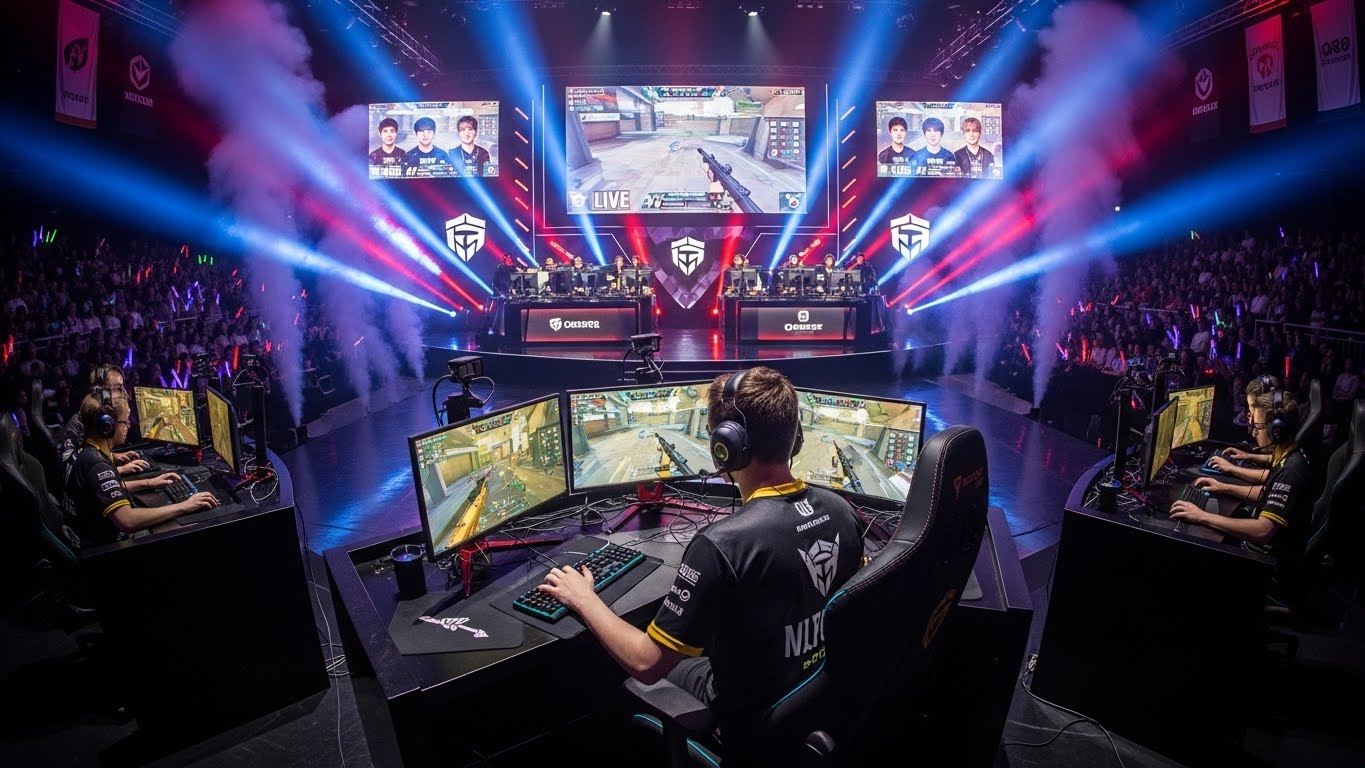
Large-scale tournaments have become the heart of the esports calendar. These events take place in massive stadiums filled with enthusiastic fans cheering for their favorite teams. The production quality rivals that of major sporting events, with elaborate stage setups, dramatic lighting, and world-class commentary.
Some tournaments offer prize pools that exceed many traditional sporting competitions. These events showcase the full spectacle of esports: the passion of fans, the skill of players, and the scale of organization that makes such competitions possible.
The Growing Influence of Esports on Youth Culture
Younger generations have embraced esports not just as entertainment but as a part of their identity. Many see professional gamers as role models, inspiring them to pursue careers in gaming, streaming, content creation, and game development.
Esports has also shaped the way young people socialize. Instead of gathering in physical sports fields, many form friendships in virtual arenas. Team-based games teach communication, cooperation, and strategic thinking—skills valuable both inside and outside the gaming world.
Schools and universities have taken notice, with many offering esports scholarships and varsity programs. This shift acknowledges gaming as a serious discipline that requires dedication, discipline, and teamwork.
The Business Behind the Screens
Esports is not just a competition—it is an industry. Sponsorship deals, media rights, merchandise, team branding, and event ticket sales contribute to its growing economic footprint. Technology companies, gaming brands, beverage companies, and lifestyle brands all invest heavily in esports.
Streaming platforms play a major role as well. They allow fans to watch matches live and interact with players, making spectatorship more interactive than traditional broadcasts. This direct connection between players and audiences fuels deeper engagement and loyalty.
Organizations and investors recognize that esports offers access to a highly valuable audience: young, global, digitally connected, and passionate. This demographic makes the industry a powerful platform for innovation and marketing.
Esports and Technological Innovation
Esports thrives because of technology, and in turn, pushes technological boundaries. High-performance gaming equipment, ultra-fast internet, advanced graphics, and competitive gaming platforms continue to evolve. Artificial intelligence, analytics, and virtual reality are paving the way for the next revolution in competitive gaming.
Game developers constantly refine their titles based on professional feedback, ensuring balance and fairness. This collaboration between athletes and developers is unique, creating a sport that evolves rapidly and adapts to player needs.
Challenges Facing the Esports Industry
Despite its growth, esports faces several challenges:
- Player Burnout: Long practice hours can lead to exhaustion and shortened careers.
- Regulation: The industry lacks a unified governing body, causing inconsistencies in rules and standards.
- Sustainability: Some organizations struggle to maintain profitability due to high operational costs.
- Health Concerns: Physical and mental health issues arise from repetitive gameplay and pressure.
Addressing these challenges is essential for the long-term stability of the industry.
The Future of Esports
The future of esports is filled with potential. More collaboration between traditional sports organizations and esports teams is emerging, blurring the lines between digital and physical competition. Analysts predict that virtual competitions may one day be included in multi-sport global events.
Esports will also continue to expand into new regions, bringing opportunities to countries with growing tech infrastructures. New genres and game titles will introduce fresh competition formats. As virtual reality and augmented reality advance, entirely new forms of interactive competition may emerge.
Most importantly, esports will continue to evolve as a cultural pillar—uniting players, fans, and creators worldwide.
Conclusion: A New Era of Competition
Esports has redefined what it means to compete, cheer, and celebrate victory. It has united players from every corner of the world and built communities that transcend borders. From professional arenas to online streams, esports represents the future of entertainment and global competition.
Its journey from small gatherings to massive tournaments reflects not only technological progress but human creativity, passion, and connection. As long as people love to play and compete, esports will continue to rise—shaping the digital age and inspiring generations to come.