
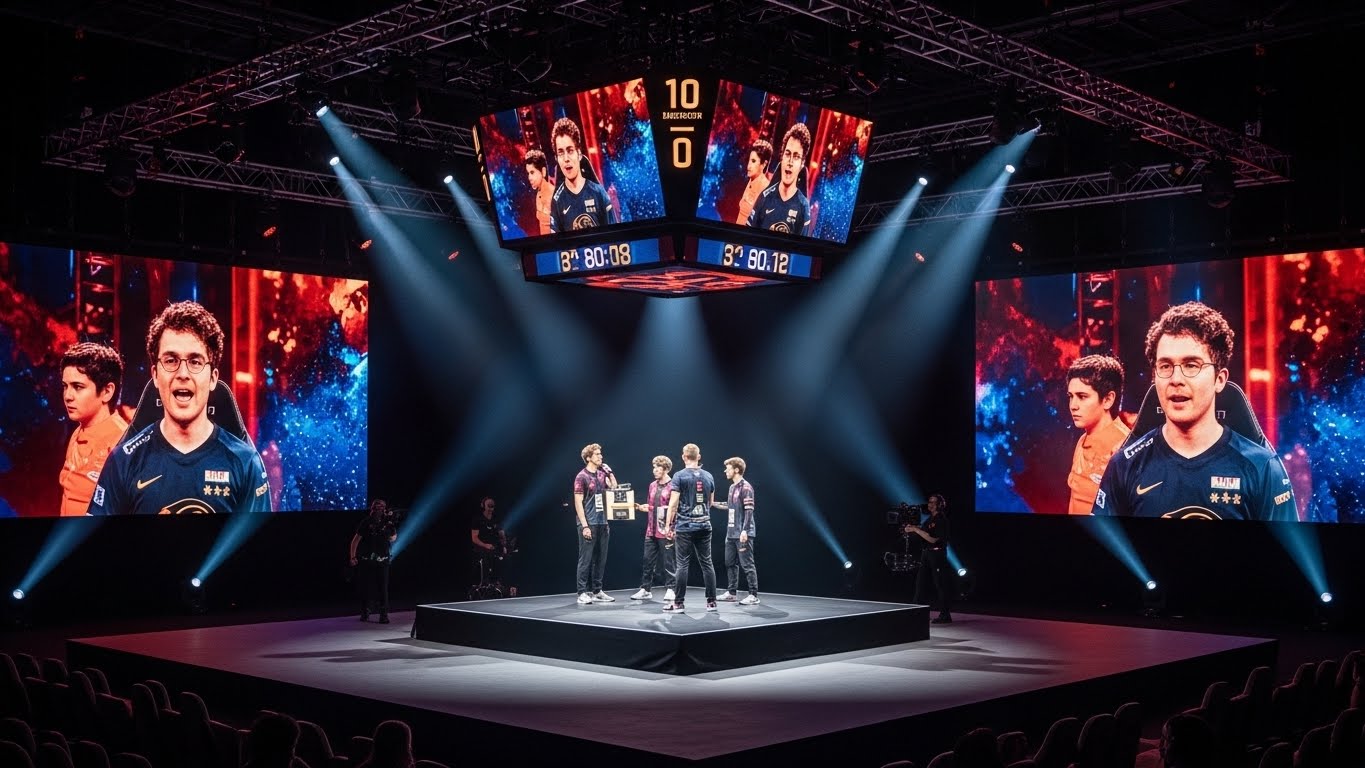
Esports, or competitive gaming, has transformed the way people view sports, competition, and entertainment in the digital era. What once began as a niche hobby for video game enthusiasts has evolved into a multi-billion-dollar industry with global audiences, professional teams, and international tournaments. Esports is no longer confined to living rooms or gaming cafes—it has become a mainstream cultural phenomenon that engages players, fans, and businesses alike. This blog explores the rise of esports, its impact on society, and why it is much more than just playing video games.
The Origins of Esports
The concept of competitive gaming dates back to the 1970s, when video game tournaments were first held in arcades. Games like Space Invaders and Pac-Man attracted local players eager to prove their skills. By the 1990s, with the growth of personal computers and online connectivity, esports began to take a more organized form. Titles such as StarCraft, Quake, and Counter-Strike emerged as competitive staples, with tournaments drawing significant attention in gaming communities.
In countries like South Korea, esports achieved mainstream popularity during the early 2000s. StarCraft competitions were televised, and professional players became celebrities. The development of online gaming, streaming platforms, and international leagues allowed competitive gaming to reach global audiences, laying the foundation for the esports industry as we know it today.
Understanding Esports: More Than Just Playing Games
Esports is not simply about playing video games for fun; it is a structured form of competition that requires skill, strategy, and discipline. Competitive gaming spans multiple genres, including multiplayer online battle arena games, first-person shooters, fighting games, and real-time strategy games. Each genre demands a combination of reflexes, strategic thinking, teamwork, and mental resilience.
Professional players dedicate hours each day to training, analyzing gameplay, and refining strategies. Unlike casual gaming, success in esports requires an in-depth understanding of game mechanics, situational awareness, and adaptability. This level of commitment demonstrates that esports parallels traditional sports in terms of preparation and professional rigor.
Teams, Organizations, and Professional Structures
Esports thrives on teamwork, coordination, and organization. Many games require players to function as part of a team, where communication and synergy are essential. Professional esports teams often consist of players with specialized roles, such as attackers, defenders, and strategists. Teams practice together to develop cohesive strategies, learn opponents’ tendencies, and maximize performance under pressure.
Esports organizations operate similarly to sports franchises, providing coaching, analytics, nutrition guidance, and mental health support. These organizations also handle sponsorships, branding, and fan engagement, ensuring both player development and financial sustainability. The professionalization of esports has created a structured ecosystem that supports competitive integrity and long-term growth.
The Role of Streaming Platforms
One of the defining features of esports is its digital accessibility. Streaming platforms have revolutionized how audiences experience competitive gaming, enabling fans to watch live matches, interact with players, and analyze gameplay in real time. Unlike traditional sports, esports viewers can participate actively, discussing strategies, predicting outcomes, and engaging with content creators.
Major tournaments now attract millions of simultaneous viewers, demonstrating esports’ global reach and appeal. The digital nature of esports allows fans from different continents to watch live competitions without physical barriers, creating a worldwide community united by a shared passion for gaming.
Economic Growth and Opportunities
Esports has grown into a multi-billion-dollar industry, generating revenue through sponsorships, advertising, ticket sales, and merchandising. Major tournaments feature prize pools worth millions of dollars, attracting top-tier talent and high-stakes competition. Corporate sponsorships, including technology companies and global brands, have become a cornerstone of esports’ financial ecosystem.
Beyond players and teams, esports has created numerous career opportunities, including coaches, analysts, commentators, event organizers, and content creators. The industry also drives innovation in technology, gaming hardware, and digital media, contributing to broader economic development.
Training, Discipline, and Mental Resilience
Professional esports players adhere to rigorous training routines similar to those of traditional athletes. Daily practice, strategic planning, team coordination exercises, and mental conditioning are essential to maintaining peak performance. Physical fitness is also emphasized, as reflexes, endurance, and focus benefit from overall health and well-being.
Mental resilience plays a critical role in competitive gaming. Players must manage the pressures of high-stakes matches, public scrutiny, and performance expectations. Cognitive training, focus exercises, and stress management techniques are often incorporated into training programs, highlighting the psychological demands of esports.
Psychological and Social Benefits
Esports offers numerous psychological and social benefits, contrary to common misconceptions about gaming. Competitive play enhances problem-solving skills, critical thinking, decision-making under pressure, and hand-eye coordination. Players learn to adapt quickly to evolving situations, improving cognitive flexibility and strategic planning.
Socially, esports fosters community and collaboration. Online gaming platforms connect individuals from around the world, allowing friendships and professional relationships to form across cultures. Esports provides a platform for self-expression, teamwork, and leadership development, demonstrating its value beyond entertainment.
Challenges in Esports
Despite its success, esports faces several challenges. Long hours of practice can lead to physical strain, repetitive motion injuries, eye fatigue, and posture-related issues. Mental health concerns, including stress, burnout, and anxiety, are prevalent among professional players. Addressing these issues is crucial for sustaining the well-being of athletes and maintaining the integrity of the industry.
Inclusivity is another ongoing challenge. Although strides have been made in gender representation and accessibility, women and minority groups remain underrepresented. Creating an equitable and inclusive environment is essential for the continued growth and credibility of esports.
Global Reach and Cultural Significance
Esports transcends geographical, cultural, and linguistic barriers, making it a truly global phenomenon. International tournaments allow players from different regions to compete on the same stage, fostering cultural exchange and collaboration. Fans worldwide unite in support of teams and players, demonstrating the unifying power of competitive gaming.
For younger generations, esports aligns with the digital lifestyle, combining entertainment, technology, and social interaction. It has become a cultural force that encourages creativity, innovation, and community engagement, influencing not only how people play games but also how they interact and consume media.
The Future of Esports
The future of esports is bright, with technological advancements shaping new possibilities. Virtual reality, augmented reality, and cloud gaming are set to enhance immersion and interactivity. Artificial intelligence will support player training, analytics, and game development, adding layers of strategy and sophistication to competitive play.
Education and professional pathways in esports are also expanding. Universities offer scholarships, degree programs, and specialized training facilities, legitimizing esports as a viable career choice. As the industry grows, it will continue to influence global culture, technology, and the entertainment landscape.
Conclusion: Esports as a Modern Sport
Esports has transformed competitive gaming into a global industry that blends skill, strategy, technology, and community. It challenges traditional definitions of sport and entertainment, offering opportunities for players, fans, and businesses alike. Professional esports players demonstrate dedication, discipline, and resilience comparable to athletes in conventional sports.
The digital nature of esports allows for global accessibility, interactive spectatorship, and cultural exchange. As technology advances and the industry matures, esports will continue to redefine competition, inspire innovation, and unite communities worldwide. Esports is not just a game—it is a revolution that reflects the potential of human creativity, strategy, and collaboration in the modern digital age.