
Introduction to Esports
Esports, short for electronic sports, refers to organized competitive gaming at a professional level. Over the past two decades, this phenomenon has evolved from small local competitions in gaming cafés to massive international tournaments watched by millions of fans worldwide. It has become a legitimate global industry, merging technology, entertainment, and sportsmanship into one dynamic culture. The journey of Esports showcases the power of digital innovation and the growing importance of gaming as both a pastime and a profession.
In the early years of gaming, the idea that video games could become a spectator sport seemed far-fetched. Games were primarily seen as leisure activities or hobbies. However, as the internet connected people from different parts of the world, competitive gaming began to flourish. With the arrival of high-speed internet and live streaming platforms, players could showcase their skills to global audiences, transforming what was once casual play into full-fledged competitions.
The Origins and Evolution of Competitive Gaming
Esports did not emerge overnight. The roots of competitive gaming date back to the 1970s, when arcade tournaments first gained popularity. Games like Space Invaders and Pac-Man saw players competing for high scores and local recognition. The first notable organized video game competition was held in 1972 at Stanford University for the game Spacewar, which marked the birth of competitive gaming culture.
In the 1980s and 1990s, the gaming scene expanded with the rise of consoles and personal computers. Games such as Street Fighter, Quake, and StarCraft built the foundation of modern Esports. South Korea played a crucial role during this time by nurturing a gaming culture that treated competitive gaming with seriousness and respect. By the early 2000s, professional leagues and tournaments began to emerge, supported by sponsors and television networks.
The Growth of Esports in the Modern Era
The 2010s were a turning point for Esports. The introduction of streaming platforms like Twitch and YouTube Gaming revolutionized how audiences engaged with gaming content. Fans could watch their favorite players live, interact through chat, and follow tournaments in real time. Games like League of Legends, Dota 2, and Counter-Strike: Global Offensive became household names in the Esports scene.
The rise of massive tournaments with million-dollar prize pools caught the attention of media outlets and corporate sponsors. The International, Dota 2’s premier event, became one of the most prestigious tournaments in the world, often boasting prize pools exceeding 30 million dollars. League of Legends, organized by Riot Games, established a global competitive structure with regional leagues culminating in a world championship that drew millions of viewers each year.
The industry also benefited from advancements in broadcasting technology, high-quality graphics, and online infrastructure. Esports production began to mirror traditional sports broadcasts, complete with commentators, analysts, and post-game interviews. This professional approach helped legitimize Esports in the eyes of mainstream audiences and investors.
The Professional Players and Their Lifestyle
Behind every successful Esports event are the players who dedicate countless hours to mastering their craft. Professional gamers are no different from athletes in traditional sports. They train for several hours each day, analyzing gameplay strategies, improving reaction times, and studying their opponents. Their success depends not only on individual skill but also on teamwork, communication, and adaptability.
While the glamorous side of Esports often shows players winning trophies and earning sponsorships, the reality includes intense pressure and competition. Maintaining peak performance requires mental resilience, physical fitness, and strict discipline. Teams often employ coaches, nutritionists, and psychologists to help players maintain balance.
Despite these challenges, many young gamers see Esports as a viable career path. With growing recognition and lucrative opportunities, professional gaming has become a dream for millions of aspiring players worldwide.
The Business of Esports
Esports has evolved into a multi-billion-dollar industry driven by sponsorships, media rights, merchandise sales, and live event revenues. Major corporations have entered the scene, sponsoring teams, tournaments, and even entire leagues. Technology companies like Intel, NVIDIA, and ASUS have become long-time supporters, recognizing Esports as an ideal platform for promoting their products.
Advertising and brand partnerships play a crucial role in funding tournaments and player salaries. Global brands from outside the gaming industry, such as car manufacturers, fashion lines, and beverage companies, have also invested heavily in Esports. This influx of sponsorships has enabled the industry to expand rapidly, with new tournaments and teams emerging every year.
Esports organizations function similarly to traditional sports teams. They manage rosters, negotiate contracts, and maintain fan engagement through content creation and social media presence. Some of the biggest names in Esports, like Team Liquid, Fnatic, and Cloud9, have built loyal fan bases that rival traditional sports clubs in terms of passion and following.
The Role of Technology in Esports
Technology is the backbone of Esports. High-performance computers, advanced gaming peripherals, and stable internet connections are essential for competitive play. The development of cutting-edge hardware and software has significantly enhanced gameplay experiences and broadcast quality.
Virtual reality and augmented reality are also beginning to influence the Esports landscape. These technologies offer new dimensions for competitive gaming, allowing players and spectators to experience matches more immersively. Artificial intelligence tools are being used to analyze player data, develop strategies, and even simulate matches for practice.
Moreover, cloud gaming is opening doors for global participation, allowing players with modest hardware to compete on equal footing. As technology continues to evolve, Esports will likely become even more accessible and engaging for both players and viewers.
The Cultural Impact of Esports
Esports has transformed how people perceive gaming. What was once considered a solitary activity is now recognized as a community-driven, collaborative, and skill-based endeavor. It has united players from different backgrounds, languages, and cultures through a shared passion for competition.
The rise of Esports has also inspired academic institutions to offer scholarships and degree programs related to gaming, media, and Esports management. Universities across the world now have their own competitive gaming teams, further legitimizing Esports as a discipline worth studying and supporting.
Esports celebrities have also emerged as influential cultural figures. Professional players and streamers have millions of followers who watch their content daily. Their influence extends beyond gaming, shaping fashion trends, social media culture, and even charitable movements.
Esports and Traditional Sports: A Comparison
Esports and traditional sports share more similarities than many realize. Both require discipline, teamwork, strategy, and practice. The main difference lies in the medium—while one takes place on physical fields and courts, the other occurs in digital arenas. However, the excitement, competition, and community are equally intense in both realms.
Traditional sports organizations have begun investing in Esports, recognizing its potential to engage younger audiences. Football clubs, basketball teams, and even Formula 1 organizations now have Esports divisions. This crossover between digital and physical sports demonstrates the growing acceptance of Esports as a legitimate form of athletic competition.
Global Esports Tournaments and Their Influence
One of the most captivating aspects of Esports is its global reach. International tournaments attract participants and audiences from every corner of the world. Events such as the League of Legends World Championship, The International, and the Fortnite World Cup showcase the best players and teams competing at the highest level.
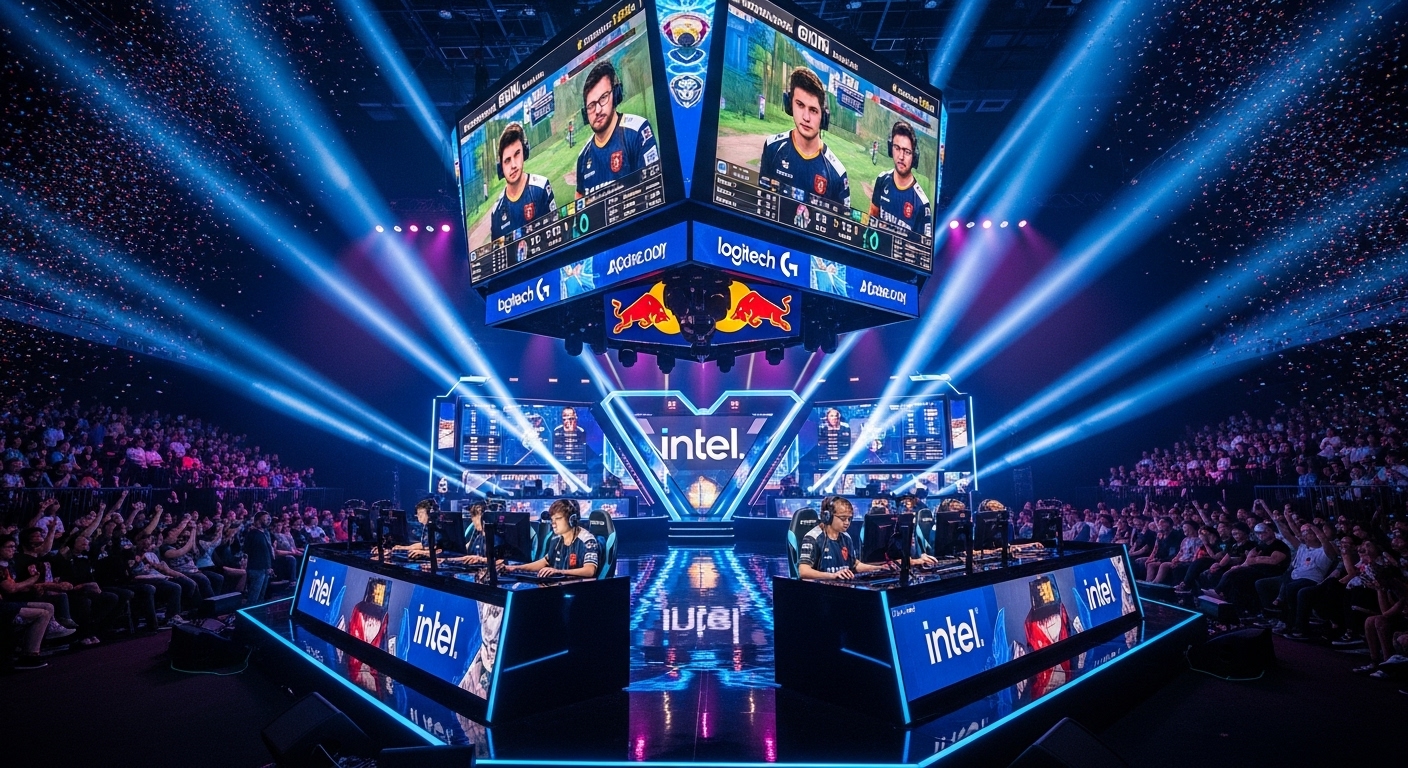
These tournaments are often held in massive arenas filled with thousands of spectators, creating an electric atmosphere similar to that of traditional sporting events. Fans cheer for their favorite teams, wear jerseys, and participate in chants. The emotional investment of the audience is a testament to how deeply Esports has embedded itself into global entertainment culture.
The competitive scene also fuels innovation and growth in game development. Developers continuously update their games to maintain balance, fairness, and excitement for both players and viewers. This dynamic relationship between game creators and the Esports community ensures that the industry remains vibrant and constantly evolving.
Challenges Facing the Esports Industry
Despite its rapid growth, Esports faces several challenges. One major issue is player burnout due to demanding schedules and long hours of practice. Mental health has become an important topic within the industry, with organizations taking steps to provide psychological support.
Another challenge is maintaining competitive integrity. Issues such as cheating, match-fixing, and performance-enhancing substances occasionally surface, threatening the credibility of competitions. Strict regulations, improved security systems, and transparent governance are crucial for preserving the integrity of Esports.
Additionally, the industry must address inclusivity and diversity. While Esports is theoretically open to everyone, barriers such as gender bias, regional inequality, and accessibility continue to exist. Promoting inclusivity will be essential for the sustainable growth of the global Esports community.
The Future of Esports
The future of Esports looks incredibly bright. Analysts predict that the industry will continue to expand across entertainment, education, and technology sectors. With advancements in virtual reality, 5G connectivity, and artificial intelligence, Esports experiences will become more interactive and immersive than ever before.
Esports could also play a key role in the future of social connection and global communication. As more people engage in online communities, competitive gaming will continue to serve as a unifying platform that transcends geographical and cultural boundaries.
Governments are beginning to recognize Esports as an official sport, offering support and regulation. The inclusion of Esports in international sporting events, such as the Asian Games, is a strong indication that it is becoming part of the mainstream sports ecosystem.
Conclusion
Esports represents the perfect blend of technology, creativity, and competition. What started as small gatherings of gamers has evolved into a multi-billion-dollar global industry that captivates audiences across continents. It has reshaped entertainment, redefined sportsmanship, and provided countless opportunities for players, developers, and fans alike.
As technology continues to advance, Esports will undoubtedly become even more prominent. It stands as a symbol of how digital culture can create meaningful global connections and inspire future generations to pursue their passions in innovative ways. The journey of Esports is far from over—it is only the beginning of a new era in the world of competitive gaming.