
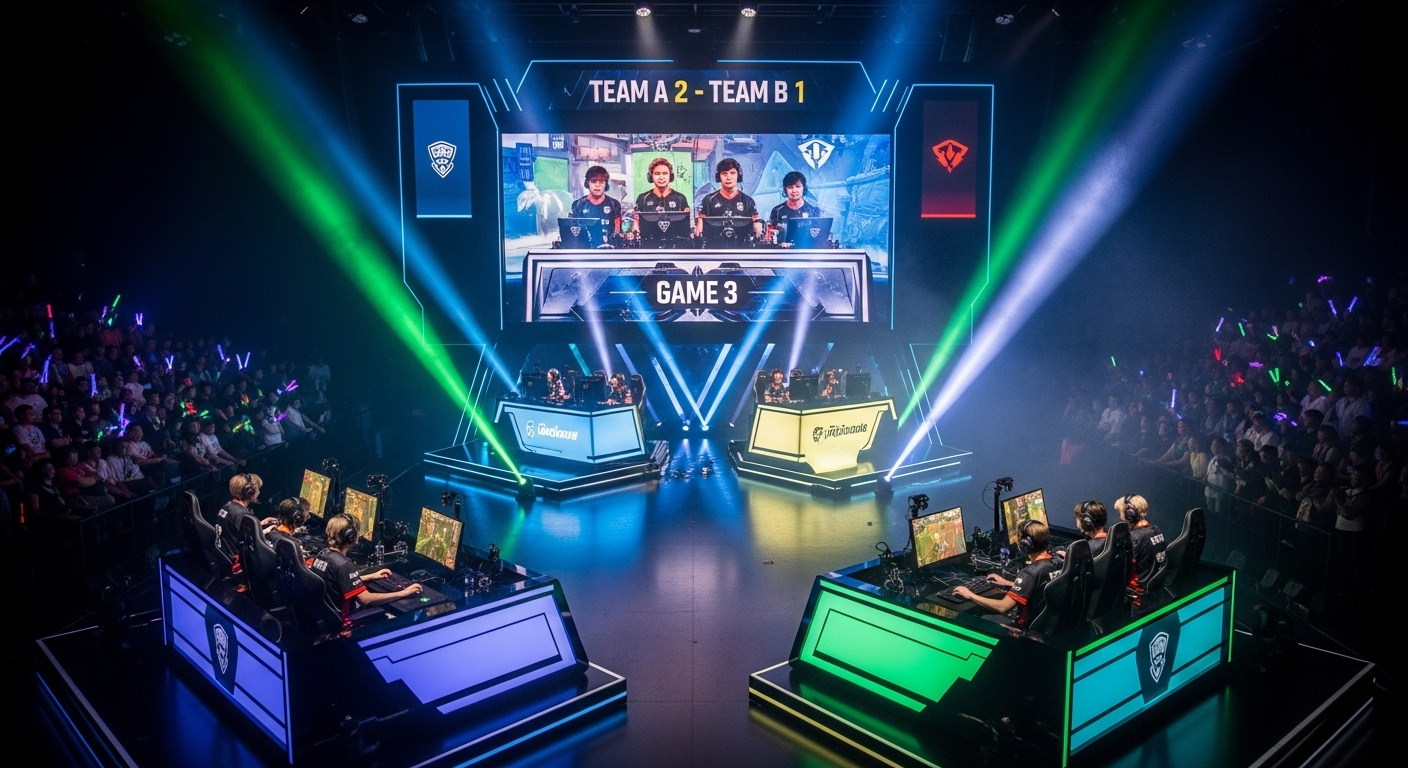
In recent years, esports has emerged from the shadows of traditional sports and entertainment to become a global phenomenon. What was once considered a niche hobby for passionate gamers has now transformed into a multi-billion-dollar industry with millions of viewers, professional players, and even international tournaments. Esports, short for electronic sports, refers to competitive gaming where players and teams compete in organized tournaments and leagues. This industry has not only redefined the concept of sports but has also reshaped the way people interact with digital entertainment.
The Origins of Competitive Gaming
Competitive gaming is not a modern concept; its roots trace back to the late 20th century. The earliest known video game competitions took place in the 1970s with games like “Pong” and “Space Invaders.” These early competitions were primarily local events, often held in arcades, where players would compete for recognition or small prizes. However, it was in the 1980s and 1990s that gaming competitions began to gain wider attention. Games such as “Street Fighter” and “StarCraft” attracted large audiences, and the emergence of arcade tournaments laid the groundwork for what would later become professional esports.
The real turning point came with the rise of the internet, which allowed players from different parts of the world to compete against each other. Online multiplayer games like “Counter-Strike” and “Warcraft III” opened the doors for organized competitions and created a new platform for esports to flourish.
The Explosion of Esports in the 21st Century
The 2000s marked the beginning of esports as a mainstream entertainment industry. With faster internet speeds and the proliferation of online gaming platforms, competitive gaming reached new heights. Games like “League of Legends,” “Dota 2,” and “Call of Duty” became global sensations, attracting millions of players and viewers. The advent of streaming platforms such as Twitch and YouTube Gaming further propelled esports into the public eye. Gamers could now broadcast their gameplay to a worldwide audience, creating a sense of community and fandom similar to traditional sports.
Professional leagues and tournaments emerged during this period, offering significant prize pools and sponsorships. The League of Legends World Championship and The International, a Dota 2 tournament, became iconic events, drawing millions of viewers and turning esports into a viable career path.
Esports as a Career
Today, esports offers a variety of career opportunities beyond just playing video games. Professional players can earn substantial incomes through tournament winnings, sponsorship deals, and streaming revenue. Teams operate like traditional sports franchises, employing coaches, analysts, and support staff. The growth of esports media has also created jobs for content creators, commentators, and journalists who cover the industry.
However, becoming a professional esports player requires immense dedication, skill, and discipline. Players often train for 8 to 12 hours a day, honing their reflexes, strategies, and teamwork. Mental resilience is just as important as physical dexterity, as competitive gaming involves high-pressure situations and intense scrutiny from fans and sponsors alike. The journey to becoming a professional player is challenging, but for those who succeed, it can be highly rewarding.
The Cultural Impact of Esports
Esports is not just a sport; it is a cultural movement. It has influenced music, fashion, and social interactions. Cosplay, fan art, and online communities are just a few examples of how gaming culture has permeated mainstream society. Esports tournaments are often massive events, attracting tens of thousands of spectators who celebrate gaming as a shared passion. These events are not only about competition but also about entertainment, with elaborate stage designs, live music performances, and interactive experiences for fans.
Moreover, esports has challenged traditional notions of sports. While conventional sports require physical prowess, esports emphasizes strategy, teamwork, and mental acuity. This shift has broadened the definition of what it means to be an athlete and opened the door for individuals who might not excel in physical sports but possess exceptional gaming skills.
Esports and Technology
The growth of esports is deeply intertwined with technological advancements. High-speed internet, powerful gaming hardware, and sophisticated software have enabled competitive gaming to reach unprecedented levels of complexity and skill. Virtual reality and augmented reality are beginning to make their mark, promising new immersive experiences for both players and viewers.
Data analytics also play a significant role in modern esports. Teams analyze player performance, strategies, and opponent tendencies to gain a competitive edge. The integration of artificial intelligence and machine learning in training and game analysis is another frontier that could transform esports in the coming years.
Global Reach and Diversity
Esports is truly a global phenomenon. While early competitive gaming was dominated by regions like South Korea and the United States, today, countries from every continent actively participate. South Korea, often regarded as the birthplace of modern esports, has produced some of the most legendary players and teams. China has become a powerhouse with massive tournaments and a thriving esports infrastructure. Europe, Southeast Asia, and Latin America are also significant contributors, each bringing unique styles and competitive approaches to the global stage.
The diversity in esports extends beyond geography. Players of different genders, backgrounds, and ages are participating, challenging stereotypes and promoting inclusivity. Women in esports are gaining recognition, and initiatives are underway to make competitive gaming more accessible to underrepresented groups.
The Business of Esports
The financial aspect of esports is staggering. Revenue comes from multiple streams, including sponsorships, advertising, merchandise, ticket sales, and media rights. Major brands recognize the marketing potential of esports, targeting younger demographics who are increasingly disengaged from traditional media. Sponsorships from tech companies, beverage brands, and even fashion labels are commonplace, highlighting the industry’s economic significance.
Teams and organizations operate like traditional sports franchises, with management, branding, and strategic planning playing crucial roles in success. Investments in esports infrastructure, such as training facilities and professional coaching staff, have elevated the industry to a level comparable to professional sports leagues.
Esports and Education
Esports is also making its mark in education. Many universities now offer esports programs, scholarships, and competitive teams. These programs combine gaming with academic learning, focusing on teamwork, strategy, and digital literacy. Some schools are even creating esports arenas on campus, giving students the opportunity to compete at high levels while pursuing their studies.
The educational benefits extend beyond competitive gaming. Students develop problem-solving skills, communication abilities, and resilience. Esports programs can foster a sense of community and belonging, especially for students who may feel isolated from traditional sports or extracurricular activities.
Challenges in the Esports Industry
Despite its growth, esports faces several challenges. Player burnout is a significant concern, as long hours of practice can lead to physical and mental health issues. The industry also grapples with issues related to cheating, match-fixing, and doping, which threaten its credibility.
Another challenge is sustainability. While esports has a large following, maintaining viewer engagement and financial stability requires constant innovation. Games rise and fall in popularity, and teams must adapt to shifting trends to remain relevant. Additionally, the lack of standardized regulations across countries complicates the professionalization of esports.
The Future of Esports
The future of esports looks promising. With advances in technology, increased mainstream recognition, and growing investment, esports is poised to continue its upward trajectory. Virtual reality, cloud gaming, and AI-driven analytics will further enhance gameplay and viewing experiences.
Esports may also integrate more closely with traditional sports. Collaborations between professional leagues and esports organizations are already underway, and the lines between digital and physical sports are beginning to blur. Moreover, as global awareness and acceptance grow, esports could become a regular feature in major international sporting events, potentially even the Olympics.
Conclusion
Esports has evolved from humble beginnings in arcades to a global industry that rivals traditional sports in popularity, revenue, and cultural influence. It represents more than just gaming—it is a celebration of skill, strategy, technology, and community. The industry continues to grow, offering career opportunities, educational programs, and entertainment to millions around the world.
As esports continues to break barriers and redefine what it means to be an athlete, its influence on society will only deepen. The journey from casual gaming to professional competition is a testament to human ingenuity, passion, and the transformative power of digital technology. Whether as a player, spectator, or industry professional, engaging with esports today means participating in one of the most dynamic cultural phenomena of the 21st century.