
Introduction: Esports – A Revolution in the Gaming World
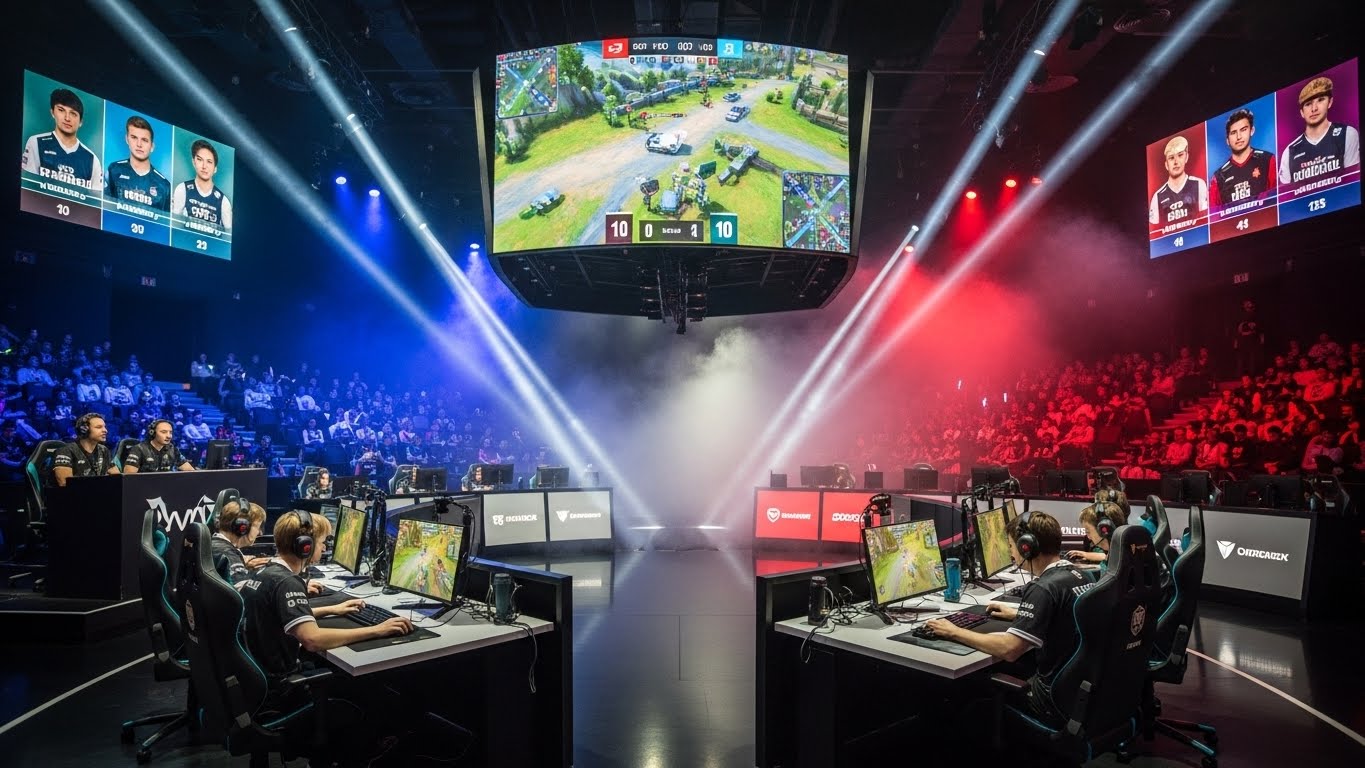
Esports, short for electronic sports, has evolved from a niche pastime to a global phenomenon. Once confined to small communities of competitive gamers, esports has now become a multi-billion-dollar industry, drawing millions of viewers, professional players, and sponsors. What was once a hobby has now become a career, with tournaments offering prize pools in the millions, and streaming platforms turning gamers into global celebrities. From humble beginnings to sold-out arenas, esports has transcended the digital world to become a mainstream form of entertainment, influencing the cultural landscape in ways that were once unimaginable. This blog will explore the rise of esports, its impact on gaming culture, the economics behind the industry, and its potential future in the world of sports and entertainment.
The Origins and Growth of Esports
The roots of esports can be traced back to the 1970s and 1980s, when early video games like Space Invaders and Pong became popular in arcades. However, it wasn’t until the late 1990s and early 2000s that esports truly began to take shape. Games like StarCraft, Warcraft III, and Quake laid the foundation for competitive gaming. These games introduced multiplayer modes and intense competition, which led to the first organized esports tournaments, most notably in South Korea.
The turning point came with the creation of large-scale events such as The World Cyber Games and Electronic Sports World Cup. These tournaments drew a global audience and demonstrated that competitive gaming had the potential to be more than just a hobby. The early success of these events paved the way for more sophisticated tournaments and professional leagues.
The explosion of high-speed internet access and the proliferation of gaming platforms further fueled the rise of esports. In the 2010s, games like League of Legends, Dota 2, and Counter-Strike: Global Offensive became the foundation of modern esports. With streaming platforms like Twitch and YouTube Gaming providing a space for players and fans to connect, esports quickly transitioned from niche to mainstream. Today, millions of fans from around the world tune in to watch professional gamers compete at the highest level.
The Cultural Impact of Esports
Esports has not only revolutionized the gaming industry but has also had a profound impact on pop culture. Competitive gaming has bridged the gap between traditional sports and video gaming, creating a unique blend of entertainment. Esports tournaments are now broadcast on major platforms, with professional players gaining celebrity status similar to athletes in traditional sports.
The cultural significance of esports is also seen in its ability to connect people from different backgrounds and countries. The global nature of esports means that players and fans can communicate and compete across borders, forming a unique international community. Esports also provides a platform for gamers to express their creativity and individuality, whether through game content creation, live-streaming, or social media engagement.
Moreover, esports has helped normalize gaming as a legitimate form of entertainment, not just for children or “geeks,” but for all ages and walks of life. This shift has led to the formation of gaming communities that are more inclusive and diverse. From casual gamers to professional players, esports has provided opportunities for everyone to get involved, whether it’s as a spectator, participant, or content creator.
The Professional Esports Scene: Players, Teams, and Leagues
Professional esports has seen a significant transformation in recent years. What was once a passion project or hobby for many players has now become a legitimate career option. Professional esports players are now considered athletes in their own right, with their skills being honed through rigorous training, practice, and competition. These players not only compete in tournaments but also maintain a public persona through streaming and social media, building massive fan bases along the way.
Esports teams are much like traditional sports teams, with players signed to contracts and often sponsored by major brands. These teams practice daily, strategize for upcoming tournaments, and participate in league events. Major esports organizations such as Cloud9, Team Liquid, and T1 have earned a reputation for excellence in games like League of Legends, Dota 2, and Valorant. These teams not only compete in tournaments but also invest in player development, coaching staff, and team infrastructure.
The rise of professional leagues has played a major role in the growth of esports. Games like League of Legends, Overwatch, and Call of Duty have all established professional leagues with regular seasons, playoffs, and championship events. These leagues are modeled after traditional sports leagues like the NBA, NFL, and European soccer leagues, offering structured competition, sponsorships, and a steady stream of income for teams and players.
Perhaps the most notable example of an esports league is the League of Legends Championship Series (LCS), which features top teams from North America battling for supremacy in the League of Legends universe. Similarly, the Overwatch League has brought a level of professionalism and organization to the esports scene, drawing huge audiences both in person and online. These leagues have elevated esports to a level where it is taken seriously by both the general public and the business world.
The Economics of Esports
The financial success of esports is one of the most impressive aspects of the industry. What started as small tournaments with modest prize pools has now become a multi-billion-dollar industry. Sponsorship deals, media rights, ticket sales, merchandise, and advertising revenue all contribute to the growth of esports. In fact, esports revenue is projected to exceed $1 billion in the coming years, with much of that growth coming from sponsorships and advertising.
One of the most significant factors in the financial growth of esports is the growing interest from big brands. Companies like Coca-Cola, Intel, Red Bull, and even traditional sports franchises have recognized the value of esports sponsorship. These brands see esports as an opportunity to tap into a younger, tech-savvy demographic that spends significant time online. Sponsorship deals can range from tournament sponsorships to product endorsements by popular players and teams.
In addition to sponsorships, esports organizations and players earn revenue through streaming platforms like Twitch and YouTube. Streamers and players can make money through ad revenue, donations from fans, and subscription models. Top-tier streamers, such as Ninja, Shroud, and Pokimane, have become some of the most influential figures in the entertainment world, with multi-million-dollar earnings from streaming, endorsements, and content creation.
Tournament prize pools also contribute significantly to the financial success of esports. Games like Dota 2 and Fortnite have set records for the largest prize pools in esports history, with The International Dota 2 tournament offering over $40 million in prize money. These large prize pools not only attract top-tier talent but also ensure that esports remains a highly competitive environment, where the best players can earn substantial rewards for their skill and dedication.
The Future of Esports: A Global Industry on the Rise
Esports shows no signs of slowing down. In fact, the future looks incredibly promising, with new games and innovations continuing to fuel the growth of the industry. As technology advances, esports will continue to evolve in ways that enhance the viewer experience, improve gameplay, and expand its reach. Virtual reality (VR) and augmented reality (AR) may play a pivotal role in the next generation of esports, offering new and immersive experiences for both players and spectators.
Additionally, the integration of esports into mainstream media continues to expand. Major sports networks like ESPN and Fox Sports have started broadcasting esports tournaments, while online platforms like Twitch and YouTube continue to grow their esports offerings. With the rise of mobile esports and the increasing popularity of mobile games, esports is no longer confined to just PCs and consoles. Mobile gaming has opened up new avenues for competition, with titles like PUBG Mobile and Clash Royale offering tournaments and competitive leagues for players around the world.
As esports continues to mature, more colleges and universities are offering scholarships for competitive gaming, and academic programs dedicated to esports management and production are emerging. These developments are solidifying esports as a legitimate career path, providing aspiring players, coaches, broadcasters, and analysts with opportunities to build a future in the industry.
Moreover, the integration of esports into traditional sports organizations will likely continue. We’ve already seen collaborations between esports organizations and football teams like the Dallas Cowboys and the Philadelphia 76ers, as well as partnerships with basketball franchises like the Golden State Warriors. This blending of esports with traditional sports is a powerful indicator of the mainstream appeal of esports and its potential to coexist with, and even enhance, the sports world.
Conclusion: Esports as the Future of Entertainment
Esports has come a long way since its inception. What began as a hobby for a small group of gamers has transformed into a global industry that rivals traditional sports in terms of viewership, revenue, and cultural impact. With a growing player base, expanding audience, and increasing financial support, esports is poised to be a dominant force in entertainment for years to come. Whether you’re a player, a fan, or just an observer, one thing is certain—esports is here to stay, and its influence will continue to grow as it evolves into the next frontier of competitive entertainment.