
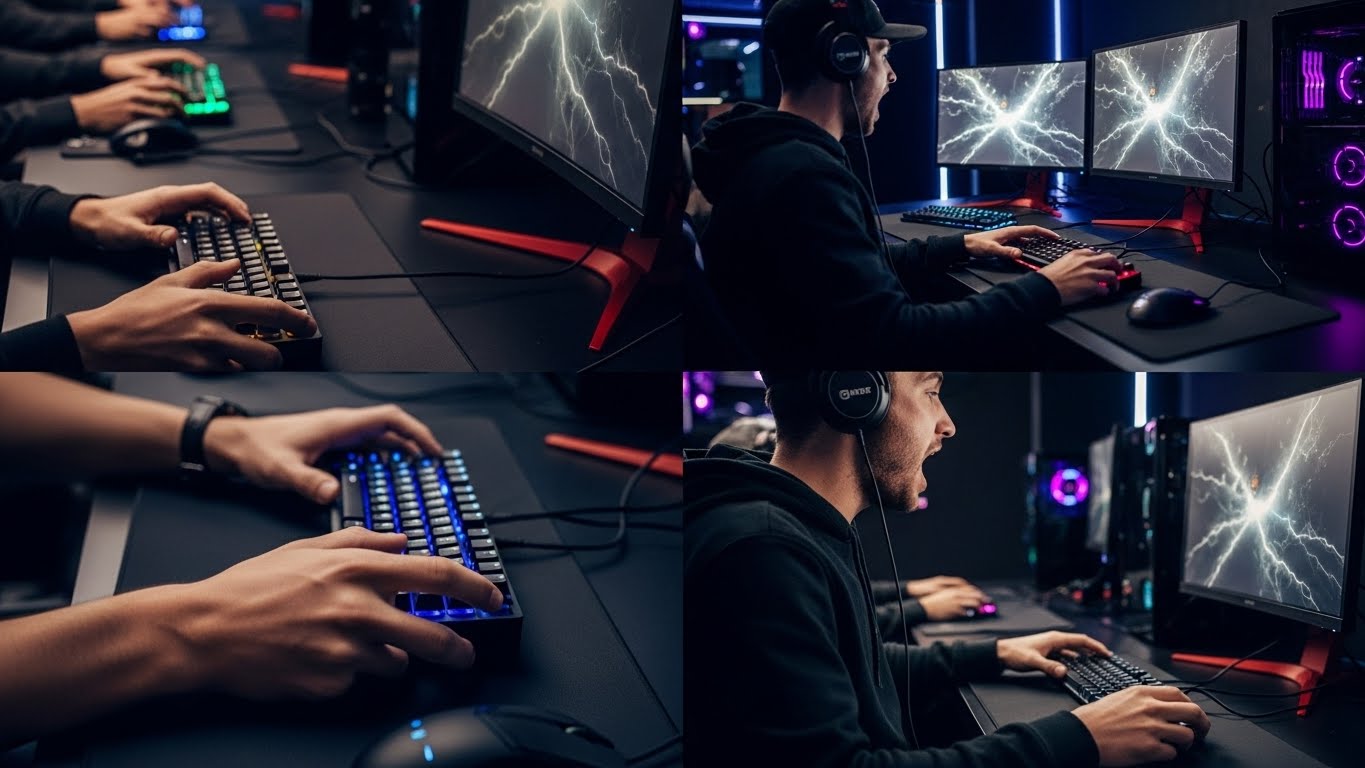
Esports, short for electronic sports, has grown from a niche hobby into a global phenomenon. Over the last two decades, competitive gaming has transformed from casual tournaments held in living rooms to professional leagues broadcast on major networks, captivating millions of viewers worldwide. Esports is no longer just about gaming; it’s a multifaceted industry encompassing sponsorships, streaming, team management, merchandise, and much more. This blog post explores the evolution of esports, its cultural impact, economic potential, and the future that lies ahead for competitive gaming.
The Birth of Esports: A Digital Revolution
Esports traces its origins back to the early days of video gaming when enthusiasts would gather in arcades and homes for friendly competitions. However, the term “esports” itself began gaining traction in the late 1990s, when the internet allowed players to connect with each other globally. Multiplayer online games like Quake and StarCraft introduced the concept of competitive gaming on a larger scale, where players could compete from different parts of the world.
The early 2000s marked the beginning of organized esports competitions. Major tournaments were held for games like Counter-Strike, Warcraft III, and StarCraft: Brood War. These tournaments were small in scope compared to today’s standards, but they laid the foundation for the community-driven structure that defines modern esports.
By the mid-2000s, gaming organizations, such as Major League Gaming (MLG), began to emerge. These organizations held larger, more professional tournaments, which attracted sponsorships, prize money, and even broadcasting rights. These early steps paved the way for what esports would eventually become: a multi-billion-dollar industry.
The Growth of Esports: From Hobby to Profession
The real boom for esports came with the rise of streaming platforms like Twitch and YouTube Gaming. These platforms gave players the ability to stream their gameplay in real time, allowing fans to watch competitions as they happened. It was no longer just about attending a live event – anyone, anywhere, could tune in and experience the action.
As the online gaming community expanded, so did the number of viewers and sponsors. Games like League of Legends, Dota 2, Counter-Strike: Global Offensive, and Fortnite quickly became household names in the esports world. With huge prize pools, global fanbases, and increasing levels of professionalism, esports transitioned from being a hobby to a legitimate career option for top players.
The explosion in esports viewership was driven by a combination of factors. The accessibility of streaming platforms, the rise of social media, and the proliferation of mobile gaming all played key roles. Esports competitions, like the League of Legends World Championship and The International for Dota 2, now attract millions of viewers, rivaling traditional sports in terms of global reach.
The Economics of Esports: A Billion-Dollar Industry
Esports is no longer just about the players and the games; it’s also a massive business ecosystem. From sponsorships to merchandising and media rights, the financial side of esports has exploded.
Sponsorships and Partnerships
Sponsorships are one of the primary sources of revenue for esports organizations, teams, and events. Major brands, both in and out of the gaming world, recognize the enormous potential in reaching the esports audience. Companies like Coca-Cola, Intel, and Red Bull have long been involved in esports, providing funding and support for various events. Moreover, brands from unrelated industries—such as automotive companies and banks—are now investing in esports teams and tournaments, seeing an opportunity to tap into the youth demographic.
Prize Pools and Crowdfunding
Prize pools for major esports tournaments have risen dramatically over the years. The International Dota 2 tournament, for instance, is notorious for its massive prize pool, often funded partially by crowdfunding through the sale of in-game items. In 2021, the prize pool for The International exceeded $40 million, a staggering amount that underscores the enormous economic scale of esports.
Streaming Revenue
With platforms like Twitch, YouTube Gaming, and Facebook Gaming, streamers are now able to make a living by broadcasting their gameplay. Popular streamers, who can amass millions of followers, can earn significant income through ad revenue, subscriptions, donations, and sponsorships. Twitch, for example, is home to some of the most prominent names in the gaming community, including Ninja, Shroud, and Pokimane.
The ability to interact with fans in real-time has contributed to the rapid rise of these platforms, turning streamers into celebrities in their own right. As esports continues to grow, streaming platforms will remain central to the business model, providing not only entertainment but also significant financial opportunities for those involved.
Merchandising
Esports teams now operate like professional sports franchises, selling branded merchandise ranging from jerseys to posters to digital goods. These sales contribute to the overall revenue of esports organizations. The branding and merchandising arm of esports is huge, with major teams like Cloud9, Team Liquid, and FaZe Clan selling millions of dollars’ worth of products each year.
The Impact of Esports on Popular Culture
The influence of esports extends far beyond just the gaming community. Esports has begun to impact mainstream culture in a number of ways, from collaborations with traditional sports leagues to appearances in popular media.
Esports and Traditional Sports
Many major sports leagues have taken notice of esports’ success and are beginning to integrate it into their business models. The NBA, for example, launched the NBA 2K League, a professional esports league based on the popular basketball simulation game. Traditional sports franchises are also acquiring esports teams, blending the worlds of physical and digital competition.
Additionally, high-profile athletes from sports like football, soccer, and basketball have expressed interest in esports. Some have invested in esports organizations or even competed in tournaments themselves. This crossover between traditional sports and esports is helping to bring gaming into the mainstream.
Esports in Mainstream Media
Esports has also become a key focus in media and entertainment. Networks like ESPN and Fox Sports have started broadcasting major esports events, further legitimizing competitive gaming as a form of entertainment. In addition, esports tournaments and personalities are frequently featured in documentaries, podcasts, and television shows, reflecting the growing cultural significance of esports.
Esports is also being increasingly featured in film and television. From movies like Free Guy to TV series like The Witcher, esports-related content is slowly becoming a fixture in popular culture.
The Social Side of Esports
Esports has created a sense of community and belonging for millions of players and fans worldwide. With online communities, fan clubs, and tournaments, players can connect, share experiences, and engage with like-minded individuals. Esports has become a global social platform where people from diverse backgrounds come together over their shared love of gaming.
The rise of esports also gives young players the chance to build careers out of something they’re passionate about. Whether through streaming, professional play, or content creation, esports provides opportunities for people to engage in digital competition while fostering a sense of accomplishment and recognition.
The Future of Esports: What Lies Ahead?
Looking toward the future, it’s clear that esports is here to stay. But what can we expect in the coming years?
Virtual Reality and Augmented Reality
As technology continues to evolve, virtual reality (VR) and augmented reality (AR) could play a significant role in the development of esports. VR, in particular, offers the potential to transform esports by providing more immersive and interactive experiences for both players and viewers. As VR hardware becomes more affordable and accessible, it’s possible that esports competitions could move beyond traditional screens to fully immersive environments.
Mobile Esports
Mobile gaming is already a massive part of the gaming landscape, and its importance in esports is only set to grow. Games like PUBG Mobile, Mobile Legends, and Free Fire have already garnered huge esports scenes in regions like Southeast Asia and India. As mobile devices become more powerful, we can expect to see mobile esports rise to even greater prominence in the coming years.
Integration with Traditional Sports
Esports may continue to integrate with traditional sports in new and exciting ways. As more professional sports teams and organizations invest in esports, we may see further crossovers between digital and physical athleticism. For example, partnerships between esports organizations and sports leagues could lead to more collaborative events and content, further blurring the lines between the two industries.
Conclusion
Esports has come a long way from its humble beginnings as a hobby for gamers. Today, it stands as a global industry with a vibrant culture, massive economic potential, and an ever-growing fanbase. Whether you’re a casual gamer, an esports enthusiast, or someone interested in the economic and social aspects of this phenomenon, there’s no denying that esports is shaping the future of entertainment. With constant innovation in gaming technology, increased media coverage, and more opportunities for players and fans, the future of esports looks brighter than ever.