
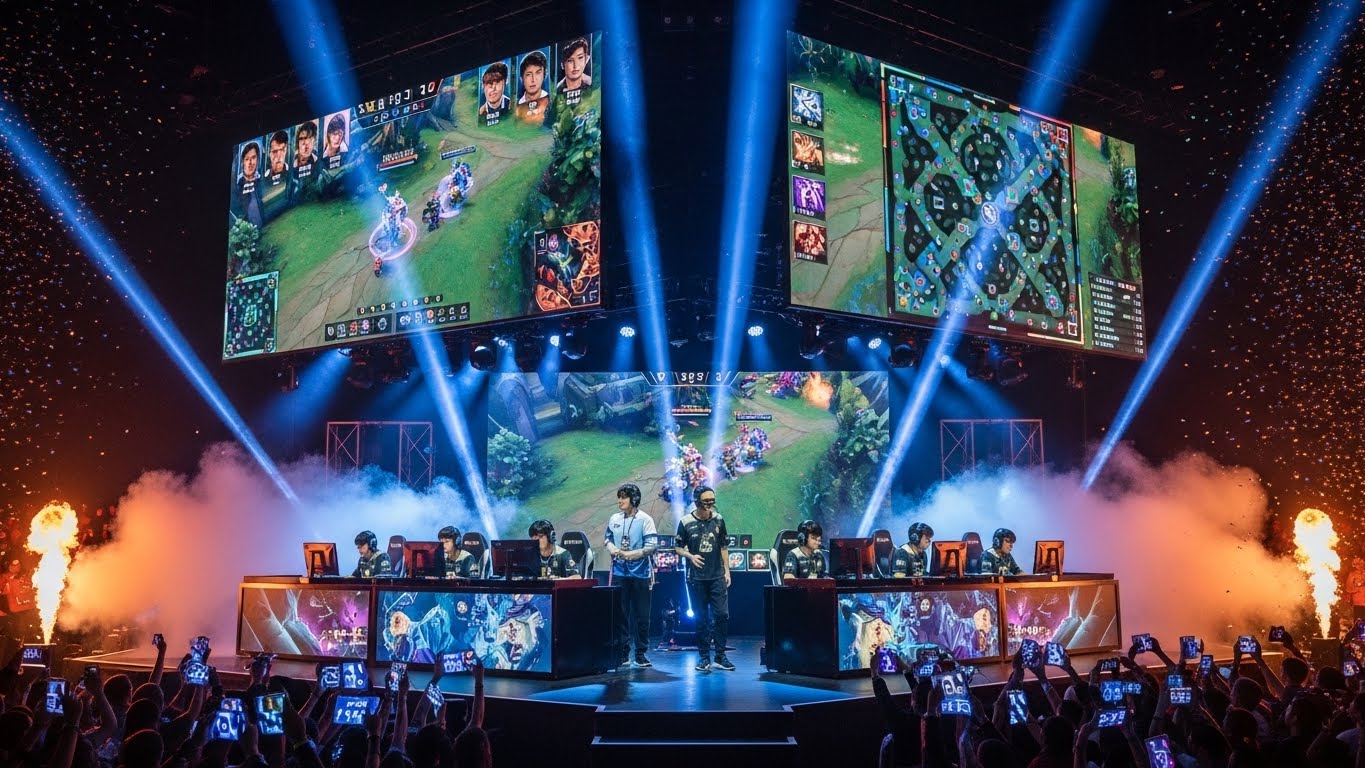
Esports, short for electronic sports, has evolved from a niche hobby into a global phenomenon, captivating millions of fans and redefining what it means to compete in the digital age. What once started as small gatherings of gamers has now grown into a billion-dollar industry with professional leagues, international tournaments, and players who enjoy celebrity-like status. This transformation reflects not just the growth of gaming but also the changing dynamics of sports, entertainment, and culture.
Understanding Esports
At its core, esports refers to organized competitive video gaming. Players or teams compete in specific video games, often following professional rules and structures similar to traditional sports. The popularity of esports lies in its ability to combine strategic thinking, reflexes, teamwork, and entertainment. Unlike traditional sports, which rely on physical exertion, esports emphasizes skill, coordination, and mental agility.
Esports spans multiple genres, including real-time strategy games, first-person shooters, multiplayer online battle arenas, and sports simulations. Popular titles like League of Legends, Dota 2, Counter-Strike: Global Offensive, and Fortnite have become household names among gamers and fans alike. Each game has its unique competitive ecosystem, tournaments, and fan communities, making esports a diverse and dynamic field.
The Growth of the Esports Industry
The esports industry has witnessed exponential growth over the past decade. From small LAN parties to major international tournaments with prize pools reaching millions of dollars, the scale of esports has expanded dramatically. Key factors driving this growth include technological advancements, increased internet accessibility, and the rise of streaming platforms.
Streaming platforms have played a pivotal role in esports’ popularity. Platforms like Twitch, YouTube Gaming, and other live-streaming services allow fans to watch their favorite players and teams in real time. This accessibility has turned esports into a spectator sport, attracting audiences comparable to traditional sports events. Professional leagues and tournaments now regularly fill arenas and stadiums, further highlighting the mainstream appeal of competitive gaming.
Sponsorship and advertising have also fueled the industry’s growth. Big brands from technology, beverages, and lifestyle sectors now invest heavily in esports teams and events, recognizing the marketing potential of reaching a young, engaged audience. This influx of sponsorship has allowed professional players to earn substantial incomes, further legitimizing esports as a career path.
Esports as a Career
Esports offers diverse career opportunities beyond playing professionally. Aspiring players can train and compete, with top performers joining professional teams that participate in global competitions. These players often sign contracts similar to traditional athletes, including salaries, performance bonuses, and endorsement deals.
Apart from playing, careers in esports include roles such as coaching, game analysis, commentary, event management, content creation, marketing, and broadcasting. Esports organizations operate much like traditional sports franchises, requiring a wide range of professionals to manage operations, media, and fan engagement. For those passionate about gaming, esports provides an avenue to turn their hobby into a sustainable career.
Training and discipline are crucial in professional esports. Players often spend several hours daily practicing game mechanics, strategies, and teamwork. Mental resilience is equally important, as competitive gaming can be stressful and demanding. Many esports teams employ psychologists and trainers to ensure players maintain peak performance both mentally and physically.
The Global Appeal of Esports
One of the remarkable aspects of esports is its global reach. Unlike traditional sports, which may be popular only in certain regions, esports transcends geographical boundaries. Players from Asia, Europe, North America, and South America regularly compete in international tournaments, showcasing a truly global talent pool.
South Korea has long been recognized as a pioneer in esports, with professional gaming integrated into mainstream culture. Cities have esports arenas, televised leagues, and player academies, making gaming a legitimate career path. Other regions, including China, North America, and Europe, have also witnessed tremendous growth, with massive tournaments and fan bases emerging.
Cultural diversity within esports has fostered a unique sense of community. Fans engage in online discussions, support teams from different countries, and celebrate individual player achievements. This global network of players and enthusiasts creates an inclusive environment where passion for gaming unites people from varied backgrounds.
Technology and Esports
The advancement of technology has been a key enabler of esports’ growth. High-speed internet, powerful gaming hardware, and sophisticated streaming platforms have created the infrastructure necessary for competitive gaming on a massive scale. Virtual reality and augmented reality technologies are beginning to influence the esports landscape, introducing new ways for players and fans to interact with games.
Artificial intelligence also plays a role in esports, particularly in training and analytics. AI tools help analyze gameplay, identify weaknesses, and develop strategies. Teams leverage data-driven insights to optimize performance, making esports a fusion of skill, strategy, and technology. The continuous evolution of gaming technology ensures that esports remains a dynamic and cutting-edge field.
The Social Impact of Esports
Esports has a profound social impact, particularly among younger generations. It offers a platform for social interaction, teamwork, and collaboration. Players develop communication skills, strategic thinking, and problem-solving abilities, all of which are transferable to real-life contexts.
Furthermore, esports has challenged traditional perceptions of sports and competition. It demonstrates that athleticism is not limited to physical prowess but can also encompass mental agility, reflexes, and strategy. The success of esports athletes has inspired new definitions of skill, discipline, and achievement in the digital age.
Esports also fosters inclusivity. Online gaming provides opportunities for individuals who may face barriers in traditional sports due to physical limitations, gender, or geographical constraints. Communities within esports often support diversity and encourage participation from all walks of life.
Challenges Facing Esports
Despite its rapid growth, esports faces several challenges. One major concern is the mental and physical health of professional players. Long hours of practice, high-pressure competition, and the sedentary nature of gaming can lead to stress, burnout, and physical strain. Addressing these concerns requires proper training regimens, psychological support, and awareness of work-life balance.
Another challenge is the legitimacy of esports as a professional sport. While recognition has grown, esports still faces skepticism from some traditional sports institutions and society at large. Establishing standardized regulations, fair contracts, and anti-cheating measures are essential for sustaining the integrity of competitive gaming.
Monetization and revenue models also pose challenges. While sponsorship, streaming, and merchandise sales generate income, many professional players and small organizations struggle to secure sustainable funding. Ensuring fair compensation and long-term viability remains a crucial issue for the industry.
The Future of Esports
The future of esports looks promising, with continuous growth expected in audience size, revenue, and technological innovation. Emerging trends include virtual reality competitions, AI-driven training programs, and hybrid tournaments that combine online and offline participation.
Education and training in esports are also gaining traction. Schools and universities are offering programs in game design, esports management, and competitive training, further legitimizing the industry and providing structured pathways for aspiring professionals.
Esports may also integrate more closely with mainstream sports and entertainment. Collaborations between traditional sports leagues and esports organizations are already underway, blending fan engagement, branding, and cross-platform experiences. This convergence is likely to expand the reach and influence of esports globally.
Conclusion
Esports represents a revolution in competitive entertainment. It has transformed gaming from a pastime into a global industry, offering opportunities for players, professionals, and fans alike. The growth of esports reflects technological advancement, cultural shifts, and the universal appeal of competition.
While challenges exist, including health concerns, legitimacy, and sustainability, the industry continues to evolve rapidly. Esports is more than just a game; it is a cultural movement, a career pathway, and a new form of sportsmanship in the digital age. As audiences grow, technology advances, and communities flourish, esports will continue to redefine what it means to compete, connect, and succeed in the 21st century.