
Introduction
In the modern age of entertainment, few industries have experienced such a meteoric rise as esports. What once began as a small, underground culture of gamers competing in local arcades or living rooms has now evolved into a global spectacle watched by millions. Esports today rivals traditional sports in audience size, sponsorship deals, and even prize money. It’s not just a subculture anymore—it’s a revolution in how the world views competition, community, and digital entertainment.
Esports, short for electronic sports, refers to organized, competitive gaming at a professional level. Players compete in games like League of Legends, Counter-Strike, Dota 2, Valorant, and Fortnite, representing teams, nations, or themselves. It combines strategy, skill, and teamwork in ways that make it both entertaining and intellectually engaging. But beyond the games themselves, esports is about people—the fans, the players, the creators, and the industries that support them.
The Origins of Competitive Gaming
Before the glitz and glamor of esports arenas, the story began with a handful of passionate gamers in the 1970s and 1980s. The earliest recorded gaming competition took place in 1972 at Stanford University, where students competed in Spacewar! for a subscription to Rolling Stone magazine. It may sound humble compared to million-dollar tournaments today, but that small event marked the first step toward something much larger.
The 1980s saw arcade gaming explode in popularity, giving rise to competitive high-score chases in titles like Pac-Man and Donkey Kong. Magazines and early gaming communities began publishing leaderboards, sparking rivalries among players who wanted to be the best. These contests planted the seeds of esports culture—the drive to be recognized for skill in a virtual arena.
Then came the 1990s, when gaming moved into homes through consoles and personal computers. Games like Street Fighter II and StarCraft became early competitive staples. Local tournaments and LAN parties became the heart of gaming culture, allowing players to test their skills against one another. Korea, in particular, became a global center for competitive gaming, with StarCraft turning players into national celebrities and televised matches drawing huge audiences.
The Evolution into Organized Esports
By the 2000s, the structure of competitive gaming became more formalized. Major organizations, sponsors, and gaming companies started to see the potential in hosting professional tournaments. The introduction of broadband internet also changed everything. Suddenly, players could compete online, no longer limited to their local communities.
Games like Counter-Strike 1.6, Warcraft III, and Halo began shaping the global esports scene. Leagues such as Major League Gaming (MLG) in North America and the World Cyber Games (WCG) internationally brought legitimacy and visibility. The era of online broadcasting had begun, and with it came a new form of spectator entertainment.
However, the true turning point came in the 2010s. The growth of streaming platforms like Twitch revolutionized esports. Fans could now watch their favorite players and tournaments in real-time from anywhere in the world. This direct connection between player and audience created a thriving community that fueled exponential growth.
The Globalization of Esports
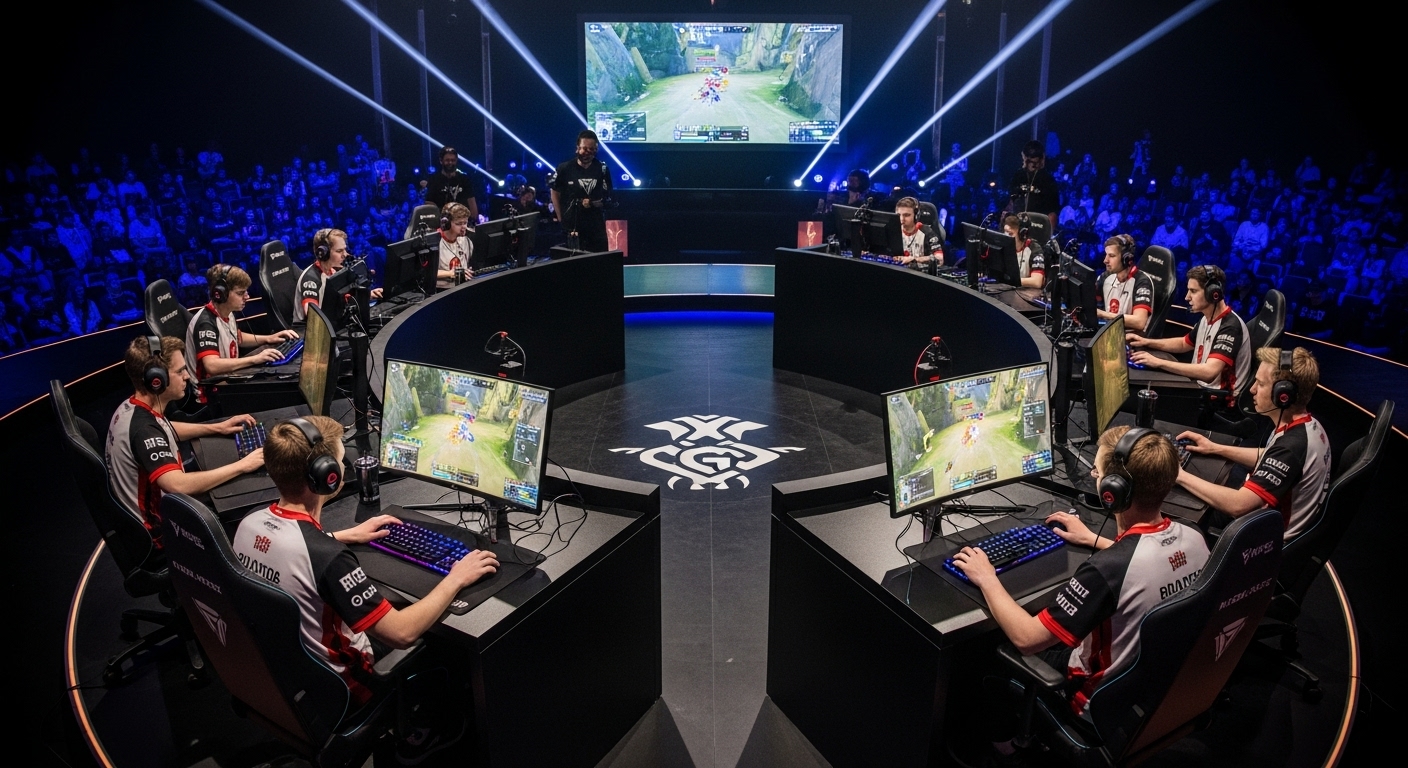
Today, esports is a global industry worth billions of dollars. Tournaments fill entire stadiums, from New York to Seoul to Berlin. Teams and players have become brands, with sponsors ranging from technology giants to luxury fashion labels. Countries have begun to recognize esports as a legitimate form of competition, with discussions about including it in future Olympic events.
Asia remains the epicenter of esports dominance, with countries like South Korea and China producing world-class players and teams. Meanwhile, North America and Europe have built strong ecosystems with leagues, universities, and training facilities dedicated entirely to esports. Even regions like the Middle East, Africa, and South America are now emerging as competitive powerhouses.
What’s fascinating is how esports transcends language and geography. Fans from different continents can root for the same team or streamer. Online platforms and social media make it easy for people to share clips, memes, and highlights instantly. This global unity makes esports more than a pastime—it’s a shared culture that connects millions.
The Esports Ecosystem
Behind every successful esports event lies a complex and interconnected ecosystem. It’s not just about players and tournaments. Developers, sponsors, broadcasters, event organizers, analysts, and even journalists all play crucial roles.
Game Developers: They design and maintain the competitive games that fuel esports. Balancing gameplay, updating features, and organizing official leagues are part of their responsibility. Titles like League of Legends and Overwatch owe their esports success largely to the support and involvement of their developers.
Teams and Organizations: Professional esports organizations manage players much like traditional sports teams. They handle training, branding, contracts, and sponsorships. Top organizations have multiple divisions competing in various games, expanding their global reach.
Coaches and Analysts: Behind every successful team are analysts who study strategies, opponents, and game data. Coaching in esports is now a full-fledged profession, focusing on both gameplay and mental health.
Broadcasters and Commentators: Known as “casters,” these personalities bring energy and insight to live matches. They are the voice of esports, helping fans understand the strategies and hype behind each play.
Fans and Communities: The soul of esports lies in its community. Whether through live chats, fan art, memes, or meetups, the fanbase contributes to the culture and keeps the scene vibrant.
The Rise of Esports Careers
The beauty of esports is that it has opened doors for countless careers beyond just playing. Not everyone can become a professional gamer, but many find success as streamers, analysts, journalists, or event organizers. Universities around the world now offer scholarships and degrees related to esports management, game design, and broadcasting.
Players themselves can transition into coaching, commentary, or content creation once their competitive days end. The career lifespan of a pro player might be short due to the intense mental and physical strain, but the industry ensures multiple avenues for long-term involvement.
The Role of Technology in Esports
Technology has always been the backbone of esports. From high-performance gaming PCs to advanced streaming software, every innovation pushes the boundaries of what’s possible. Virtual reality and augmented reality are also opening new frontiers, hinting at the next generation of immersive competition.
Fast internet speeds, cloud gaming, and real-time data analytics are making esports more accessible and competitive. Players can practice with tools that analyze their performance, helping them refine reaction times and decision-making. Meanwhile, AI and machine learning are helping developers maintain game balance and detect cheating—ensuring fairness in competition.
The Impact of Streaming and Content Creation
Streaming is arguably the biggest factor behind esports’ global success. It allows fans to watch tournaments live and engage directly with players. Platforms dedicated to gaming have transformed entertainment, creating an entire generation of digital celebrities.
Streamers bridge the gap between casual viewers and professional scenes. They provide tutorials, humor, and commentary that draw in massive audiences. For many players, streaming offers a way to earn income while building a personal brand. This blend of competition and entertainment is what makes esports uniquely engaging.
Esports and Traditional Sports: The Great Comparison
The debate between esports and traditional sports is ongoing. Critics argue that esports lacks the physicality of sports, while supporters counter that it demands equal levels of strategy, reflexes, and teamwork. The truth lies somewhere in between.
Both worlds share striking similarities. Professional players follow strict training routines, manage diet and sleep, and practice for hours daily. Coaches develop strategies, teams rely on synergy, and fans form passionate communities. The only difference is the arena—digital instead of physical.
Moreover, traditional sports organizations are now investing heavily in esports. Football clubs, basketball franchises, and even Olympic committees are establishing their own teams or leagues. This fusion of physical and digital competition signals a future where both coexist harmoniously.
Challenges Facing the Esports Industry
Despite its incredible growth, esports still faces challenges. Player burnout is a major concern, as intense schedules and pressure can affect mental health. The industry also struggles with issues like cheating, match-fixing, and lack of standard regulation.
Another concern is sustainability. Many organizations rely heavily on sponsorships, and fluctuating viewership numbers can impact revenue. Building long-term stability requires consistent fan engagement, clear structures, and fair treatment of players.
Inclusivity is another ongoing topic. The industry is still predominantly male, and there’s a growing movement to promote diversity among players, casters, and developers. Creating safe and welcoming environments for all participants remains essential to esports’ continued growth.
The Cultural Impact of Esports
Esports has become more than a form of entertainment—it’s a cultural movement. It influences fashion, music, art, and even education. Major tournaments feature live performances, collaborations with artists, and stunning stage productions that rival major concerts.
Pop culture has embraced esports too. Documentaries, movies, and series now explore the lives of professional players. Esports athletes have appeared in brand endorsements, talk shows, and advertising campaigns. Gaming terms, memes, and slang have entered mainstream language, showing how deeply esports has intertwined with modern life.
The Future of Esports
Looking ahead, esports shows no sign of slowing down. With advancing technology, increasing investment, and growing mainstream acceptance, the future looks brighter than ever. We can expect more immersive experiences, such as virtual reality tournaments or mixed-reality competitions blending physical and digital spaces.
Education and training will also evolve, with esports academies shaping the next generation of players. Governments and institutions are already exploring ways to regulate and support the industry to ensure fair play and ethical growth.
In the long run, esports may become as integral to global culture as soccer or basketball. Its digital nature gives it a unique advantage—it’s limitless, borderless, and always evolving.
Conclusion
Esports represents the intersection of technology, creativity, and human ambition. What began as friendly competition among gamers has become a worldwide movement redefining entertainment and community. It celebrates not just victory, but also teamwork, perseverance, and innovation.
From basement LAN parties to sold-out arenas, esports has proven that passion and skill can build an empire without borders. It connects people across continents, languages, and generations. And as it continues to grow, one thing is certain—the era of esports has only just begun.