
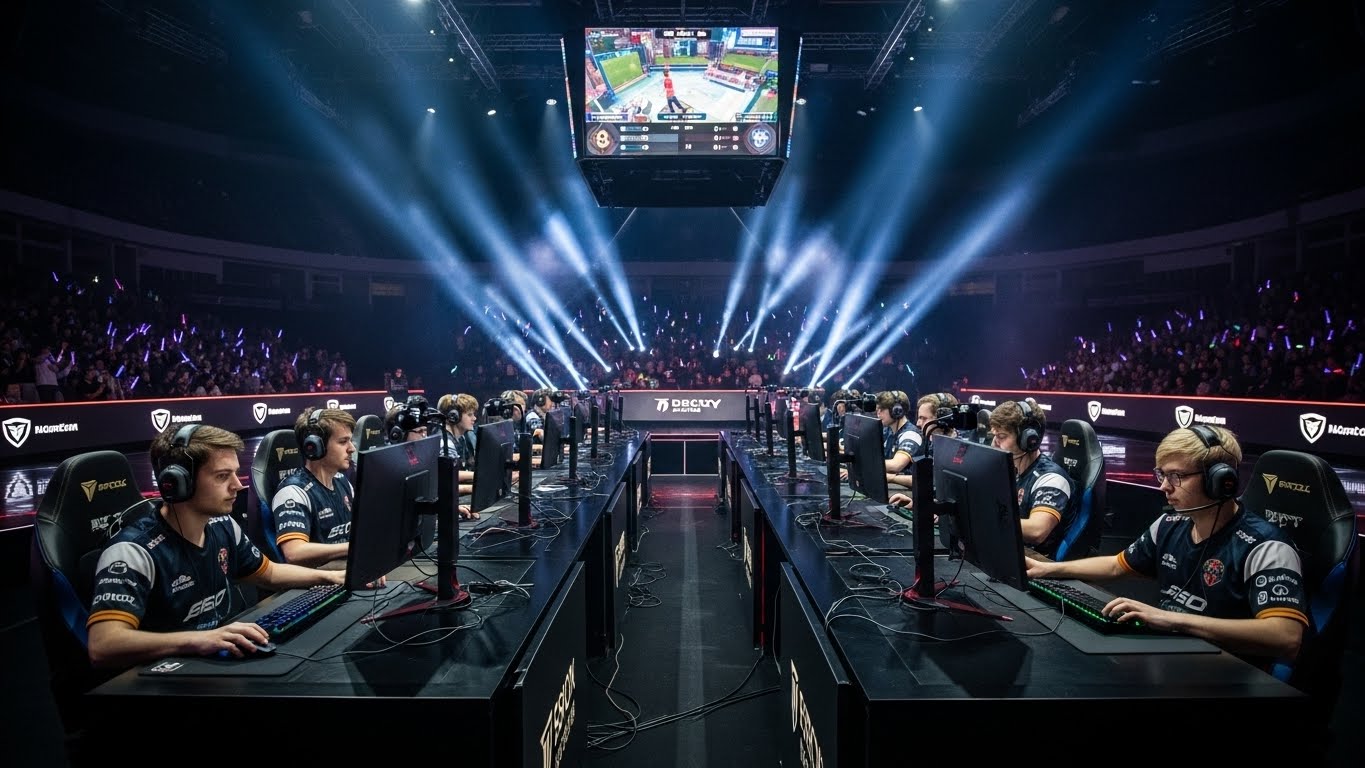
Introduction: Esports Beyond Entertainment
In the last decade, the world of competitive gaming, known as esports, has evolved from a niche hobby into a global phenomenon. Once considered a pastime for a small group of enthusiasts, esports now attracts millions of viewers, professional players, and substantial investments from major brands. The industry’s rapid growth has redefined how we perceive video games, turning them into legitimate careers, high-stakes competitions, and cultural touchstones.
The Origins of Esports: From Arcades to Arenas
Esports did not appear overnight. Its roots can be traced back to the early days of arcade competitions in the 1980s. Players would compete in local arcades for high scores, gaining recognition among peers. The 1990s introduced multiplayer games and LAN parties, where enthusiasts would gather to compete in titles like StarCraft and Quake. These early competitions laid the groundwork for the organized tournaments we see today. The launch of online gaming in the 2000s accelerated this growth, enabling players from around the world to compete instantly.
Major Games Shaping the Esports Landscape
Several games have become cornerstones of the esports world. Titles like League of Legends, Dota 2, Counter-Strike: Global Offensive, Fortnite, and Valorant dominate competitive play. Each game offers a unique blend of strategy, skill, and teamwork that attracts both players and spectators. For example, multiplayer online battle arena games like League of Legends require intricate coordination and strategic planning, while first-person shooters demand fast reflexes and precise aim. These differences in gameplay cater to a wide audience and contribute to esports’ diverse appeal.
The Structure of Esports Competitions
Esports competitions are highly organized, often mirroring traditional sports leagues. They typically include regional qualifiers, major tournaments, and global championships. Professional teams consist of players, coaches, analysts, and support staff, all working to optimize performance. Just like in physical sports, players undergo rigorous training schedules, reviewing gameplay footage, developing strategies, and improving their mechanical skills. The competitive ecosystem also includes sponsors, streaming platforms, and media coverage, creating a multifaceted industry that extends beyond the game itself.
The Role of Streaming and Media in Esports Growth
Streaming platforms have played a crucial role in the meteoric rise of esports. Platforms like Twitch and YouTube Gaming allow players to broadcast their gameplay to millions of viewers in real-time. This has created a new form of entertainment that merges traditional sports broadcasting with interactive engagement. Fans can chat with players, participate in polls, and even influence decisions in some games. Media coverage, including esports news sites, podcasts, and tournaments televised on mainstream channels, has further solidified esports as a recognized form of competition.
Economic Impact of Esports
The esports industry generates billions of dollars annually. Revenue comes from various sources including sponsorships, advertising, merchandise, ticket sales for live events, and streaming subscriptions. Major brands invest in esports as a way to reach younger audiences who may be less engaged with traditional media. Professional players can earn substantial incomes through salaries, tournament winnings, and endorsements, making esports a viable career path. The economic ecosystem also supports related industries, such as gaming hardware, software development, and event management, creating jobs and driving innovation.
Esports and the Professional Athlete Lifestyle
Being a professional esports player demands discipline and dedication similar to traditional athletes. Players often follow strict training regimens, focusing on improving reaction times, strategic decision-making, and teamwork. Nutrition, exercise, and mental health have become critical components of a player’s routine. Esports teams hire psychologists and fitness coaches to help players manage stress, avoid burnout, and maintain peak performance. This professional approach has helped esports gain credibility and respect within the broader sporting community.
Social and Cultural Influence of Esports
Esports has a profound impact on modern culture. It has created communities around games, enabling players to connect across borders, share experiences, and participate in fan culture. Esports events often feature cosplay, fan art, and community-driven activities, blending gaming with entertainment and social interaction. Additionally, esports has inspired a new generation of content creators, influencers, and storytellers, further embedding gaming culture into mainstream media.
Challenges Facing the Esports Industry
Despite its rapid growth, esports faces several challenges. The intense pressure of competitive play can lead to burnout and mental health issues among players. There is also a lack of standardized regulation in some regions, leading to inconsistent rules and disputes. Cheating and toxicity in gaming communities can tarnish the industry’s reputation, while reliance on digital infrastructure makes esports vulnerable to technical failures. Addressing these challenges is essential for ensuring sustainable growth and maintaining the integrity of competitions.
The Future of Esports
The future of esports looks promising, with opportunities for further expansion. Virtual reality and augmented reality technologies may create immersive experiences that redefine competitive gaming. Universities and schools are increasingly offering esports programs, scholarships, and courses, recognizing its educational and career potential. Esports could also see greater integration with traditional sports, as collaborations between professional leagues and gaming companies continue to grow. As technology, community engagement, and investment continue to advance, esports is likely to become an even more influential part of global culture.
Conclusion: Esports as a Cultural and Economic Force
Esports has transcended its origins as a niche hobby to become a major cultural and economic force. With professional players, global tournaments, and millions of passionate fans, it has proven that gaming is more than just entertainment—it is a platform for competition, creativity, and connection. While challenges remain, the continued growth of esports demonstrates its lasting impact on society, technology, and the way we experience digital culture. The rise of esports is not just a trend; it is a transformation in how we understand sports, community, and the power of interactive entertainment.