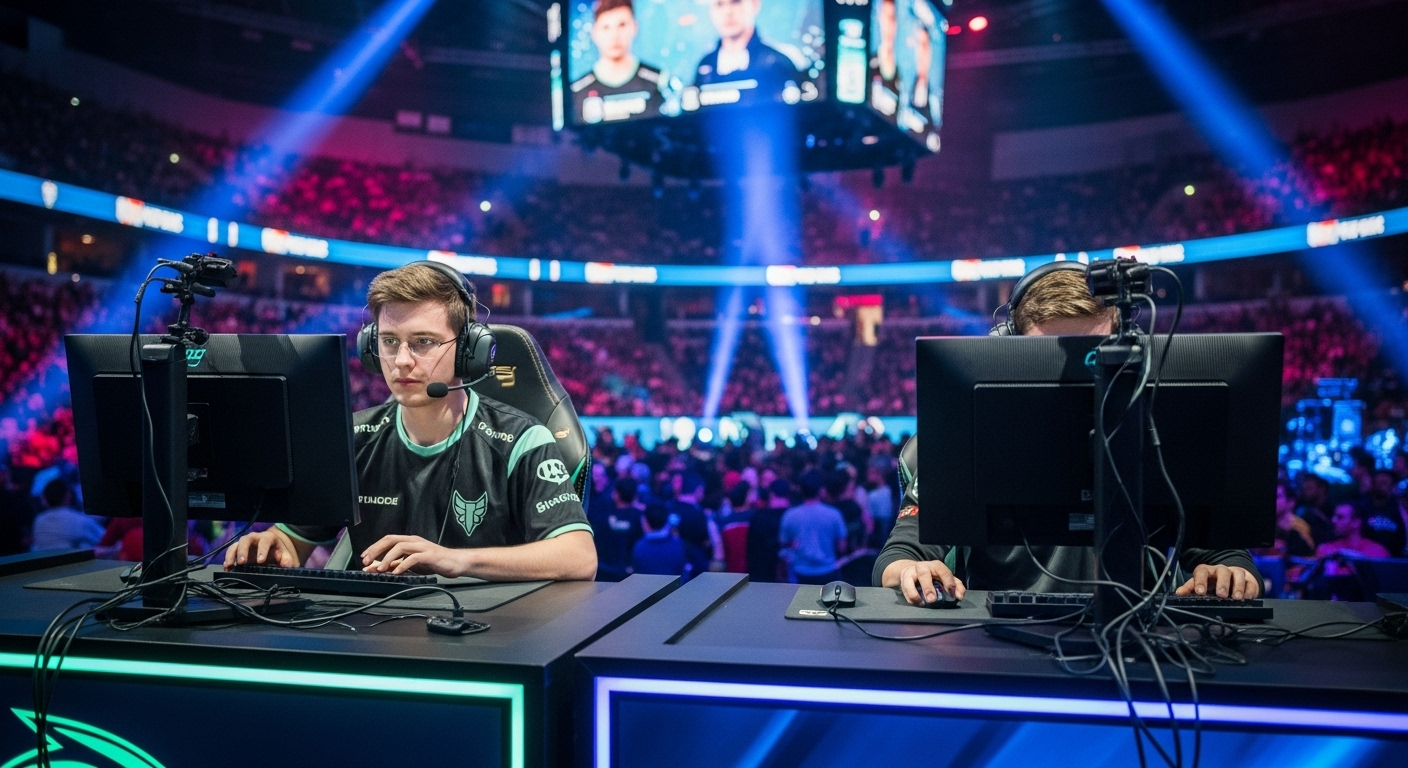
Esports has become one of the most competitive and rapidly growing industries in the world. Games like Counter-Strike: Global Offensive, Valorant, Overwatch, and Call of Duty rely heavily on precision, speed, and split-second decision-making. Among all the skills a player can develop, aim and reflexes are often the most crucial. Mastering these skills can mean the difference between victory and defeat in competitive matches.
In this blog, we will explore top tips and techniques to improve your aim and reflexes. These strategies come from professional players, coaches, and esports trainers, and can be adapted for beginners as well as seasoned players seeking to enhance their performance.
Understanding the Importance of Aim and Reflexes
Aim and reflexes are more than just quick reactions—they are the foundation of consistent performance in esports.
Precision Matters
Good aim ensures that every shot counts. Whether it’s landing headshots in a shooter or precise skillshots in MOBAs, precision allows you to control engagements and secure kills efficiently.
Speed and Timing
Reflexes allow players to react to unexpected threats in milliseconds. In high-stakes games, the ability to respond faster than your opponent is often the difference between winning and losing a round.
Muscle Memory
Repeated practice builds muscle memory, allowing your body to instinctively perform actions without conscious thought. This reduces reaction time and increases consistency under pressure.
Tip 1: Practice with Aim Trainers
Professional players often use aim training software to refine their shooting accuracy. Aim trainers simulate in-game scenarios and allow you to focus specifically on reaction times, flick shots, and tracking.
Popular Aim Training Exercises
- Flick Shots: Quickly move your crosshair to targets that appear randomly on the screen.
- Tracking: Follow a moving target steadily without overshooting.
- Reaction Time Drills: Respond to sudden targets appearing, improving hand-eye coordination.
Recommended Routine
Consistent, short sessions of 15–30 minutes daily are more effective than long, irregular practice. This builds precision without causing fatigue.
Tip 2: Optimize Your Sensitivity Settings
Sensitivity settings directly impact your aim. Finding the perfect balance allows for both precise small movements and fast turns.
Key Considerations
- Mouse DPI: Most professional FPS players use a DPI between 400–800, allowing for controlled movements.
- In-Game Sensitivity: Pair your DPI with in-game sensitivity to ensure comfort and accuracy.
- Consistency: Avoid frequently changing settings; your muscle memory improves when sensitivity remains consistent.
Testing Your Setup
Spend time experimenting with sensitivity until you can reliably hit targets in practice scenarios. Small adjustments can make a significant difference.
Tip 3: Warm Up Before Matches
Warming up is essential for peak performance. Reflexes and aim are sharper when your muscles and nerves are properly activated.
Warm-Up Exercises
- Target Practice: Spend 5–10 minutes in aim trainers or custom maps.
- Dynamic Stretching: Stretch your wrists, forearms, and shoulders to reduce fatigue.
- Reaction Drills: Quick-tap exercises improve hand-eye coordination.
Warming up ensures you enter competitive matches with optimal performance and reduces the risk of strain.
Tip 4: Strengthen Hand-Eye Coordination
Hand-eye coordination is crucial for linking visual input to physical response. Improving it enhances both reflexes and accuracy.
Effective Exercises
- Track Moving Objects: Practice tracking a ball or object with your eyes and hand simultaneously.
- Fast Click Games: Simple online clicking games can improve reaction speed.
- Juggling: Surprisingly, juggling enhances coordination and timing, which translates to gaming.
These exercises develop neural connections that allow faster and more precise reactions during intense gameplay.
Tip 5: Focus on Posture and Ergonomics
Physical posture affects reaction speed, accuracy, and endurance. Professional players often spend years refining their setup to maximize comfort and efficiency.
Key Tips
- Chair and Desk Height: Your elbows should be at a comfortable angle, and your wrist should remain neutral.
- Monitor Position: Keep the screen at eye level and at a distance that allows you to see the entire play area without strain.
- Relaxed Grip: Avoid gripping the mouse too tightly, as tension slows reactions and causes fatigue.
Proper ergonomics enhance both reflexes and accuracy during long gaming sessions.
Tip 6: Mental Focus and Reaction Time
Reflexes are not only physical—they are also mental. Quick decision-making and alertness improve your ability to react under pressure.
Techniques to Improve Mental Reflexes
- Visualization: Mentally rehearse scenarios and reactions before gameplay.
- Mindfulness and Meditation: Reducing stress helps maintain calm, allowing quicker responses.
- Focus Drills: Limit distractions and practice concentrating on small details to sharpen awareness.
A strong mental state enhances both reflexes and overall game sense.
Tip 7: Analyze Gameplay
Reviewing your own matches or professional gameplay helps identify weaknesses and improve reflex decision-making.
Benefits of Analysis
- Spot inaccurate aim patterns.
- Understand positioning mistakes that affect reaction opportunities.
- Learn pro strategies to anticipate opponents’ moves.
Recording and reviewing gameplay ensures that every practice session is targeted and effective.
Tip 8: Rest and Recovery
Reflexes degrade when fatigued. Long gaming sessions without breaks can slow reaction time and decrease accuracy.
Recovery Tips
- Take short breaks every 45–60 minutes.
- Stretch your hands, wrists, and shoulders.
- Sleep adequately to ensure mental and physical recovery.
Consistent rest improves reaction speed, focus, and endurance over time.
Tip 9: Play Competitive Matches Regularly
While training drills are important, nothing replicates the intensity of real competitive play. Regular matches force you to make split-second decisions, track moving targets, and apply strategies under pressure.
Competitive Practice
- Focus on applying aim and reflex training in live games.
- Learn from mistakes and adjust strategies immediately.
- Challenge higher-skilled opponents to push your limits.
Competitive experience accelerates skill development and reinforces learned techniques.
Tip 10: Stay Physically Active
General physical fitness supports reflexes and hand-eye coordination. Exercise improves blood flow, reaction speed, and overall stamina.
Recommended Activities
- Cardio: Running, cycling, or HIIT improves alertness.
- Strength Training: Builds core and arm strength for better control.
- Coordination Drills: Activities like table tennis enhance reaction time and precision.
A physically fit body supports better reflexes and steadier aim during gaming.
Conclusion: The Path to Elite Performance
Improving aim and reflexes in esports requires a combination of physical training, mental focus, technical practice, and consistency. By following these tips—using aim trainers, optimizing sensitivity, warming up, strengthening coordination, maintaining posture, analyzing gameplay, resting properly, competing regularly, and staying physically active—you can steadily elevate your performance.
Esports champions are not born; they are trained. Every millisecond saved in reaction time and every precise shot contributes to victory. By dedicating yourself to deliberate practice and smart habits, you can sharpen your reflexes, refine your aim, and become a formidable competitor in the world of esports.